Newsletter Subscribe
Enter your email address below and subscribe to our newsletter
[forminator_form id="25163"]

All voices matter
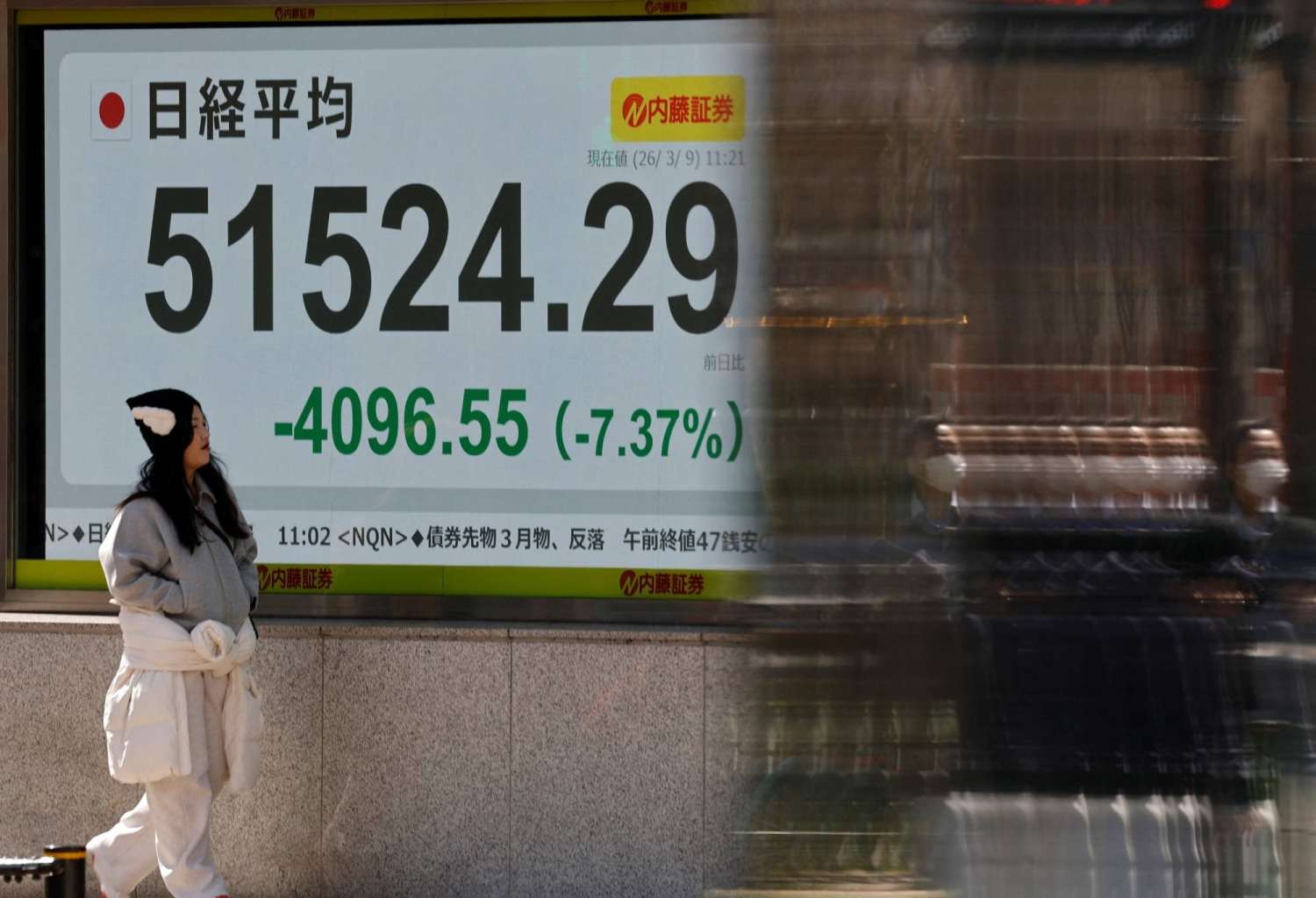
sharecastnews.rthkbiz.chosunAsian equity markets fell broadly on Tuesday as the expiry of a 60-day US-Iran ceasefire and surging global bond yields crushed risk appetite, sending Japan's Nikkei 225 to its worst session in weeks and triggering a dramatic intraday reversal in Seoul.
The Nikkei 225 dropped 2.5%, snapping a five-day winning streak that had lifted the index 5.5% to its highest level since early July. The selloff accelerated through the session after the benchmark opened 372 points lower and extended losses to as much as 858 points before lunch.news.rthk+1
The rout was driven by a toxic combination of rising oil prices — with Brent crude holding above $91 a barrel — and spiking bond yields across major economies. Japanese 10-year government bond yields hit a 30-year high of 2.945%, fueling speculation that the Bank of Japan will tighten monetary policy more aggressively. US 30-year Treasury yields climbed to their highest in nearly two decades, while the 10-year yield rose to 4.728%.sharecast+1
"Asia has walked into one of those sessions where the market feels like it is carrying a lit cigarette through a petrol station," said market commentator Stephen Innes.sharecast
In South Korea, the Kospi staged one of the session's most dramatic reversals. The index opened more than 2% higher at 7,127, buoyed by semiconductor tailwinds after Anthropic reported surging second-quarter revenue. But institutional selling and profit-taking rapidly erased those gains, pushing the index below the 7,000 level by midday. The Kospi ultimately closed 1.6% lower.biz.chosun+1
Foreigners were net buyers of roughly 930 billion won, but institutions and individuals sold approximately 520 billion and 320 billion won respectively, with brokerages leading the institutional selloff at 611.7 billion won in net sales. Samsung Electronics fell 1.28%, while SK hynix bucked the trend with a 2% gain.biz.chosun
The broader risk-off mood stemmed from the expiry of the US-Iran truce, with Tehran declaring a shift to a "fully offensive" military posture. ING analysts noted that unlike previous yield spikes, there were "no soothing words from the Trump administration" about an imminent resolution.news.rthk
Hong Kong's Hang Seng managed to eke out a 0.1% gain by the close after sliding as much as 0.78% in early trading. The Shanghai Composite rose 0.2%, while Singapore's Straits Times Index fell 1.3%. Tech and electronic-component stocks were the session's worst performers across the region, with Tencent and SMIC Semiconductor Manufacturing International Corporation among the notable decliners.sharecast+1
Westpac analysts wrote that "markets adopted a generally risk-off tone as President Trump reaffirmed he was not interested in extending the truce with Iran, with renewed tensions in the Middle East pushing oil prices higher and complicating sentiment".news.rthk