Newsletter Subscribe
Enter your email address below and subscribe to our newsletter
[forminator_form id="25163"]

All voices matter
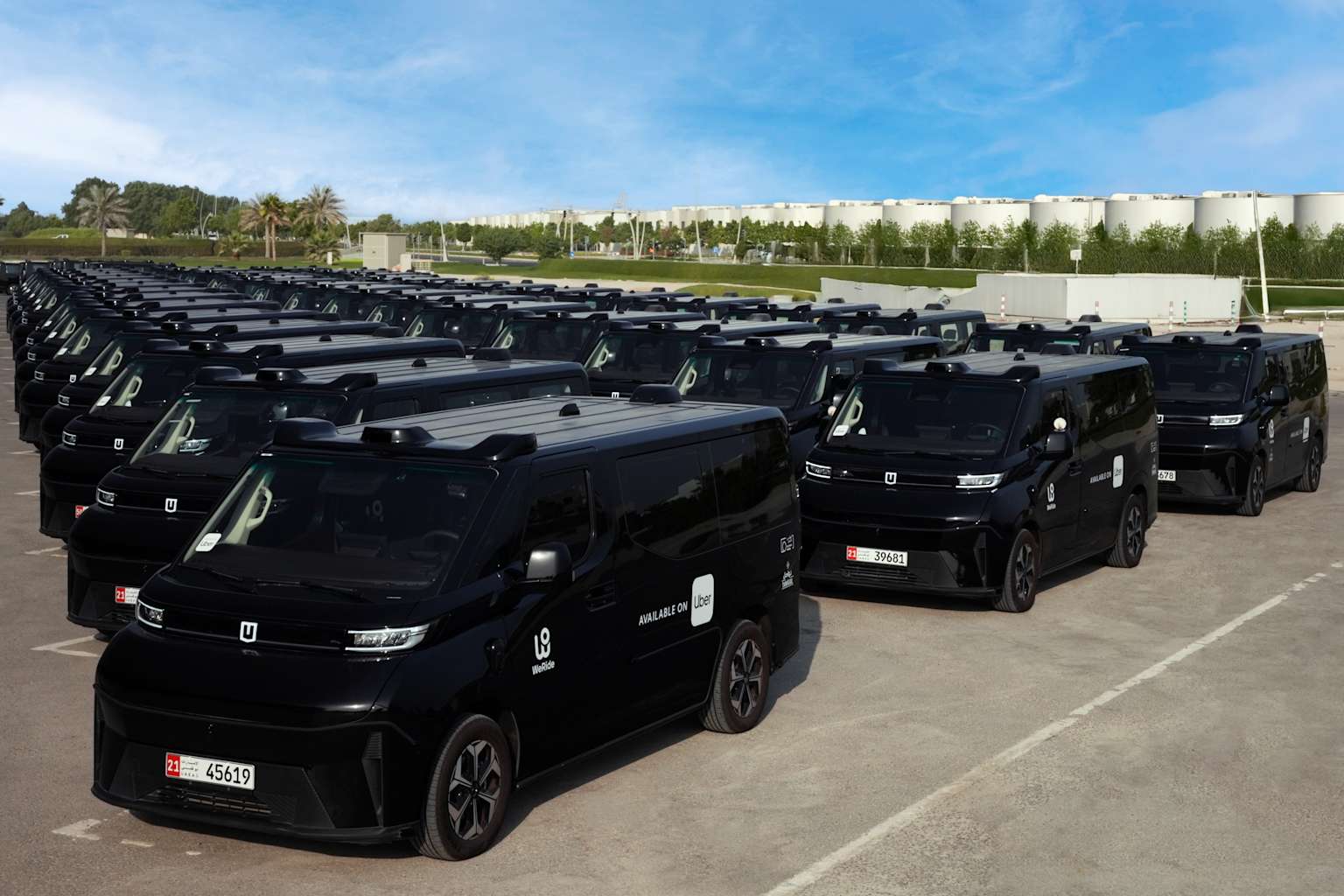
techcrunchtechcrunchtechcrunchUber has assembled a sprawling network of more than 30 autonomous vehicle partnerships over the past two years, positioning itself as the dominant platform layer in the emerging robotaxi economy. A comprehensive tracker published by TechCrunch on August 1 catalogues every deal the company has struck — spanning robotaxi developers, automakers, fleet operators, and sidewalk delivery robot startups across multiple continents.techcrunch
The ride-hailing giant's strategy rests on a simple premise: rather than build its own self-driving technology again, Uber will supply the marketplace, operational infrastructure, and rider demand that AV companies need to scale.
The financial commitments are substantial. Uber's deal with Rivian , announced in March 2026, could be worth up to $1.25 billion through 2031 and calls for deploying 10,000 fully autonomous R2 robotaxis in San Francisco and Miami starting in 2028, with expansion to 25 cities by 2031. Uber has committed roughly $500 million to self-driving startup Nuro, including participation in its Series E round and milestone-based future investments. The company also owns more than 11% of Lucid Motors after investing $500 million and ordering at least 35,000 vehicles to be equipped with Nuro's driving system.motor1+2
In January 2026, Waabi raised $1 billion with about $250 million in milestone-based capital from Uber for robotaxi deployment. Uber invested in Wayve's $1.2 billion round in February 2026, with an additional $300 million contingent on deploying robotaxis in London. According to the Financial Times, as cited by CNBC, Uber has earmarked $7.5 billion for robotaxi fleet development and $2.5 billion for equity investments in AV developers.techcrunch+1
Central to the strategy is Uber Autonomous Solutions, a division launched in February 2026 that bundles training data, enriched mapping, fleet financing, regulatory services, and remote assistance into a package for AV partners. The unit effectively positions Uber as the operational backbone that self-driving companies plug into rather than build themselves.investor.uber+1
Partners now range from Alphabet's Waymo and Amazon's Amazon.com, Inc. Zoox to Chinese companies WeRide and Pony.ai, European startups like Wayve, and automakers including Volkswagen, Stellantis , Mercedes-Benz, Nissan, and Rivian. Nvidia underpins much of the compute layer, with plans to launch a global fleet running entirely on Nvidia's Drive Hyperion platform across 28 cities by 2028.techcrunch
Not every partnership has endured. Waymo is working to exit its contract with Uber, which runs through May 2028, and the two companies ended their Phoenix collaboration in July. The split reflects a deeper tension: Uber and Waymo now find themselves on opposing sides of a regulatory battle in Washington, D.C., where Uber has aligned with labor unions to push for mandatory hybrid networks that preserve a role for human drivers — a structure that would constrain Waymo's fully autonomous model.cnbc+1
"One AV in California now performs the work of roughly four drivers," Uber's director of AV and AI policy Harry Hatfield testified at a mid-July D.C. Council hearing, arguing that workforce protections should accompany deployment.cnbc
The regulatory skirmish underscores the stakes of Uber's empire-building: owning the platform means little if competitors can bypass it entirely.