Newsletter Subscribe
Enter your email address below and subscribe to our newsletter
[forminator_form id="25163"]

All voices matter
cnbc+1cambridgecurrencies+1news.futunnCentral banks across the Group of Seven are heading into one of the most consequential weeks for global monetary policy in 2026, with three major rate decisions in as many days against a backdrop of surging oil prices and persistent inflation driven by the Middle East conflict.
The Federal Reserve will announce its decision on Wednesday, September 16, followed by the Bank of England on Thursday, September 17, and the Bank of Japan on September 18. The European Central Bank has already acted, raising its key deposit rate by 25 basis points to 2.5% on September 10 — its second hike this year.morningstar+3
The trigger for the synchronized policy pressure is crude oil. Brent crude breached $100 per barrel last week after attacks on tankers in the Middle East marked the largest wave of strikes on shipping since the U.S.-Iran conflict began, according to Reuters. The surge — more than 45% since the collapse of the U.S.-Iran ceasefire in early July — has sent European natural gas prices nearly doubling since June.news.futunn+1
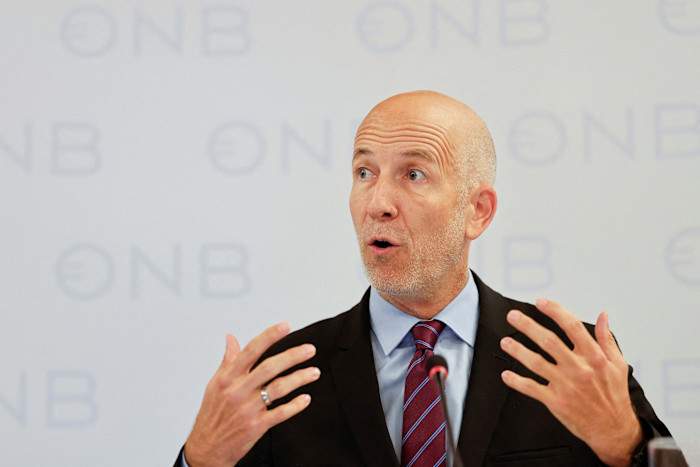
Austrian Central Bank Governor Martin Kocher warned in an interview following the ECB's rate decision that if oil prices remain near $100 through year-end, the ECB will be forced to raise rates further. Under the ECB's most adverse scenario, with average crude at $99 per barrel in the fourth quarter, inflation would climb to 3.2% next year, keeping the bank's 2% target out of reach for a second consecutive year. Bundesbank President Joachim Nagel echoed Kocher's concerns, telling CNBC that "it's very much dependent on how the energy prices evolve". Markets are pricing in another 25-basis-point ECB hike to 2.75% by year-end.cnbc+1
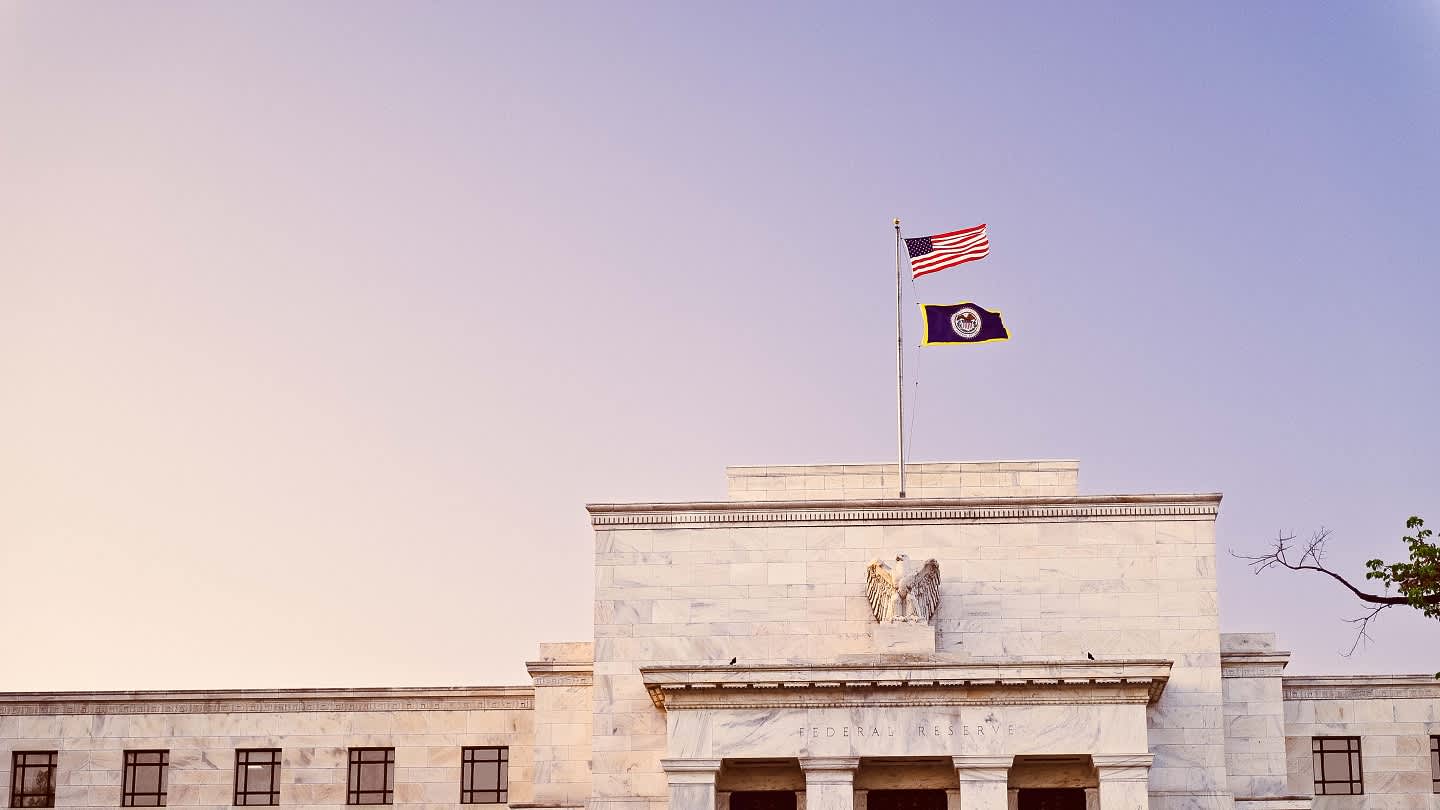
The Fed faces perhaps the most fraught choice. The current federal funds rate sits at 3.50%–3.75%, held since December 2025, but markets have shifted toward pricing in a hike after U.S. consumer-price inflation held at 3.4% and Chair Kevin Warsh struck a hawkish tone at Jackson Hole. The July meeting produced a divided 9–3 vote to hold.cambridgecurrencies+1
The Bank of England is widely expected to stand pat at 3.75%. All 65 economists in a Reuters poll forecast no change, though a minority of eight expect rates to eventually rise to 4.00%.reuters
The Bank of Japan appears most certain to act. A Reuters poll showed the BOJ is expected to raise rates by 25 basis points to 1.25% on September 18, with prediction markets assigning a 97% probability to the move. Strong wage growth and persistent yen weakness have reinforced the case for tightening.reuters+1
The convergence of rate-hike pressures across the G7 marks a sharp reversal from early 2026, when most central banks were either cutting or holding rates steady. Kocher acknowledged that the oil shock is beyond central bank control but insisted "the period of high inflation must be brief" and that inflation needs to return to target "within about a year". How policymakers navigate the tension between energy-driven price pressures and already-slowing growth will define the monetary landscape for the rest of 2026 and into 2027.news.futunn