


Newsletter Subscribe
Enter your email address below and subscribe to our newsletter
[forminator_form id="25163"]

All voices matter
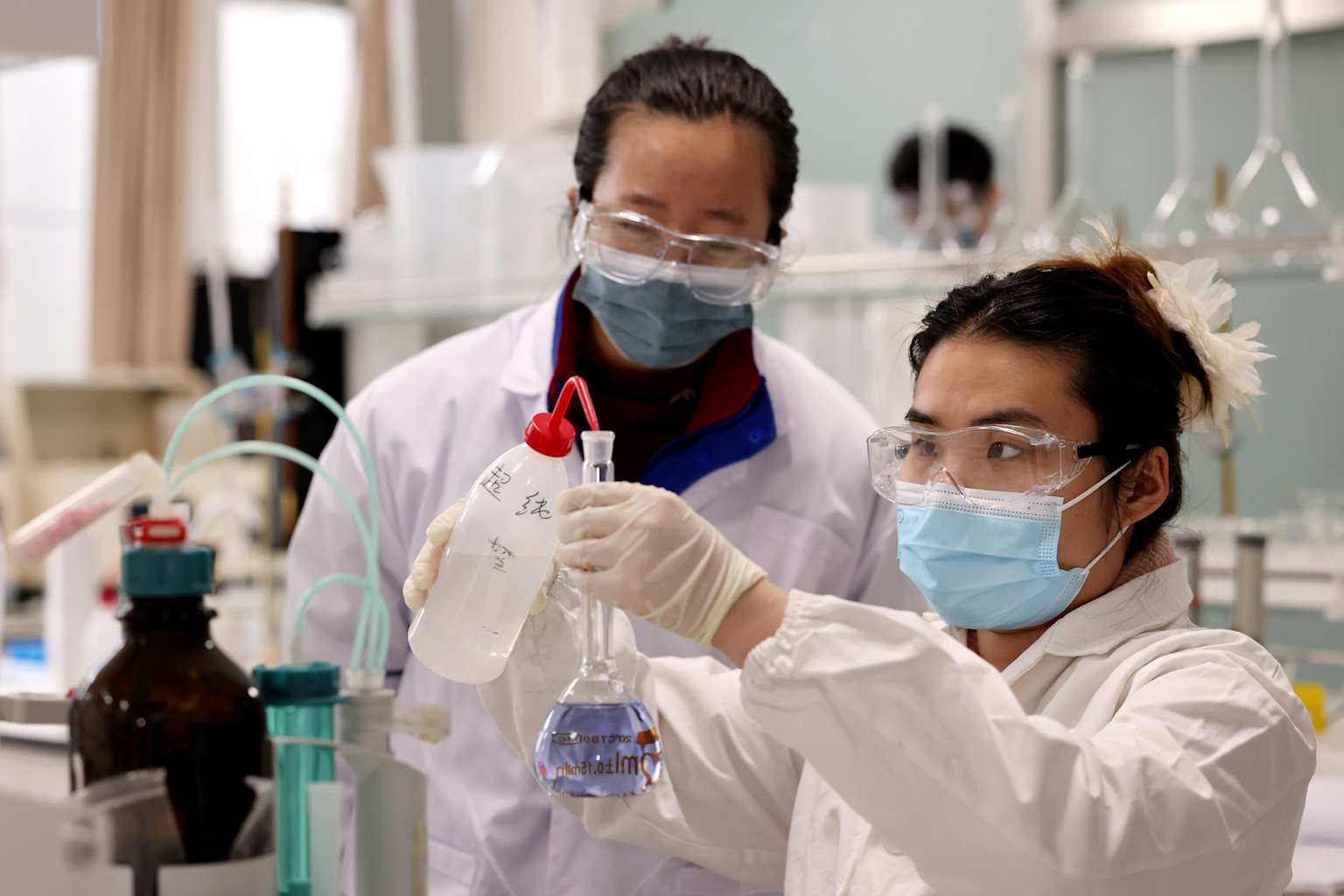
indexbox+1fiercebiotechlw+1Chinese biotech firms powered by artificial intelligence have struck out-licensing deals worth $75 billion in the first five months of 2026, a figure that stood at zero before 2020, underscoring how rapidly China has emerged as a global hub for AI-driven drug development even as Washington tightens its grip on cross-border technology flows.
Across 169 agreements in the January-to-May period, Chinese biotechs notched a combined deal value of $93 billion — an 87 percent jump from the same stretch a year earlier, according to HSBC head of China healthcare research Linda Shu. The surge reflects multinational drugmakers' growing appetite for AI-designed therapeutic candidates as patents on blockbuster drugs near expiration. Average upfront payments in deals between Western pharma and Chinese counterparts have climbed 230 percent over four years, from $52 million in 2022 to $172 million in early 2026, according to data from Evaluate cited by Fierce Biotech.indexbox+2
The latest example came on June 30, when Hong Kong-listed METiS TechBio granted Deerfield Management-backed Boulevard Bio exclusive global rights to develop and commercialize MTS-128, a trispecific T-cell engager designed entirely through METiS' AI-powered NanoForge platform. The deal includes a $20 million upfront payment and up to $1.6 billion in milestone payments plus tiered royalties, making it the largest disclosed preclinical trispecific TCE out-licensing agreement by a Chinese pharmaceutical company, according to Reuters.fiercebiotech+3
The deal wave is colliding with an expanding U.S. regulatory framework aimed at curbing Chinese influence in biotechnology. President Donald Trump signed the Biosecure Act into law on December 18, 2025, as part of the fiscal year 2026 National Defense Authorization Act. The legislation bars federal agencies from procuring biotechnology equipment or services from designated "biotechnology companies of concern" and extends those restrictions to entities receiving federal grants and loans. The Office of Management and Budget must publish an initial list of designated companies by December 2026.lw+3
Separately, Beijing issued its own outbound investment regulations on June 1, requiring prior authorization for exports of restricted technology and data — including indirect transfers such as cross-border training programs — with the rules taking effect July 1.youtube
Despite regulatory headwinds on both sides, Chinese biotechs now account for roughly half of all global out-licensing deals, up from a fraction just a few years ago, while U.S. companies have dropped to about 28 percent, according to a January report from SynBioBeta cited by Fierce Biotech. At the BIO International Convention in late June, the tension was palpable: nearly 100 agreements between Chinese and U.S. biotech firms have been publicly announced since the start of 2025, according to BioPharma Dive.fiercebiotech+1
The question facing the industry is whether Washington's evolving restrictions will slow the pipeline or simply redirect it — and whether multinational pharma can afford to walk away from the candidates Chinese AI platforms are producing.


