Newsletter Subscribe
Enter your email address below and subscribe to our newsletter
[forminator_form id="25163"]

All voices matter
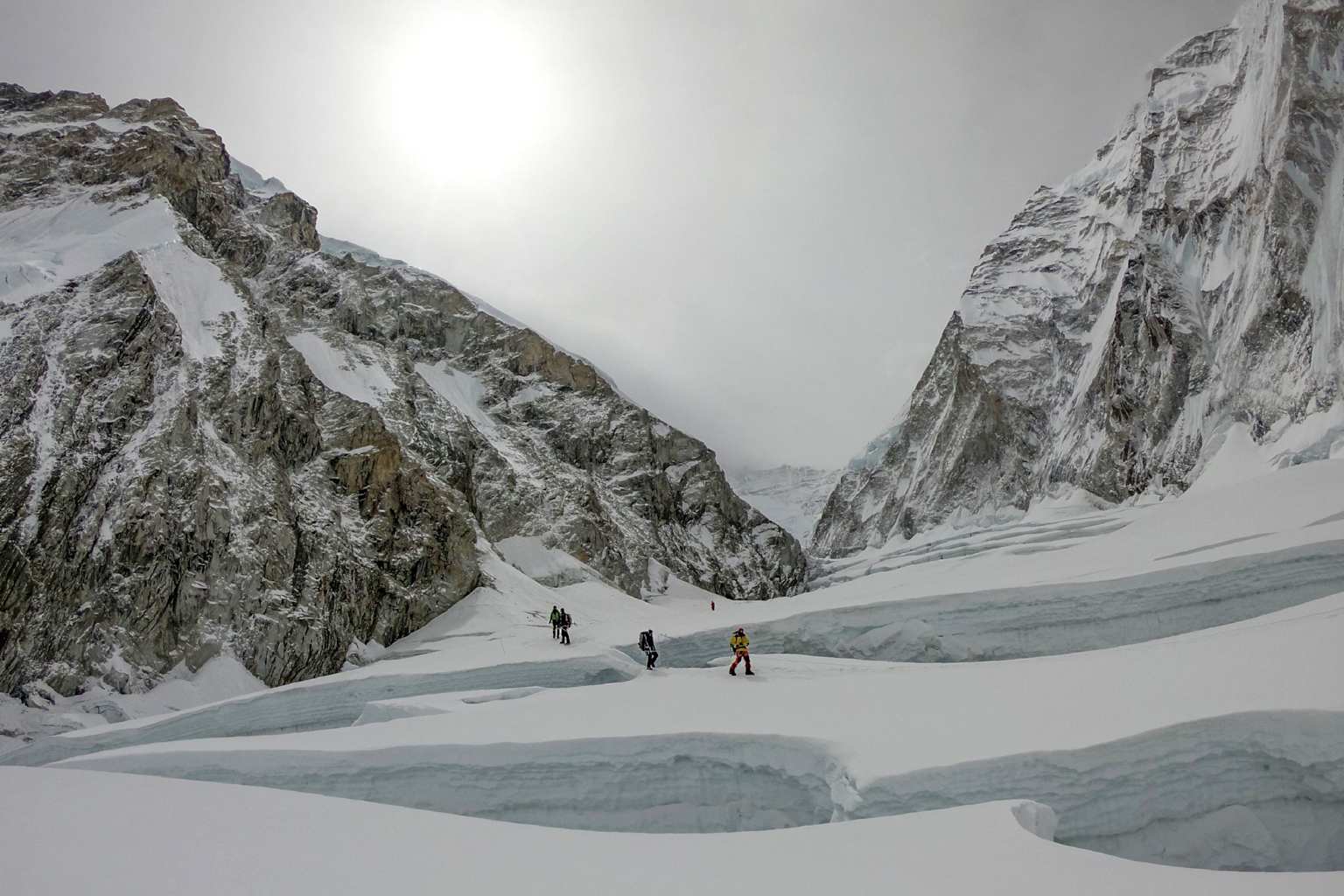
reuters+1india.mongabayindia.mongabayThe Himalayas are nearing a tipping point as glaciers melt faster than they did a decade ago, threatening water security for hundreds of millions of people as the region approaches "peak water" by mid-century, according to a study released this month by a consortium of research organizations.japantimes+1
The report, produced by Systemiq alongside the International Centre for Integrated Mountain Development (ICIMOD), the Integrated Mountain Initiative, and India's G.B. Pant National Institute of Himalayan Environment, found that only 21 of an estimated 40,000 glaciers across the Hindu Kush-Himalaya region are currently monitored on the ground. Close to 200 glacial lakes in India have been identified as high risk, with 56 classified as "very high risk," leaving millions exposed downstream.reuters+1
The findings arrive less than three weeks after one of those risks materialized with catastrophic force.
On August 26, a bedrock slope beneath a hanging glacier collapsed at roughly 5,200 metres on the north face of the Langtang Himal, sending an estimated 142 million cubic metres of ice and rock cascading into the valleys below. The resulting debris flow swept down the Bhote Koshi river, destroying roads, bridges and entire villages across Nepal and China's Tibet region. As of September 12, at least 1,386 people had died and more than 5,130 remained missing in Nepal alone, with an additional 43 deaths reported in Tibet.india.mongabay+2
A comprehensive 2026 glacier assessment based on 30 years of Landsat data shows the Hindu Kush-Himalaya region has lost 12% of its glacier area since 1990, with the rate of loss 50% higher in the last decade than in the 1990s. The region is warming at roughly twice the global average, at 0.3°C per decade.india.mongabay
"In the 2000s, we expected a glacial-origin flood in the HKH roughly once every 5 to 10 years. In 2025 alone, three such events hit the region, and now this in 2026," said Sravan Shrestha, a remote sensing specialist with ICIMOD.india.mongabay
Nepal's direct damage from the August 26 disaster is estimated at $2.6 billion, with reconstruction costs projected at $4-5 billion or more. The country, which contributes roughly 0.027% of global greenhouse gas emissions, has appealed to the Fund for Responding to Loss and Damage (FRLD) for rapid support.india.mongabay
Nepal is set to receive $20 million from the FRLD under proposals submitted earlier this year, but the fund faces a wider crisis of capacity. As of July, 119 countries had submitted 176 funding requests totaling approximately $2.8 billion, while the fund holds roughly $350 million. The board pushed approval decisions to its next meeting, scheduled for December in Manila.kathmandupost+2
"The resources currently available are orders of magnitude below the scale of actual loss and damage needs," said Vera Künzel, Senior Advisor at Germanwatch.india.mongabay
The August disaster also exposed critical gaps in early warning infrastructure. The flood did not originate from any of the 47 glacial lakes Nepal monitors, but from a bedrock slope no regional inventory tracks. Automated river gauges at Bhote Koshi were swept away before any warning could be issued, and the flood reached downstream communities within roughly ten minutes of crossing into Nepal.india.mongabay
As the region nears "peak water" — the point when meltwater-fed river flows stop rising and begin to decline — the implications extend far beyond disaster risk. The Himalayas underpin more than 20% of India's GDP and support water supplies for hundreds of millions across eight countries.japantimes+1