Newsletter Subscribe
Enter your email address below and subscribe to our newsletter
[forminator_form id="25163"]

All voices matter
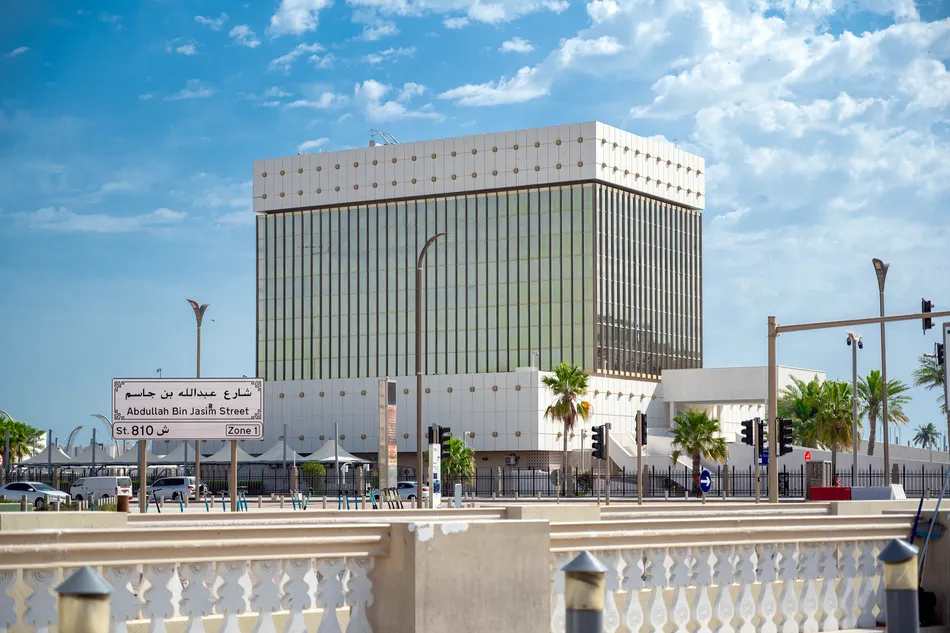
bloomberg+1euronewsreutersQatar is selling its first public international bond since November 2025, as the Gulf state seeks to plug a widening budget gap caused by the near-total shutdown of its liquefied natural gas exports during the U.S.-Iran war.
The government is offering dollar-denominated debt in five- and 10-year tranches, with initial spread guidance of around 85 basis points over U.S. Treasuries for the shorter tranche and 95 basis points for the 10-year bond, according to Bloomberg. The spreads represent a sharp increase from Qatar's last public sale in November 2025, when it sold $4 billion in bonds and sukuk at spreads as tight as 15 to 20 basis points over Treasuries.bloomberg+1
The bond sale comes as Qatar's fiscal position has deteriorated at a pace few anticipated when the Strait of Hormuz was effectively closed to commercial shipping earlier this year. Qatar's budget deficit more than doubled to 21.2 billion riyals ($5.8 billion) in the second quarter of 2026, up from 10.3 billion riyals in the first quarter, according to the Ministry of Finance. The combined first-half deficit of 31.5 billion riyals has already exceeded the 21.8 billion riyals originally forecast for the entire year.mof+2
Qatar, one of the world's largest LNG exporters, saw production curtailed beginning in March after shipping customers declared force majeure due to their inability to transit the Hormuz strait. QatarEnergy CEO Saad al-Kaabi said on Sunday at the Qatar Economic Forum in New York that the country is "producing very little LNG" and that attacks on the Ras Laffan export hub damaged two LNG trains, with repairs expected to take three years.eprinc+1
Despite the fiscal strain, Qatar retains strong credit ratings. Fitch affirmed its AA rating in early September while removing the country from a negative watch list it had been placed on in March, though it maintained a negative outlook citing ongoing risks to gas exports. S&P Global affirmed its AA rating in March, and Moody's has kept its outlook stable.spglobal+2
Qatar is not alone in turning to debt markets. Abu Dhabi, Qatar, and Kuwait have collectively issued $7 billion in private bond placements since the war began, and Gulf states are expected to borrow further to finance infrastructure bypassing the Hormuz chokepoint. The broader economic toll has been severe: crude oil has traded above $100 per barrel since March, and the closure has disrupted an estimated 39 percent of global trade as of September.bloomberg+2