Newsletter Subscribe
Enter your email address below and subscribe to our newsletter
[forminator_form id="25163"]

All voices matter
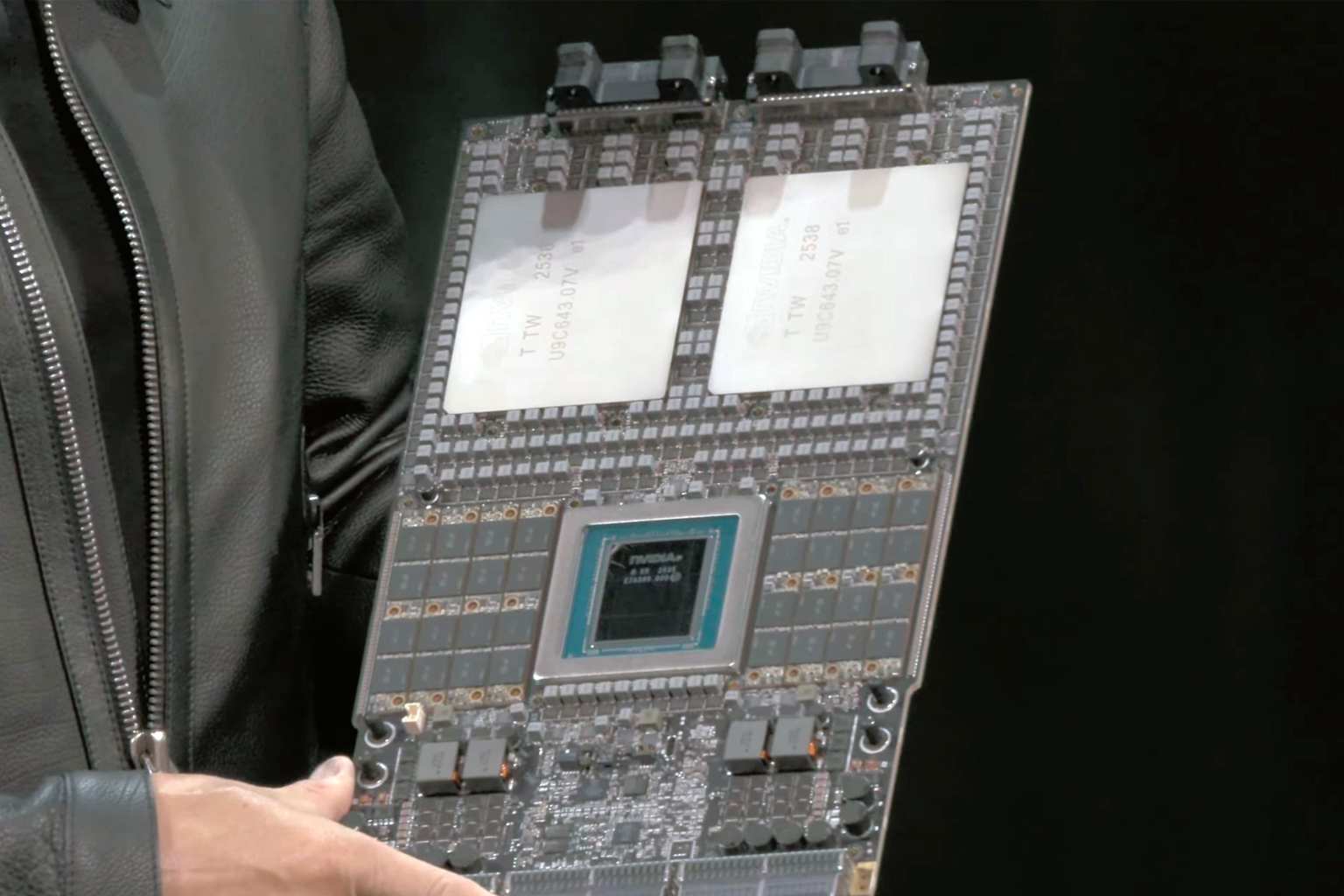
odailyx+1odaily+1Nvidia has further reduced the memory specifications of its flagship Rubin Ultra AI accelerator chip, according to a report from semiconductor research firm SemiAnalysis that circulated over the weekend. The changes reflect the company's effort to manage surging costs of high-bandwidth memory while shifting the chip's value proposition toward large-scale GPU interconnection.
The SemiAnalysis report, which has not been officially confirmed by Nvidia, reveals that Rubin Ultra will maintain the same 35 petaflops of theoretical peak compute as the standard Rubin chip but will carry just 192GB of memory using 8-high HBM stacking — less than the 288GB offered by the standard Rubin with 12-high stacking. Memory bandwidth improves by only 1 TB/s, while power consumption rises slightly to a maximum of 2,600 watts.odaily
The core trade-off is economic. According to SemiAnalysis's calculations, HBM's share of total bill-of-materials cost drops from nearly 40% to 28%, while the per-rack cost falls from roughly $8 million to $6.4 million. Nvidia is redirecting resources toward interconnect capabilities, with the NVL576 architecture allowing up to 576 GPUs to operate as a single logical compute domain — eight times the 72-GPU scale of the standard configuration.developer.nvidia+1
This marks the second major revision to Rubin Ultra since its announcement at GTC 2026 in March. In late June, SemiAnalysis disclosed that Nvidia had scrapped the original 4-die design in favor of a smaller 2-die configuration due to manufacturing concerns.linkedin+1
The report triggered a sell-off in Korean memory stocks on Monday morning. SK Hynix and Samsung Electronics both fell approximately 8%, while the Kospi dropped roughly 5%. The declines add to a turbulent stretch for memory makers, which have faced repeated waves of selling this summer amid broader questions about HBM pricing sustainability.valueaddvc+2
HBM prices have risen sharply over the past year, with individual HBM3 modules climbing from $180–$220 at their mid-2025 low to $700–$850 at recent spot prices. That escalation has made memory the single largest cost component in AI accelerator systems, prompting Nvidia to reconsider how much capacity to integrate per chip.odaily
The spec adjustments suggest that even Nvidia — the dominant buyer of HBM for AI infrastructure — is reaching the limits of what it will pay for memory capacity. If confirmed, the shift could constrain the pricing power that memory vendors have enjoyed throughout the AI boom, potentially marking an inflection point in the HBM market's trajectory.
Nvidia has not publicly commented on the SemiAnalysis findings. Rubin Ultra remains on track for a second-half 2027 launch.gurufocus+1