Newsletter Subscribe
Enter your email address below and subscribe to our newsletter
[forminator_form id="25163"]

All voices matter
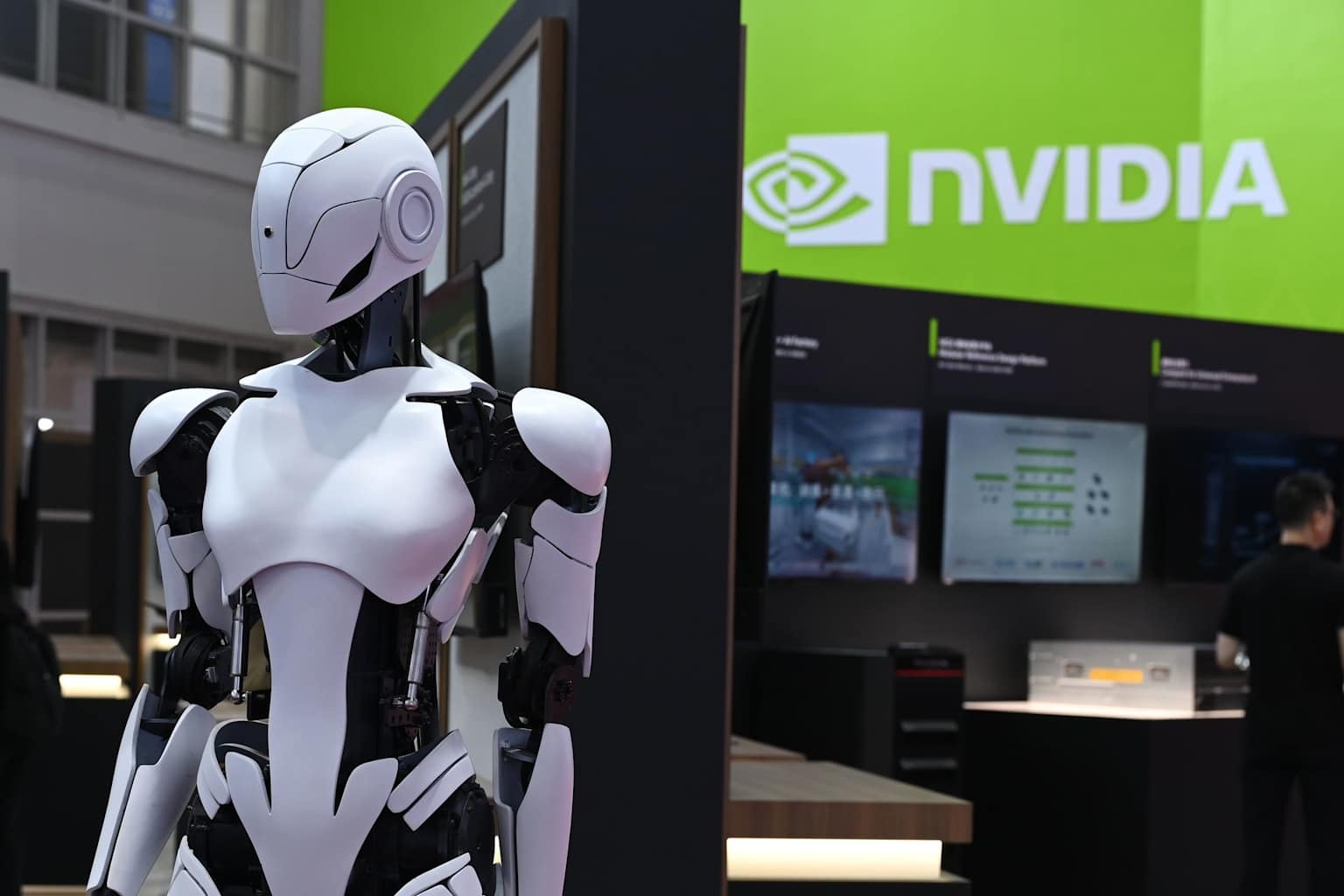
blogs.nvidiatrucknewsblogs.nvidiaNvidia has expanded its Halos safety platform with a broad push to embed safety checks across every layer of physical AI, from autonomous vehicles to humanoid robots, as the company and its partners prepare for a wave of machine deployments expected over the next decade.
Halos, which Nvidia describes as the first full-stack safety system for physical AI, is designed to provide continuous safety assurance across hardware, software, AI behavior, and operating environments throughout a system's entire lifecycle. Rather than relying on one-time pre-deployment checks, the platform links cloud-based AI development and simulation with in-vehicle and on-robot deployment so that safety evidence remains traceable as systems receive software updates and encounter new conditions.blogs.nvidia
The system spans dedicated platforms for autonomous vehicles and robotics. For AVs, it includes the NVIDIA DRIVE AGX Thor compute module, the Hyperion reference architecture for Level 4 vehicles, and Halos OS built on ASIL-D certified DriveOS. For robotics, it centers on the NVIDIA IGX Thor industrial module with a dedicated Functional Safety Island, along with Halos Core software and the Holoscan Sensor Bridge for real-time sensor processing.blogs.nvidia
In a strategic collaboration announced on September 21, autonomous trucking company Einride said it will build the next generation of its Einride Driver system on the Nvidia Hyperion platform, integrating Halos safety into its autonomous driving stack. "We have the customers, the operational experience and the technology. Building the next generation of the Einride Driver on the Nvidia Hyperion platform will enable us to scale autonomous deployment across a freight network that's already serving customers today," said Henrik Green, Einride's chief technology officer.markets.businessinsider+1
Beyond trucking, the Halos ecosystem now includes automakers Geely, Isuzu, and Nissan, mobility providers Uber, Grab, and Lyft for robotaxi development, and robotics firms such as Agility Robotics and KION Group. Semiconductor partners Infineon, NXP , STMicroelectronics , and Texas Instruments are contributing safety-critical components.blogs.nvidia
Independent validation underpins the platform. TÜV SÜD has certified Nvidia's DriveOS 6.0 to ISO 26262 ASIL D, the highest automotive safety integrity level, and TÜV Rheinland has performed an independent safety assessment of NVIDIA DRIVE AV. The NVIDIA Halos AI Systems Inspection Lab has been accredited by ANAB as an ISO/IEC 17020 inspection body, allowing it to inspect Halos integrations and prepare companies for third-party certification.quantumzeitgeist+1
With ABI Research projecting 49 million Level 3-5 autonomous vehicles on roads by 2035 and Omdia estimating 60 million industrial robots deployed over the same period, Nvidia is betting that scalable safety infrastructure will be the bottleneck that determines which physical AI systems reach commercial deployment.blogs.nvidia