


Newsletter Subscribe
Enter your email address below and subscribe to our newsletter
[forminator_form id="25163"]

All voices matter
finance.biggofinance.yahoobanking.senate+1The United States and Japan have forged what analysts are calling an informal "currency alliance" following their first coordinated foreign exchange intervention since 1998, marking a shift in how the world's two largest advanced economies manage exchange-rate pressures.
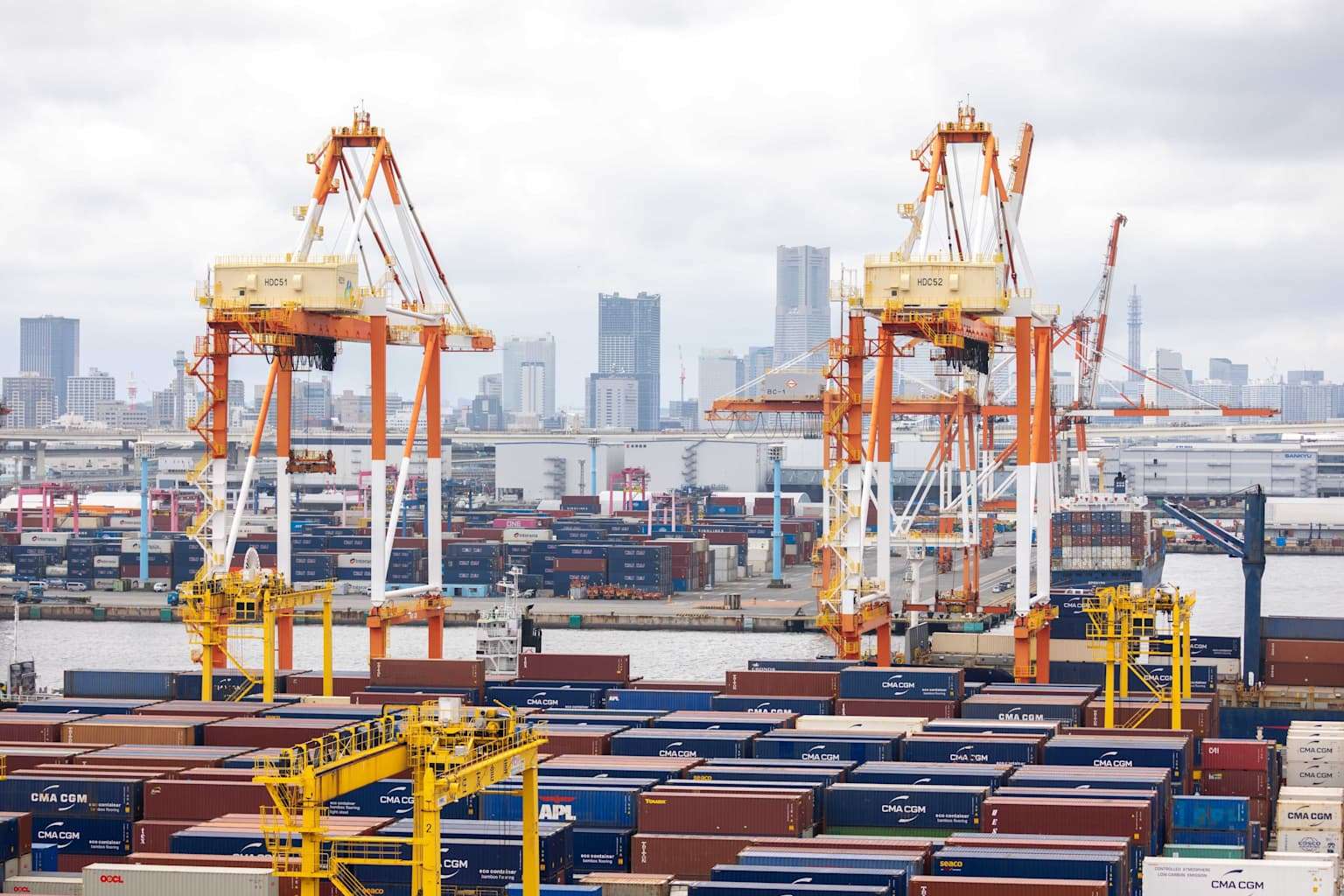
The framework crystallized in late July when Japan spent approximately ¥8.45 trillion in yen-buying intervention, with the U.S. Treasury joining through its Exchange Stabilization Fund. Treasury Secretary Scott Bessent confirmed the joint action on August 3, stating the intervention "countered disorderly yen movements" and that the U.S. "will not hesitate to participate in further joint intervention". Japan's Finance Minister Satsuki Katayama said the action addressed "excessive volatility and disorderly movements" after the yen had fallen to a 40-year low near 163.73 per dollar.cnbc+3
Citi Citigroup Inc. strategists described the arrangement as an informal "currency alliance" linking foreign-exchange policy with the countries' wider economic and national-security relationship. Japan's Vice Finance Minister for International Affairs Atsushi Mimura called the intervention the "culmination" of that alliance. Citi noted the arrangement should not be viewed as a monetary union but as policy coordination that may also support Japan's $550 billion U.S. investment program.reuters+1
The intervention reflected Bessent's personal conviction, drawn from his hedge fund career during the 1997 Asian financial crisis, that the yen's weakness posed systemic risks to broader Asian currencies. An unusual feature was the U.S. selling euros to buy yen — a move Citi interpreted as the Treasury shifting from an expensive euro into an undervalued yen.fortune+2
However, Nomura strategists warned on August 22 that the so-called "Bessent put" — the market assumption that U.S. intervention will backstop the yen — risks failing, cautioning that a policy misstep triggering capital outflows could put Japan at risk of repeating the 1997 Asian financial crisis. Senator Elizabeth Warren separately pressed Bessent on the use of taxpayer funds, noting that "American taxpayers would ultimately bear" losses if the intervention fails.banking.senate+1
Bank of America revised its year-end forecast for the yen to ¥149 per dollar, a roughly 6% appreciation from current levels, supported by the prospect of further joint action and a potential Bank of Japan rate increase. Goldman Sachs The Goldman Sachs Group, Inc. called it the biggest currency market intervention in 15 years.japantimes+1
The alliance's durability will depend on whether fundamental forces — the interest-rate gap between the Federal Reserve and the Bank of Japan — continue to pull the yen lower, testing whether coordinated policy signals can substitute for convergence in monetary policy.


