Newsletter Subscribe
Enter your email address below and subscribe to our newsletter
[forminator_form id="25163"]

All voices matter
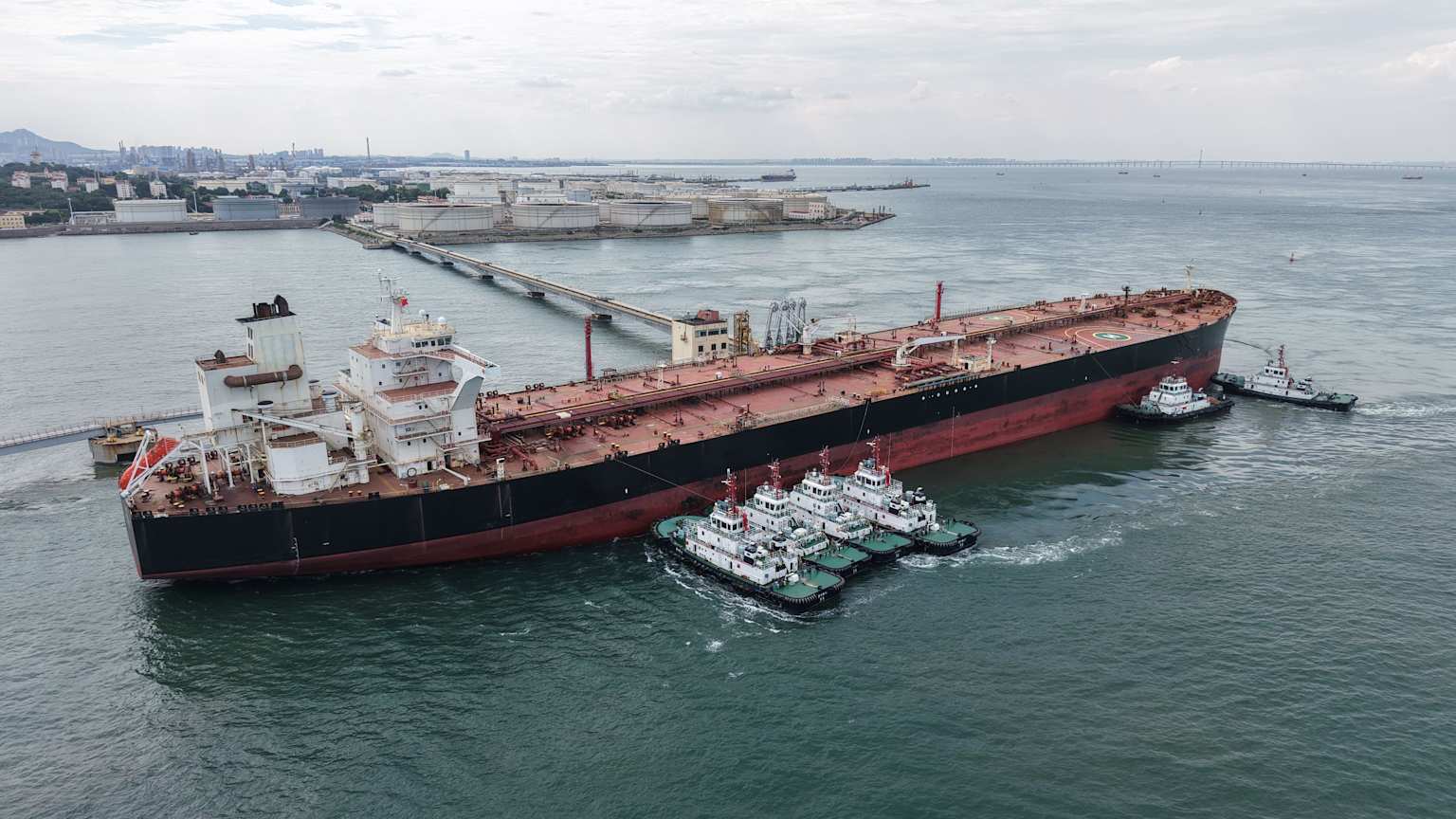
eia+1investing+1wsj+1China's dramatic pullback from global oil markets has emerged as one of the most consequential energy developments of 2026, with the world's largest crude importer slashing purchases by roughly 40% since February and helping drive prices down more than $30 per barrel from their wartime peaks earlier this year.
Data from China's General Administration of Customs shows crude oil imports averaged just 8.1 million barrels per day in the second quarter of 2026, a 32% decline from the previous quarter. In May, imports fell to 7.8 million barrels per day — the lowest since October 2017 — while June volumes dropped further to 7.12 million barrels per day, a near-decade low. This represents a steep fall from the roughly 12 million barrels per day China was importing in January and February.eia+6
The American Petroleum Institute noted that China's imports declined approximately 40% from February to May as the near-closure of the Strait of Hormuz choked off Middle East crude trade. Ship-tracking data showed seaborne crude arrivals into China averaging roughly 5 million barrels per day through late June, representing a nearly 60% decline from February levels.api
Brent crude reached highs above $126 per barrel earlier in 2026 during the peak of the U.S.-Iran conflict, according to 52-week trading data. Prices have since fallen sharply, with Brent recently trading in the $90-$95 range. The decline accelerated in late May when traders began pricing in a potential U.S.-Iran ceasefire, with prices falling 20% from 2026 peaks at one point.cnbc+3
A Marketplace report explained the mechanism: "Because China stopped buying those barrels, they were free to go elsewhere, which saved the world from this shock". The Wall Street Journal News Corp reported that China's import reduction played a crucial role in maintaining lower oil prices since the onset of the Iran conflict, contributing to controlling inflation and bolstering the global economy.wsj+1
Energy economist Anas Alhajji of Energy Outlook Advisors has noted that both Washington and Beijing now exert substantial influence over global oil markets, describing this as a strategic advantage for both nations amid the ongoing Hormuz crisis.tradersunion
Goldman Sachs expects Brent to remain in an $80-$90 per barrel range until there is either confirmation of a new U.S.-Iran agreement or an escalation in attacks. Both OPEC and the IEA recently slashed their 2026 oil demand forecasts due to the ongoing Strait of Hormuz disruptions. How China managed to cut imports by nearly half while still meeting its energy needs remains, as the Journal noted, something of "an enigma".rte+2