


Newsletter Subscribe
Enter your email address below and subscribe to our newsletter

All voices matter
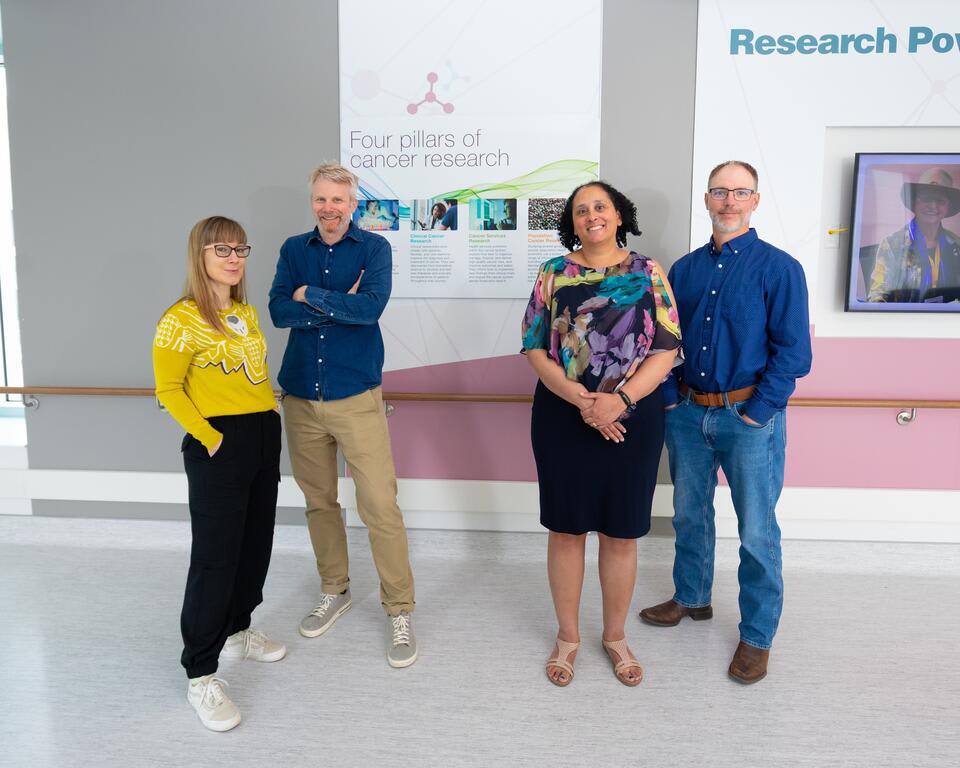
ucalgary+1ucalgaryclinicaltrialsResearchers at the University of Calgary's Charbonneau Cancer Institute and McMaster University have developed GCAR1, a first-in-class chimeric antigen receptor T-cell therapy designed to attack solid tumors — a category of cancer that has largely resisted the immunotherapy approach until now. The results, published in companion papers in Nature and Nature Cancer, describe early clinical success in patients with alveolar soft part sarcoma, a rare and treatment-resistant malignancy.trial.medpath+2
CAR-T therapy involves extracting a patient's own immune cells, genetically engineering them to recognize a specific target on cancer cells, and reinfusing them to seek out and destroy tumors. GCAR1 targets GPNMB, a cell-surface protein driven by an oncogenic gene fusion found in certain solid tumors. The therapy is intended for patients who have exhausted conventional options including chemotherapy, radiation, and surgery.ctv.veeva+1
"We developed a first-in-class CAR T cell therapy called GCAR1 that shows strong preclinical and early clinical promise in sarcoma, and other cancers," said Dr. Douglas Mahoney, director of the Riddell Centre for Cancer Immunotherapy at the University of Calgary's Cumming School of Medicine and principal investigator on the Nature Cancer study.ucalgary
Two Canadian patients with alveolar soft part sarcoma have received the therapy. The first, Stéphanie Alain, lived 18 months longer than her doctors expected. Drawing on data from her treatment, a second patient was given GCAR1 in combination with a companion immunotherapy and showed tumor shrinkage, including the disappearance of lung metastases.youtube+2
A broader Phase I/II clinical trial is now underway, expanding eligibility beyond alveolar soft part sarcoma to include renal cell carcinoma and triple-negative breast cancer — all tumors that express GPNMB. Collaborators at McMaster University have also validated the therapy in mouse models of a deadly brain cancer, according to the university.ucalgary+1
Solid tumors have long posed a barrier for CAR-T therapy, which has achieved notable success against blood cancers. The dense microenvironment of solid tumors and difficulty identifying unique surface targets have limited progress. The identification of GPNMB as a targetable marker across multiple tumor types could open treatment pathways for cancers that currently have few effective options.medrxiv+1


