Newsletter Subscribe
Enter your email address below and subscribe to our newsletter
[forminator_form id="25163"]

All voices matter
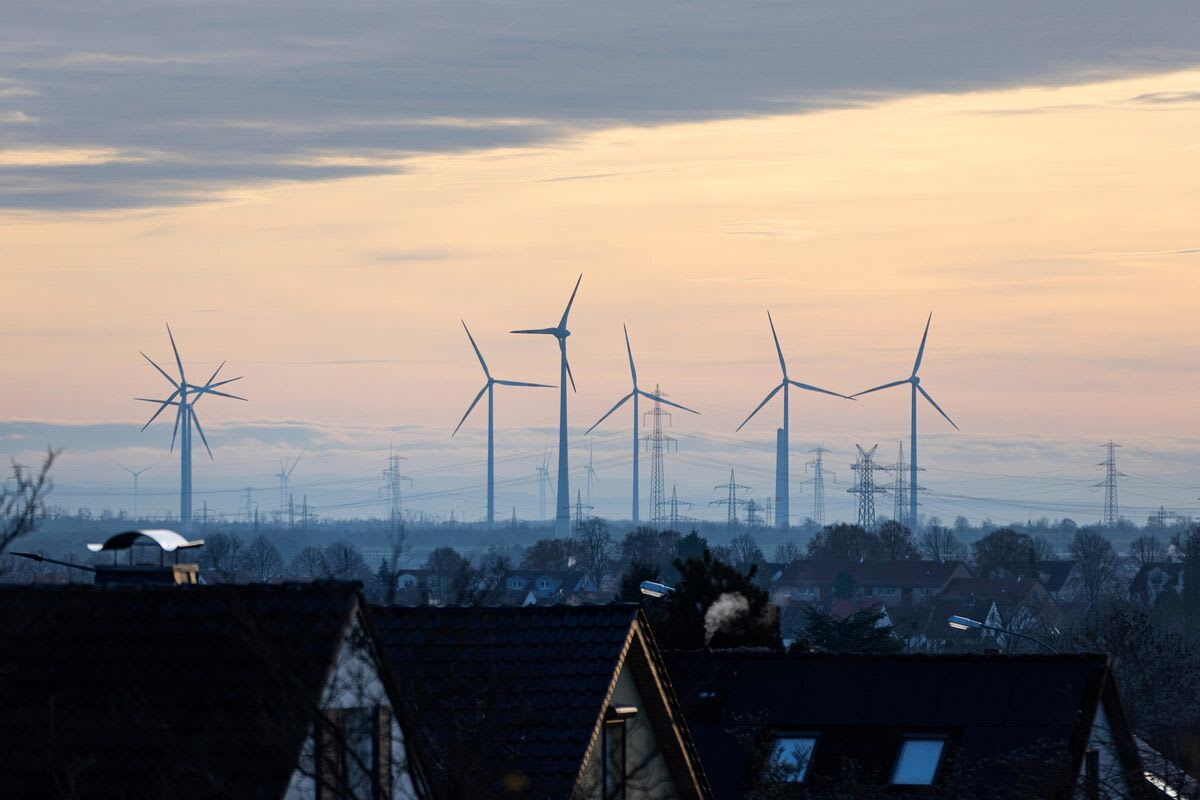
bloombergbloombergmiddleeasteye+1As Europe heads into the colder months, its electricity markets are sounding alarms not heard since the depths of the 2022 energy crisis. Wholesale power for January delivery in Germany is trading above €180 per megawatt-hour on the European Energy Exchange, up more than 60% from a year earlier, according to Bloomberg. The surge, driven by soaring natural gas prices and cascading supply disruptions from the Middle East conflict, has reignited fears of a broader inflationary spiral across the continent.bloomberg
The primary catalyst is natural gas, which has climbed to levels not seen since late 2022 as Europe struggles to replenish storage ahead of winter. The Dutch TTF benchmark was trading above €81 per megawatt-hour in mid-September, its highest in nearly three years. Intensifying competition for liquefied natural gas cargoes, combined with the near-closure of the Strait of Hormuz following the U.S.-Israel military campaign against Iran, has choked off supplies from Qatar that European buyers have relied on since pivoting away from Russian gas.cepr+2
The disruption extends beyond the strait. Saudi Arabia shut its East-West crude oil pipeline on September 11 after drone attacks blamed on Iranian-backed militias in Iraq, removing a key bypass route for oil that had been carrying roughly five million barrels per day, according to the Associated Press. On September 18, Saudi Arabia informed European refineries it would not deliver crude oil the following month, according to Middle East Eye. Yemen's Houthi rebels have further tightened control over the Bab el-Mandeb Strait, threatening Red Sea shipments.middleeasteye+1
The energy shock is already rippling through consumer prices. Eurostat's flash estimate for August placed eurozone annual inflation at 3.3%, up from 2.9% in July, with energy prices surging 14.3% year-on-year — the sharpest component increase. The European Central Bank responded on September 10 by raising its deposit rate by 25 basis points to 2.5%, its second hike in three months.europa+2
CNBC reported that the return of inflation above 3% is putting businesses in a bind between rising input costs and tighter monetary policy. The ECB's September projections estimate inflation will average 3.0% for 2026 before easing to 2.1% by 2028, though the bank acknowledged risks remain tilted to the upside.ecb.europa+2
Euro-area finance ministers meeting in Dublin on Friday discussed the mounting pressure on households and strained public finances behind closed doors, Bloomberg reported on September 18. The Eurogroup chief is weighing an extraordinary session to coordinate a response to the energy price surge amid global bond-market turmoil.bloomberg
The situation echoes the crisis playbook of 2022, when EU governments spent tens of billions capping consumer bills. But Europe's fiscal room is narrower now, and the underlying supply picture may be worse. The International Energy Agency has tracked weekly Strait of Hormuz transits at roughly 47 ships since March, down from 456 before the conflict began. A CEPR analysis published this week described the Hormuz disruption as "the largest physical supply disruption in the history of global energy markets".morningstar+1