Newsletter Subscribe
Enter your email address below and subscribe to our newsletter
[forminator_form id="25163"]

All voices matter
cnbc+1mezhamarineradar+1A barrel of oil is now worth vastly different amounts depending on where it sits. As the Middle East conflict deepens, a two-tier pricing structure has taken hold across global crude markets: oil trapped behind strategic chokepoints is selling at steep discounts, while freely deliverable grades command premiums not seen in years.
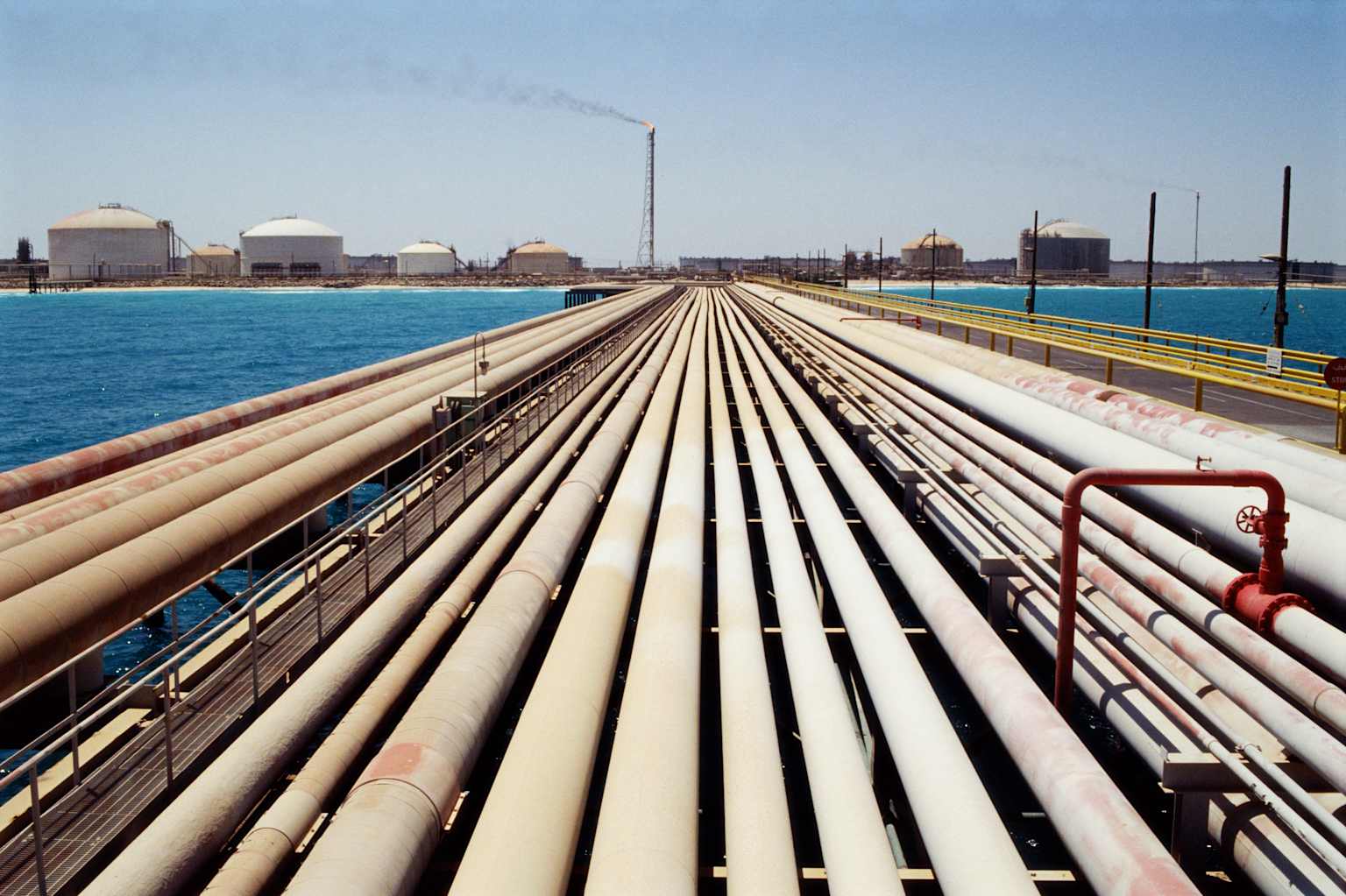
The divide widened sharply last week after Saudi Arabia shut its East-West pipeline — a 1,200-kilometer conduit with a capacity of 7 million barrels per day — following drone attacks launched from Iraqi territory. The pipeline had become a critical workaround for Saudi exports after the Strait of Hormuz was largely disrupted earlier this year. Its closure removed one of the last reliable alternatives for moving Persian Gulf crude to market.cnbc+2
Iraq's Basrah Medium crude for October loading is being offered at a discount of $43.06 a barrel to Murban, the Abu Dhabi benchmark for oil loaded at Fujairah — a port connected by pipeline that bypasses the Strait of Hormuz, according to pricing agency Argus. Qatar's Al-Shaheen, which can only reach buyers through the strait, trades at a $24.92-per-barrel discount to Murban.mezha+1
Some crude is still passing through the Strait of Hormuz, though volumes are estimated at roughly 10 million barrels per day — about half of pre-conflict levels. Once through, the oil commands a premium. Abu Dhabi National Oil Company's Upper Zakum crude, sold via ship-to-ship transfers, was assessed at $7 above the Dubai benchmark for October cargoes and $13.25 above for November.boereport+1
Freight rates have surged in tandem. Very Large Crude Carriers on the Gulf of Oman-to-China route hit a record Worldscale 450, equivalent to roughly $11.50 per barrel, according to shipping data.marineradar+1
Crude produced far from the conflict zone is reaping the benefits. The most expensive grade in the daily Argus assessment is Pyrenees, a medium-sweet oil from Australia's northwest coast, valued at $138.04 a barrel on September 11 — a $33.43 premium to Brent futures. Since the conflict began on February 28, Pyrenees has risen 96%, far outpacing Brent's 44% gain.mezha+1
Nigerian Bonny Light climbed above $115 per barrel, buoyed by its low-sulfur profile and distance from the disruption. Angola's Cabinda crude ended at $118.46, up 62% since the eve of the war.boereport+1
The International Energy Agency's September report projected world oil supply at 100.7 million barrels per day in 2026, down 5.7 million barrels per day year-on-year, with a full recovery from Middle East producers deferred until 2027. Brent futures touched a three-month high of $109.97 on September 11 before pulling back.iea+1
As Reuters columnist Clyde Russell noted, the market has effectively split into two worlds: one where barrels are priced by quality and demand, and another where the route to market has become the dominant cost. For Asian refiners in particular, every barrel now carries a geography tax — and the closer the source to the consumer, the higher the price.boereport