


Newsletter Subscribe
Enter your email address below and subscribe to our newsletter
[forminator_form id="25163"]

All voices matter
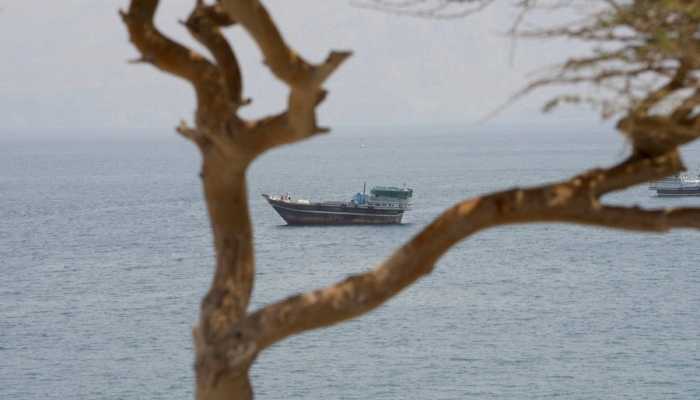
thenewsbloomberg+1marineinsightMiddle Eastern oil producers are moving large volumes of crude through the Strait of Hormuz under cover of darkness, transferring barrels to tankers waiting off the coast of Oman in a sprawling ship-to-ship operation that has become a lifeline for global energy markets during the Iran war.
Around 150 vessels — from supertankers to bulk commodity carriers — are now floating off Oman's coast, up from roughly 40 in January, according to European Union Sentinel 1 satellite data cited by Bloomberg. Many are waiting for cargo transfers from ships that sailed through Hormuz with their transponders switched off. The volumes moving through this covert network are running higher than market estimates of 4 million barrels per day, sources told Bloomberg, without specifying by how much.thenews
The shuttle trade has helped keep Brent crude trading between $80 and $90 a barrel through much of August — far below the $150 some analysts feared when the conflict broke out in late February. Before the war, about 20 million barrels a day crossed Hormuz. U.S. Energy Secretary Chris Wright said last week that 9 million barrels a day had crossed over the previous seven days, a figure that surprised many traders.thenews
The UAE, Iraq, Qatar, and Kuwait have all ferried barrels through Hormuz under these arrangements, according to vessel-tracking data compiled by Bloomberg, Kpler, and Vortexa. Abu Dhabi National Oil Co. said it has already sold about 135 million barrels of crude and issued another round of sales last week, despite 23 of its vessels being attacked during Hormuz transits since the conflict began, resulting in one fatality and 20 injuries.thenews
Saudi Arabia, which had relied on alternative Red Sea routes now threatened by Houthi militants, is showing signs of joining the shuttle trade. Saudi Aramco is offering cargoes on a ship-to-ship basis from locations near Sohar in the Gulf of Oman, Bloomberg reported on August 16. Two ships were seen loading at Saudi Arabia's Ras Tanura export hub last week, while 16 supertankers belonging to national tanker company Bahri are positioned off Oman's coast.bloomberg+1
Two of China's largest state-owned oil shipping companies — COSCO Shipping Energy Transportation and China Merchants Energy Shipping — have stopped sending tankers through both Hormuz and Bab al-Mandab entirely since late July, according to Vortexa data and Reuters. Together the two companies control more than 100 very large crude carriers. They are instead collecting crude via ship-to-ship transfers in the Gulf of Oman and near Fujairah, with such transfers involving Chinese and Hong Kong-owned vessels rising to more than 600,000 barrels per day in June and July, up from near zero in April and May.marineinsight
Chinese refiners are also snapping up Iraqi crude directly, with recent purchases of 8 million barrels of Basrah Heavy and Basrah Medium for prompt delivery. Iraq has boosted exports via the strait to 2 million barrels daily since the start of August.oilprice
The operation is not without cost. Eight attacks on vessels transiting Hormuz have been reported so far this month. A cargo ship was attacked while exiting the strait on August 17, leaving one crew member dead. Regional oil spills have increased, and a new one appeared in satellite images in the Gulf of Oman last week with no identifiable source.tradingnews+2
"It's a dark trade," said Pankaj Khanna, CEO of Heidmar Maritime Holdings Corp. "It's the only option right now as not all owners are willing to take the risk".thenews


