Newsletter Subscribe
Enter your email address below and subscribe to our newsletter
[forminator_form id="25163"]

All voices matter
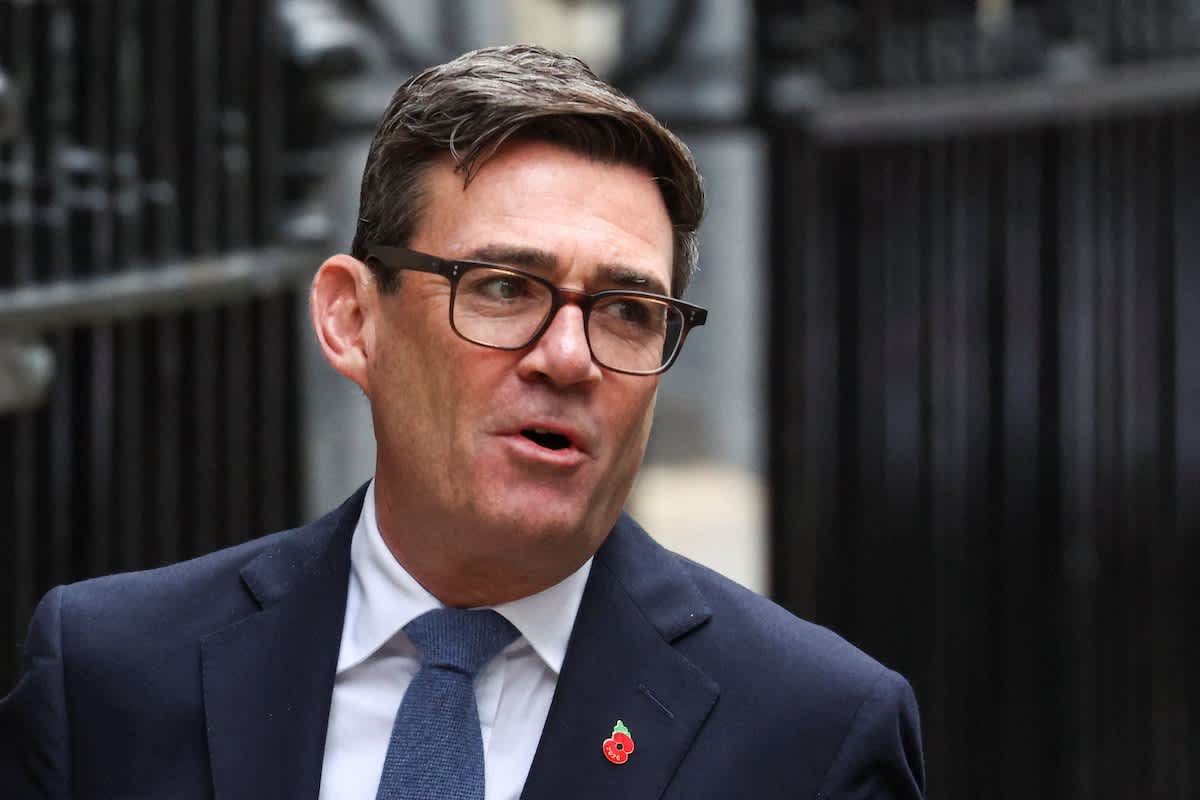
france24.com+1.nytimes.com.itv.com+1.Prime Minister Andy Burnham said his government is open to calls for Britain to formally apologize, for the first time, for its role in the trans-Atlantic slave trade. He continued to reject demands for financial reparations. He made the offer in an essay for the Guardian, days before he travels to a Commonwealth summit in the Caribbean where the issue is expected to dominate (AP; Yahoo/Guardian).apnews.com+1
"We are offering a structured dialogue with those affected by the transatlantic slave trade," Burnham wrote. "Listening to calls for a formal apology on behalf of the British state will form an important part of this process and I am open to them". The New York Times called it a major shift in British policy. It also noted that whether, or when, Burnham might actually apologize is still unclear.bbc.co.uk+1
Burnham called the slave trade "a brutal and barbaric violation" and said he wanted "to express my sorrow and regret for the pain and suffering of so many millions". He also said that "by sticking our heads in the sand, we have damaged the ability of the Commonwealth to function".japantoday.com+1
On reparations, he kept to the position of earlier governments. "I do not think that British people today can be held liable for historical wrongs, however heinous, that happened in a different age under different laws and in which they played no personal part," he wrote. Instead, he proposed a push to restructure debt for the poorest Commonwealth countries so they can repay over longer periods at lower interest rates. Former Prime Minister Gordon Brown will lead the effort, and it is expected to eventually include organizations such as the IMF.aljazeera.com+1
The essay comes as King Charles III arrived in Antigua and Barbuda for the gathering of Commonwealth leaders. The Commonwealth Heads of Government Meeting runs from Sunday, November 1, through Wednesday, November 4, in St. John's. While in Nassau, the Bahamas, on Tuesday, October 27, the King acknowledged "the great suffering and injustices of the past" but stopped short of an apology. As a constitutional monarch, he speaks on behalf of the elected government, and government policy had ruled out an apology.itv.com+1
Britain has never formally apologized for slavery or agreed to pay reparations. An estimated 3 million enslaved Africans were carried across the Atlantic on British ships in the 1700s and 1800s. Critics have long called for financial compensation, and the Times said an apology alone is unlikely to satisfy some of them.france24.com+1
British leaders have traditionally pointed to the country's ban on the slave trade in 1807 and its abolition of slavery across the empire in 1833. Burnham said it was time to acknowledge both sides of that history. "We are a country where brave people led the way in abolishing slavery, but we are also a country that participated in the trade in human lives," he wrote.japantoday.com