Newsletter Subscribe
Enter your email address below and subscribe to our newsletter
[forminator_form id="25163"]

All voices matter

cnbc+1cnbc+2reutersA wave of interest rate increases from the world's largest central banks this month has marked a decisive return to monetary tightening, as surging oil prices driven by conflict in the Middle East reignite inflation fears and send investors fleeing from equities.
The Federal Reserve on Wednesday raised its benchmark rate by 25 basis points to a target range of 3.75% to 4%, its first hike since 2023, with the Federal Open Market Committee voting 12-0 in favor. The Fed's updated dot plot projects one additional increase this year, though markets are pricing in a more aggressive path. On Friday, the Bank of Japan raised its policy rate to 1.25%, a 31-year high, in a 7-2 decision that accelerated its tightening cycle to counter persistent price pressures. The European Central Bank had already lifted its deposit rate to 2.5% on September 10.cnbc+6
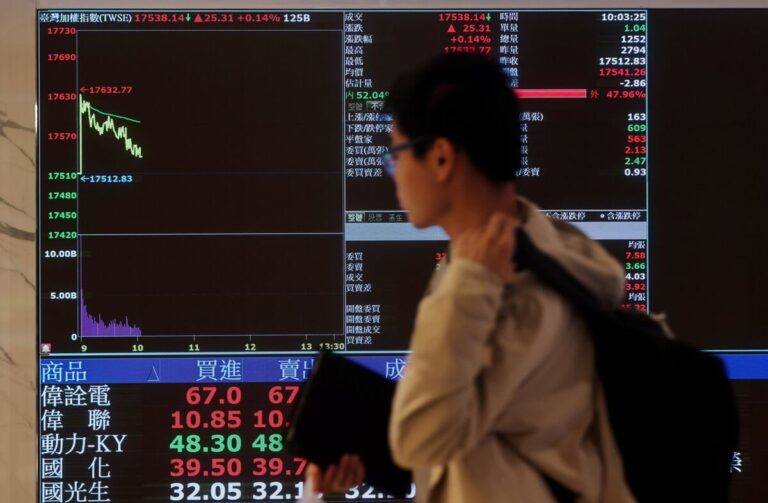
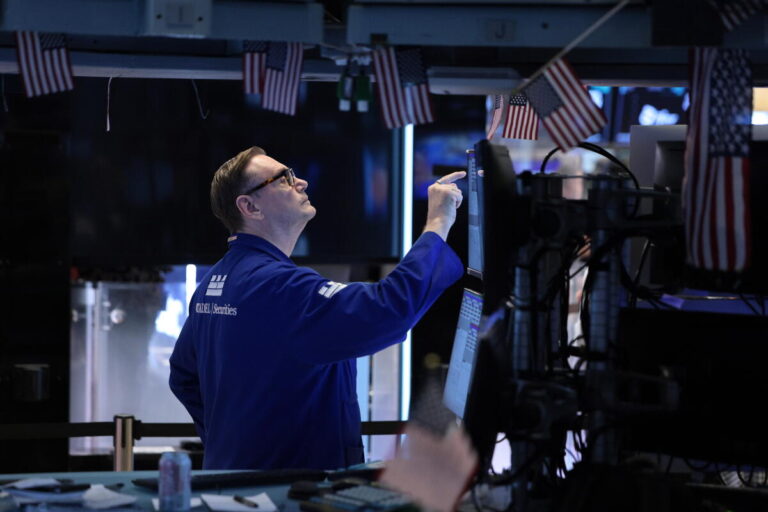
The synchronized hawkish pivot is rattling global markets. LSEG Lipper data showed global equity funds recorded net outflows of $15.52 billion in the week through September 9, the largest since March, driven by $32.27 billion in net sales from U.S. equity funds alone. U.S. large-cap funds posted record weekly outflows of $40.44 billion.reuters+1
The selling pressure reflects growing unease over the inflation outlook. West Texas Intermediate crude futures reached $102.40 per barrel on September 16, according to South Korea's Chosun Ilbo, as Middle East conflict continues to disrupt key energy supply routes. S&P Global's September outlook flagged "renewed, and broadening, upward pressure on energy prices" alongside "more tightening from major central banks and rising sovereign yields".chosun+1
Not every central bank has moved yet, but the holdouts are shifting their tone. The Bank of England voted 6-3 on Wednesday to keep its Bank Rate at 3.75%, with three members pushing for an immediate hike to 4%. Governor Andrew Bailey warned that continued escalation in the Middle East could force further tightening. Markets are now pricing in at least one hike by November, with analysts at AJ Bell noting expectations of "as many as five by July".forbes
The Bank of Canada held its overnight rate at 2.25% on September 2 but issued an explicit warning about high inflation risk, signaling it could hike multiple times if price pressures persist. Average UK two-year fixed mortgage rates have climbed to 5.83%, the highest since May, as lenders price in future increases ahead of official action.bankofcanada+2
What distinguishes this tightening cycle is its origin. As BNN Bloomberg noted, the rate increases are not a response to economic overheating but to "imported inflation from geopolitical energy shocks" — a dynamic that forces central banks to raise borrowing costs even as growth slows. CNBC reported that higher U.S. rates could mean "a stronger dollar, greater pressure on currencies elsewhere and less room for other central banks to ease monetary policy".bnnbloomberg+1
With the Fed, ECB, and BOJ all now tightening in lockstep, global liquidity conditions are set to remain constrained. The question facing policymakers is whether they can contain energy-driven inflation without tipping their economies into recession.