Newsletter Subscribe
Enter your email address below and subscribe to our newsletter
[forminator_form id="25163"]

All voices matter
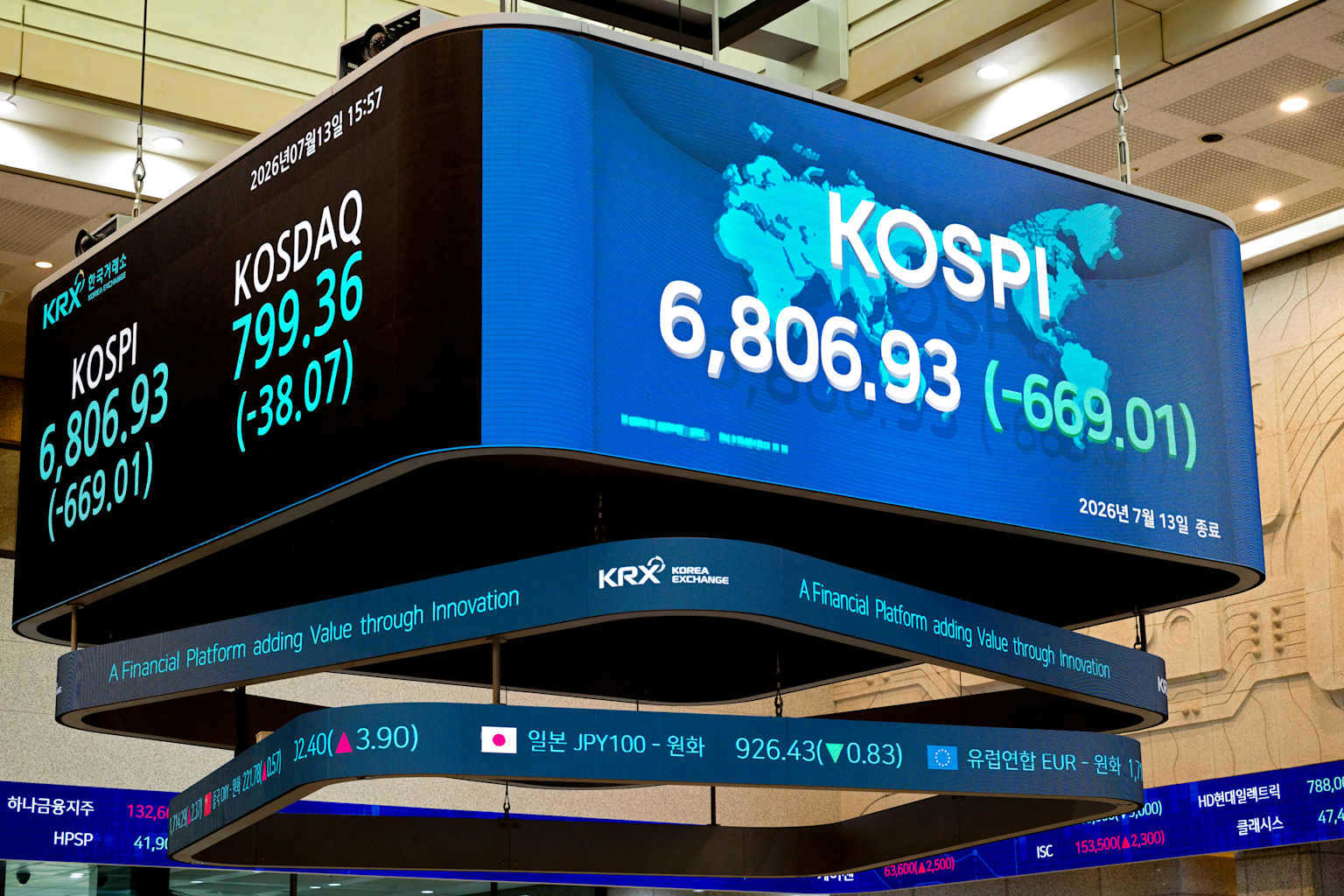
bloombergreutersbusinesstimes+1Price swings in Asian technology stocks have reached their most extreme levels since the global financial crisis, as an AI-fueled rally that once electrified emerging markets gave way to a punishing correction that has rattled institutional and retail investors alike.
Over the past 100 days, volatility on MSCI's Asia Pacific tech index has surpassed anything seen since 2009, according to Bloomberg. On Thursday, the gauge sank 3.2% after rallying 4.2% the day before, underscoring the whiplash that has come to define the region's markets. Samsung Electronics and SK Hynix led a 4.6% retreat in South Korea's Kospi, which has now fallen roughly 31% from its June peak.bloomberg
The AI spending wave had transformed South Korea and Taiwan from overlooked corners of global finance into must-own markets. The Kospi doubled on the back of surging chip stocks, while TSMC Taiwan Semiconductor Manufacturing Company Limited , the largest company in the emerging-market universe, soared alongside Samsung and SK Hynix. But since late June, the rally has reversed with startling speed. South Korea's benchmark triggered six or seven circuit breakers in a single month, according to Amundi portfolio manager Ji Young Park. Korean market swings have exceeded even bitcoin's volatility this year.reuters
"The clients that we speak to, the institutional clients, are struggling with the level of volatility in Korea at the moment," said William Bratton, head of cash equity research for Asia-Pacific at BNP Paribas, "to the point that they think that any sort of fundamental positive earnings story that may exist — and we believe does exist — is not worth pursuing at this point".reuters
The turbulence has triggered a historic wave of foreign capital withdrawal. LSEG data shows international investors pulled money out of Asia ex-China markets faster than during any six-month period going back to at least 2010. South Korea and Taiwan bore the brunt, shedding over $100 billion and $44 billion respectively, according to JPMorgan . Goldman Sachs The Goldman Sachs Group, Inc. estimated that Asia's main stock-picking hedge funds fell 15.2% in July, the steepest monthly drop on record. Large multi-strategy funds lost between 3% and 9% during the month.businesstimes+1
Just nine companies — mostly big Taiwanese and Korean tech firms, plus Alibaba and Tencent — now account for more than 40% of the MSCI EM index, making it even more top-heavy than its U.S. counterpart. "Emerging markets, which people used to look to as a source of diversification, are not really a source of diversification anymore," MSCI's research head Ashley Lester said. "They're right in the centre of the AI boom".reuters
Some signs of stabilization have emerged. Intraday KOSPI volatility has dropped to 3.2% over recent sessions, down from a record 7.1% in July, though the VKOSPI forward-looking volatility index remains well above its historical average. Overseas investors bought $5 billion of South Korean shares last Friday alone, more than double the previous single-day record.financemagnates+1
"Ride the volatility and try to avoid the overhyped names," said UBP technology portfolio manager Dimitri Kallianiotis. "If you are not invested in the tempest days, you won't be there for the rebound".reuters