Newsletter Subscribe
Enter your email address below and subscribe to our newsletter
[forminator_form id="25163"]

All voices matter
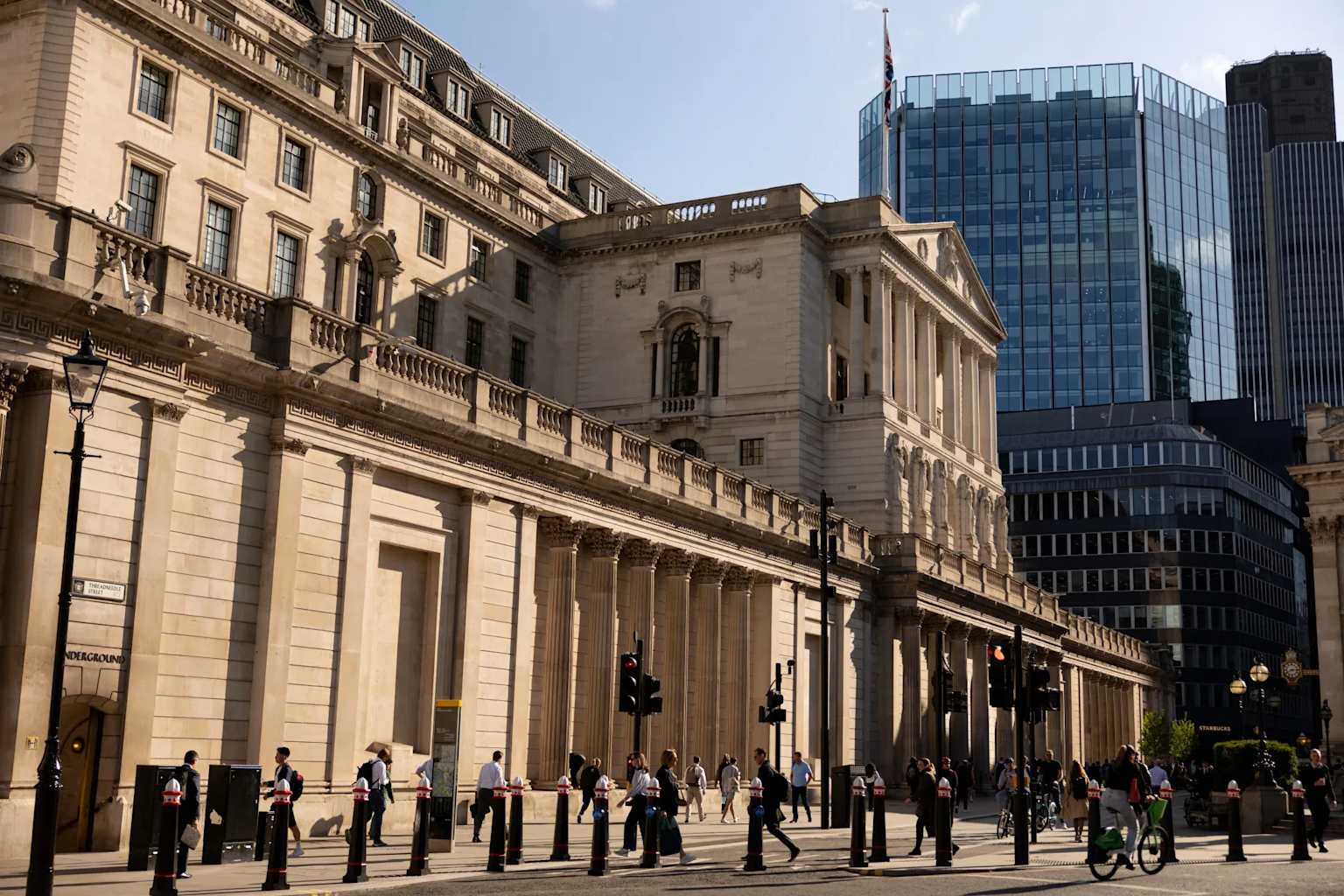
chosun+1chosun+1chosun+1The Bank of England's Prudential Regulation Authority has launched a review of London-based prime brokers' exposure to Asian artificial intelligence stocks, amid growing concerns that leveraged hedge fund positions could trigger cascading losses reminiscent of the 2021 Archegos Capital collapse.
The PRA is investigating whether investment banks operating in the United Kingdom have built up overly concentrated positions in Asian equities through their prime brokerage businesses, the Financial Times reported on July 29, citing multiple people familiar with the matter. The review focuses on stocks including SK Hynix , TSMC Taiwan Semiconductor Manufacturing Company Limited , and Chinese chipmakers such as Cambricon Technologies and ChangXin Memory Technologies.chosun+2
Prime brokerage units lend funds to hedge funds against stock portfolios held as collateral, effectively providing leverage. As Asian AI stock prices surged in the first half of 2026, the value of these portfolios swelled, and the scale of borrowing against them grew rapidly. The UK market's unlimited rehypothecation ratio — which allows brokers to reuse client collateral — has made London a hub for such activity.sedaily
The review comes as a sharp selloff in semiconductor stocks has rippled across Asian markets. SK Hynix shares have suffered record single-day declines, with the stock plunging around 15% in one session and dragging South Korea's Kospi sharply lower. Samsung Electronics and other AI-linked names have also seen heavy selling.wsj+1
The Bank of England flagged these risks in its July 2026 Financial Stability Report, noting "a significant rise in hedge fund leverage in equity markets, creating risks, including via the prime brokers". Goldman Sachs reported that global hedge funds' cumulative leveraged investments from January to May 2026 hit a five-year high, with total leverage reaching 294% of principal in June.bankofengland+1
The PRA's concern centers on contagion: if leveraged positions in volatile AI stocks incur losses, clients may default, spreading losses to the banks that extended credit. The structure mirrors aspects of the Archegos collapse, when Bill Hwang's fund used total return swaps to leverage $10 billion into $50 billion in concentrated bets. When those positions unwound in 2021, global banks suffered more than $10 billion in losses, contributing to Credit Suisse's UBS Group AG eventual demise.globalbankingandfinance+2
If the PRA deems risks excessive, it could require banks to increase their holdings of liquid assets in preparation for a market plunge or sudden default. Reuters reported that the review builds on ongoing BoE concerns about leverage, client disclosures, and prime brokerage resilience.sedaily+1