Newsletter Subscribe
Enter your email address below and subscribe to our newsletter
[forminator_form id="25163"]

All voices matter
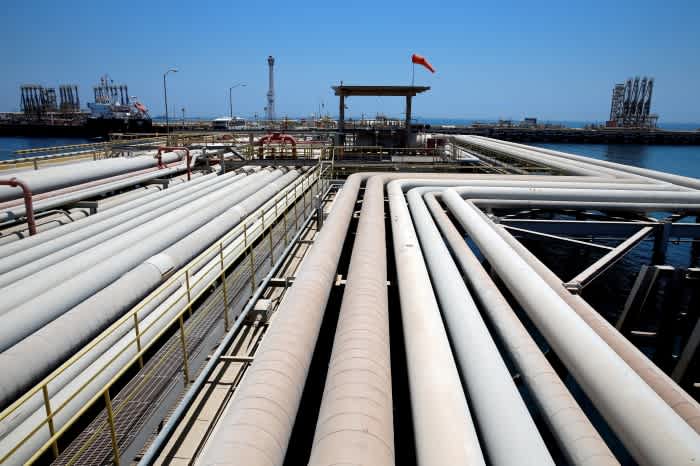
reuters+1reuters+2boereportThe surge in energy prices and global borrowing costs triggered by the widening conflict in the Middle East is pushing economies closer to a potentially damaging period of persistent inflation and sluggish growth, even as central banks around the world tighten monetary policy in response.
Oil futures have climbed back above $100 a barrel, roughly 50% higher than before the war, while government bond yields across developed economies have reached levels not seen since the 2008 financial crisis. The Federal Reserve on Wednesday raised its benchmark rate by a quarter point to a range of 3.75% to 4.00%, its first hike since 2023. The Bank of Japan on Friday lifted its policy rate to a 31-year high of 1.25%, while the Bank of England held rates steady on Thursday but warned inflation could top 4% by early 2027.boereport+5
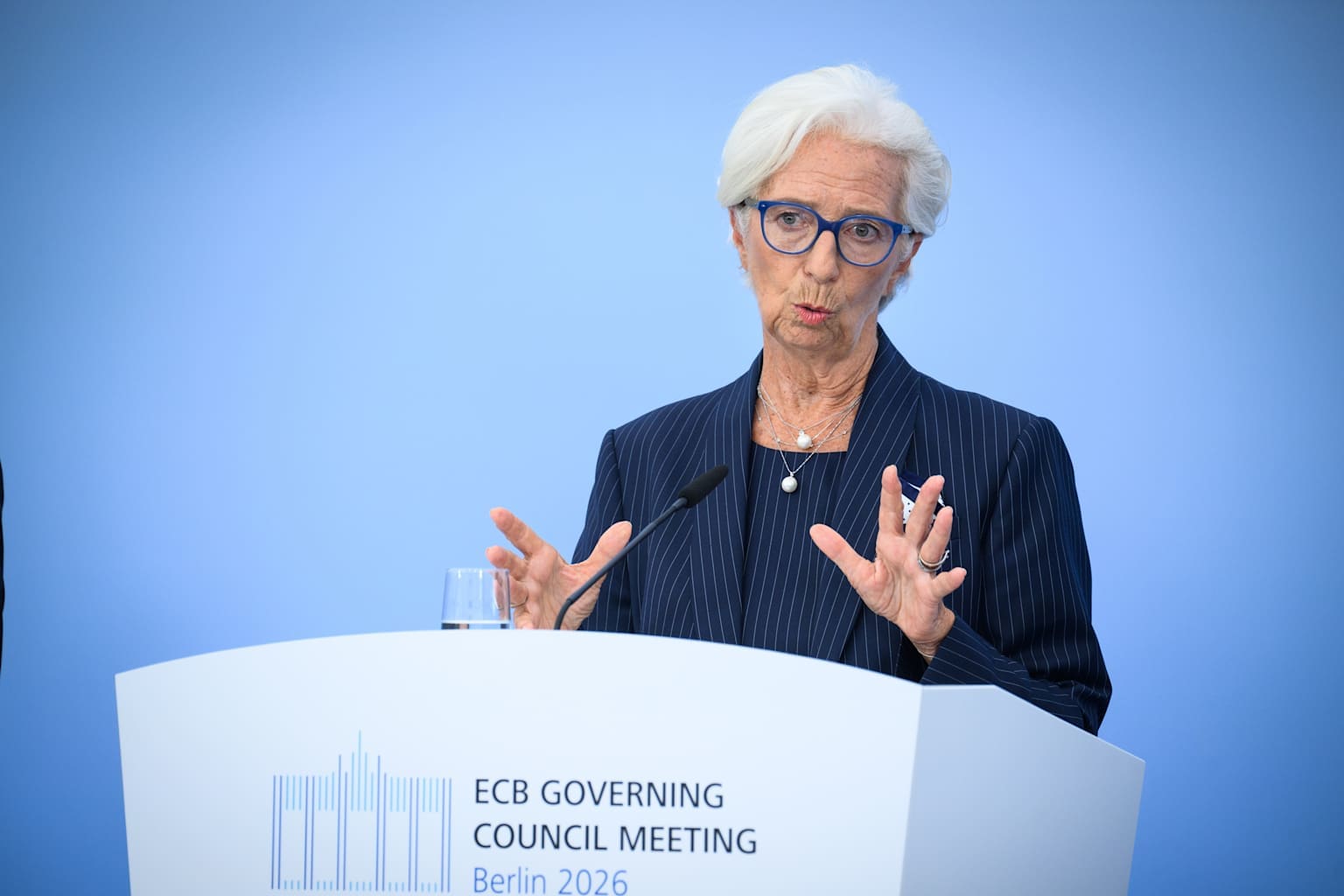
European Central Bank President Christine Lagarde on Friday sought to temper expectations that rate hikes would follow energy prices upward in lockstep. "Interest rates do not move in lockstep with the price of energy," Lagarde said at a news conference in Dublin, adding that the ECB was "taking a measured response to the current situation".reuters+1
Her comments echoed those of ECB Vice President Boris Vujcic, who told Reuters Thomson Reuters Corporation earlier Friday that market pricing was "being driven mainly by rising energy prices" and cautioned that the central bank considers "a much broader set of data and criteria when making monetary policy decisions". Financial markets currently price in three to four more ECB rate hikes over the next year, on top of two increases already delivered in June and September.reuters+1
For now, economic growth has proven more resilient than many expected. The ECB's September projections revised growth upward for 2026 and 2027, citing stronger-than-anticipated domestic demand and exports. Corporate earnings remain robust, and heavy spending on artificial intelligence has helped sustain investment.ecb.europa+1
Yet warning signs are multiplying. Vujcic noted that if inflation "remains high through the autumn and affects household incomes and consumer behaviour, that will also have a dampening impact on GDP". Consumer discretionary stocks have sharply underperformed broader indexes in both the United States and Europe this year, while rising mortgage rates and fuel costs squeeze household budgets. Chris Jeffery, head of macro strategy at LGIM, said the energy and rates shock risked spilling into equity and credit markets. "We're starting to worry that we might be getting to a point where it starts having equity and credit effects," he said.boereport+1
The S&P 500 remains near record highs, but the combination of expensive energy, elevated bond yields, and tighter monetary policy across the G10 is creating what analysts describe as a stagflation cocktail — one that will test the durability of the current expansion in the months ahead.bnnbloomberg+1