Newsletter Subscribe
Enter your email address below and subscribe to our newsletter
[forminator_form id="25163"]

All voices matter
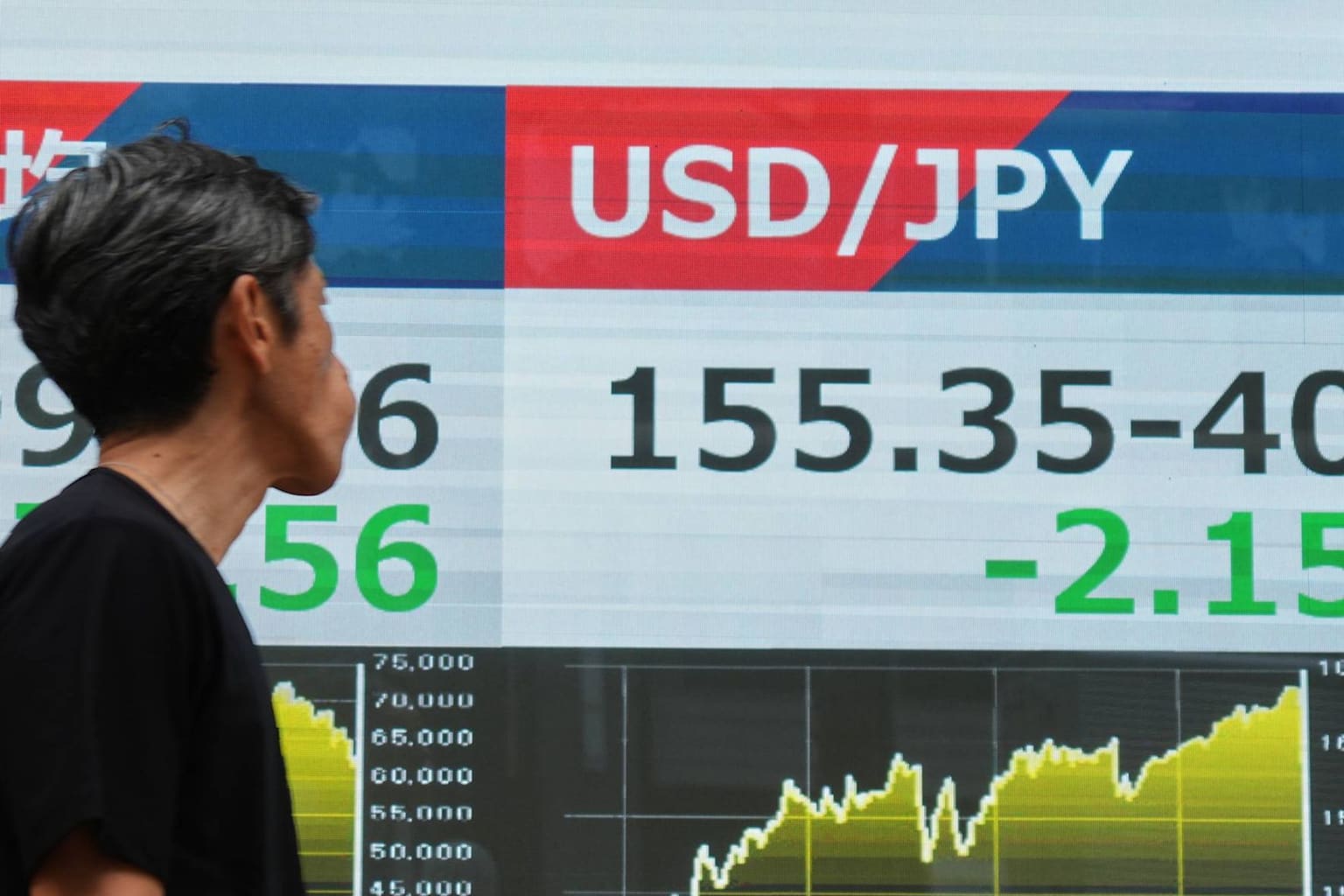
nb+1realeconomy.rsmus+1freemalaysiatodayThe Japanese yen traded around 159 per dollar on Monday, having surrendered roughly half of the gains achieved after the historic joint US-Japan currency intervention in late July that pulled the currency back from near four-decade lows. The recovery in USD/JPY underscores a growing consensus among analysts that intervention alone cannot deliver lasting yen strength without further Bank of Japan rate hikes.
Japan's Ministry of Finance and the US Treasury confirmed a joint yen-buying operation on August 1—the first coordinated intervention since 1998—with Japan spending an estimated $36–59 billion while the US sold euros rather than dollars. The yen initially surged from near 163 to around 157, but has since drifted back toward 159.nb+1
"Intervention changed the path. It didn't eliminate the interest-rate incentive supporting the carry trade," Matthew Tuttle, CEO of Tuttle Capital Management, told Reuters. The yen strengthened 0.2% on Monday to around 159.04 per dollar, brushing aside weaker-than-expected Japanese GDP data showing annualized growth of just 1.1% in the second quarter.freemalaysiatoday+1
Former top currency diplomat Mitsuhiro Furusawa told Reuters that Japan could conduct further joint intervention "at any time" and signal the possibility of raising interest rates faster than expected to curb further depreciation.economies
Commerzbank's Volkmar Baur argued that Japan's solid nominal growth and higher-than-expected inflation should keep pressure on the BoJ to raise rates as early as September or October. Neuberger Berman's Joe Amato wrote that "intervention will not have a lasting effect without genuine policy change," noting the BoJ remains an outlier among developed-market central banks as it gradually normalizes policy.fxstreet+1
Markets currently price in roughly an 80% probability of a rate hike at the BoJ's September 17–18 meeting, with investors expecting an additional three hikes by July 2027. RSM chief economist Joe Brusuelas warned that unless the BoJ hikes and the government spurs stronger growth, "one should anticipate that investors will challenge the willingness of Tokyo and Washington to sustain that initial intervention and again push the yen toward 170".realeconomy.rsmus
The dollar fell to its lowest level in more than two months on Monday as traders trimmed US rate hike bets following softer inflation and retail sales data last week. The probability of a Fed rate increase at its September meeting dropped to 30.8% from 52.2% a week earlier. Attention now turns to the Federal Reserve's Jackson Hole symposium next week, where investors will look for guidance on whether the tightening cycle has concluded.freemalaysiatoday
Finance Minister Satsuki Katayama and Treasury Secretary Scott Bessent have both signaled they "will not hesitate" to intervene again if disorderly moves resume—a warning that may keep speculators cautious as the yen approaches 160.nb