Newsletter Subscribe
Enter your email address below and subscribe to our newsletter
[forminator_form id="25163"]

All voices matter

cpbThe Guardian+1The Guardian+1Global trade volumes increased 0.7% in April compared to the previous month, rebounding from a sharp decline in March, according to the CPB World Trade Monitor published on Wednesday by the Netherlands Bureau for Economic Policy Analysis.
The data, released June 25, offers a measure of resilience for a global trading system that has been under strain from the Middle East conflict and the effective closure of the Strait of Hormuz since late February.
The April increase follows a revised 2.3% decline in March, which was steeper than the initial estimate of 2.1% published in May. World trade momentum — a smoothed measure of the underlying trend — stood at 2.1% in April, down from 3.6% in March.cpb
The picture was mixed across regions. Advanced economies saw imports rise 0.6% month-on-month, while emerging economy imports fell 3.8%, dragged down by a 10.9% decline in Chinese imports. On the export side, emerging economies surged 5.4%, offsetting a more modest 0.6% gain in advanced economy exports.
World industrial production, by contrast, fell 0.6% in April after a 1.6% decline in March, suggesting that the trade rebound has yet to translate into broader manufacturing activity.
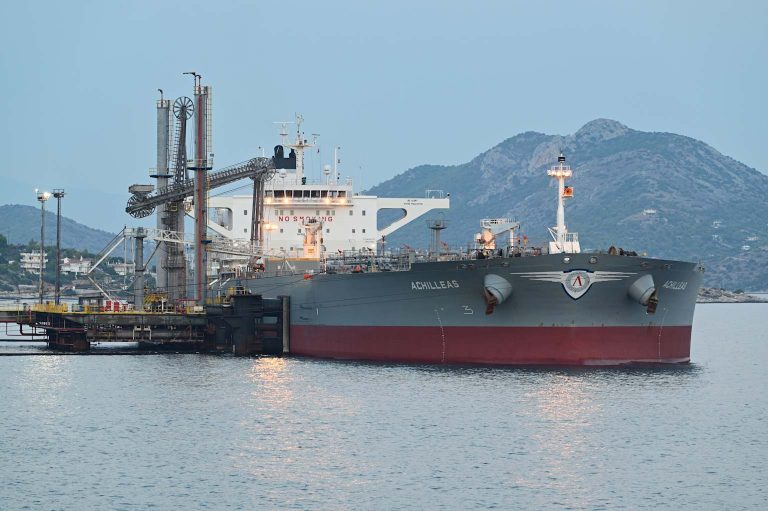
The conflict between the United States, Israel, and Iran that erupted in late February effectively closed the Strait of Hormuz to commercial shipping for months, disrupting roughly 20% of global oil flows and about 10% of global container shipping capacity. Major carriers including Maersk A.P. Moller – Maersk A/S and CMA CGM suspended transits through the strait, forcing vessels to reroute around Africa.cnbc.com+2
A memorandum of understanding between the United States and Iran announced on June 14 has begun to ease the blockade, with tankers starting to exit the Gulf. However, approximately 80 mines remain in the strait's central channel, and shipping analysts have warned that full normalization could take months. Peter Sand, chief analyst at freight analytics firm Xeneta, cautioned that "such a scale of disruption and market instability cannot be rectified overnight".The Guardian+2
UNCTAD's April trade update noted that global trade grew by $2.5 trillion in 2025 to a record $35 trillion, with momentum carrying into early 2026 — but warned that growth is expected to slow later this year due to persistent trade tensions and rising costs from the Hormuz disruption. The ExportPlanning information system separately reported that world trade in goods grew over 10% year-on-year in real terms in April, driven by demand for capital goods such as semiconductors and industrial machinery.ExportPlanning+1
The CPB's next World Trade Monitor, covering May data, is scheduled for July 24.