Newsletter Subscribe
Enter your email address below and subscribe to our newsletter
[forminator_form id="25163"]

All voices matter
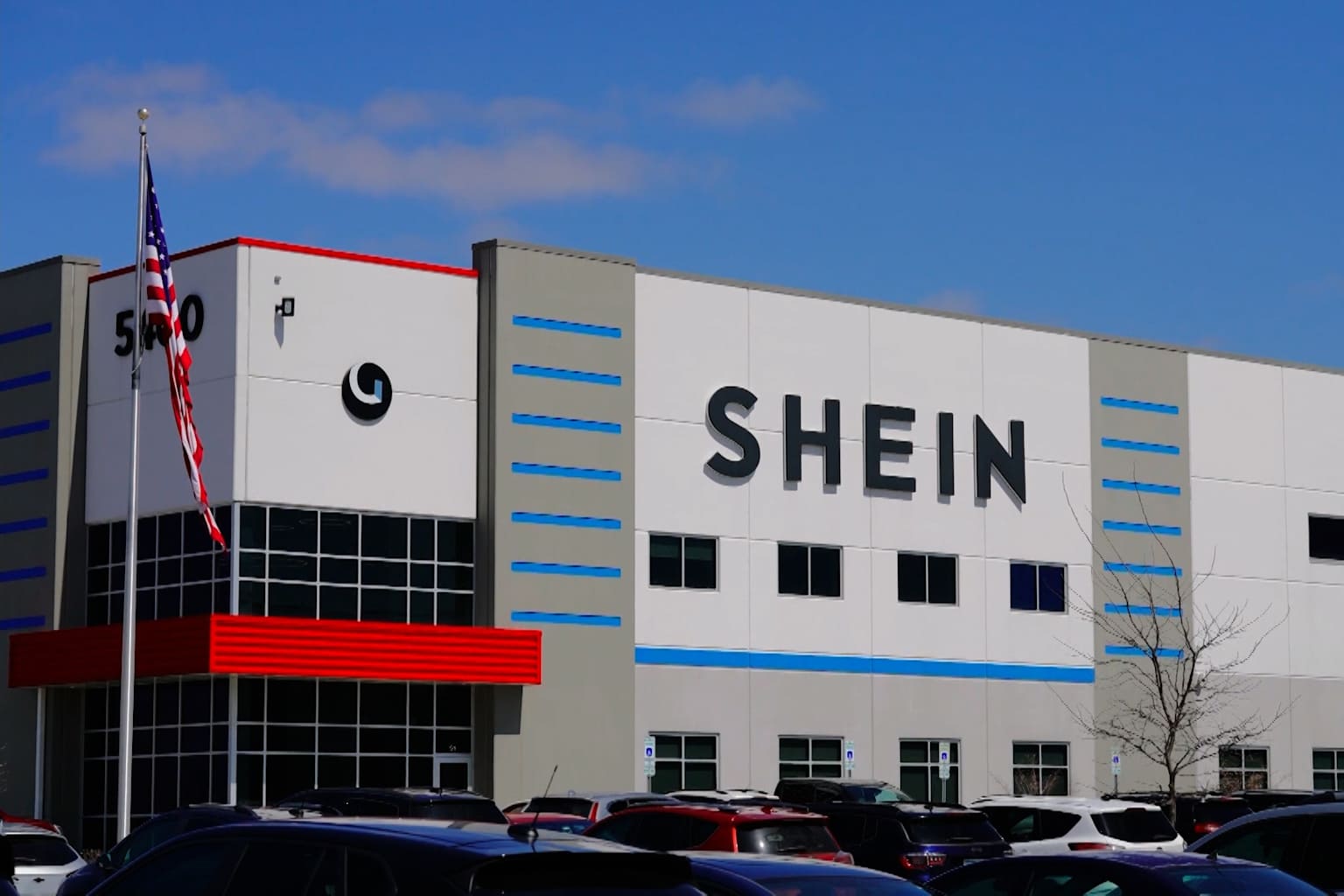
publiceye+1wwdwwdShein's long-awaited stock market debut is drawing pointed criticism from watchdog groups and institutional investors who say the fast-fashion giant's sustainability commitments amount to little more than rhetoric, even as the company begins selling shares ahead of its Hong Kong listing next month.
Swiss nonprofit Public Eye published an analysis this week of Shein's IPO disclosure documents, concluding that the company remains "firmly centred on technology, speed and growth" despite prominent sustainability messaging to prospective investors. Of the $1.8 billion Shein intends to raise, only 10 percent would go toward sustainability, while 80 percent would be split evenly between technology and global marketing, Public Eye found.publiceye+1
The organization described Shein's model as "outsourcing as a business model," noting that with just 18,000 employees and $41.8 billion in 2025 revenues, the company delegates responsibility for working conditions, product quality and legal compliance to manufacturers and merchants who must also indemnify Shein in case of breaches. David Hachfeld, Public Eye's fashion lead, said the company "appears less like a traditional fashion group than a tech company orchestrating a vast network of contracted partners."wwd+1
Public Eye also challenged Shein's core environmental claim that its on-demand model minimizes overproduction, noting the company defines overproduction only as goods produced but not sold — ignoring the roughly 4,700 new styles it introduces daily and its aggressive marketing to drive consumption.publiceye+1
Institutional investors have flagged Shein's dual-class share structure as a material risk. The company's four co-founders will hold 59.6 percent of overall shares but control 90 percent of voting rights after the IPO, with no fixed expiry on that arrangement. Shein also combines the roles of chairman and chief executive, and only three of its seven directors are independent.esgnews+1
"Taken together with the concentrated voting control, this risks weakening independent oversight," said Kiran Aziz, head of responsible investments at Norway's KLP pension fund. Janina Bartkewitz, ESG analyst at Union Investment in Frankfurt, said the company "continues to face serious ESG controversies, particularly around working conditions and labour rights in its supply chain."gdnonline+1
Shein is under active investigation by both the European Commission and the U.S. Federal Trade Commission, and its filings acknowledge that regulatory changes have already weighed on U.S. revenues since mid-2025. European authorities recently fined Alibaba -owned AliExpress €550 million and PDD Holdings -owned Temu €200 million over illegal products, underscoring the financial risks Shein faces.esgnews+2
On Monday, Shein began the process of selling 280 million shares at between HK$47.60 and HK$49.50 per share, valuing the company at nearly $27 billion — roughly a quarter of its $100 billion peak valuation in 2022. Whether investors will look past the ESG concerns remains the central question as the listing approaches.wwd