Newsletter Subscribe
Enter your email address below and subscribe to our newsletter
[forminator_form id="25163"]

All voices matter
devdiscourseeuropa+1devdiscourseEscalating hostilities between the United States and Iran have sent energy prices sharply higher, fueling a resurgence of inflation across major economies and raising the prospect of renewed monetary tightening just as central banks had hoped to keep rates steady.
Brent crude has climbed to around $95 a barrel in recent days, gaining roughly 20% over the past month, as fighting around the Strait of Hormuz continues to disrupt one of the world's most critical energy corridors. European natural gas futures have hit a three-year high, while diesel prices have surged in tandem, compounding inflationary pressures ahead of the winter heating season. European gas storage facilities sit at around 65% capacity, the lowest seasonal level on record going back to 2009.energyupdate+1
The energy shock is now filtering into consumer prices worldwide. Switzerland's annual inflation rate doubled to 0.8% in August from 0.4% in July, its highest reading since 2024, according to the Swiss Federal Statistical Office. Across the eurozone, inflation accelerated to 3.3% in August from 2.9% in July, driven almost entirely by energy costs, Eurostat data showed.wsj+3
In the United States, the Institute for Supply Management reported Thursday that its measure of prices paid by services businesses for inputs jumped to 72.6 in August, the highest reading since August 2022, up from 70.3 in July. The ISM's broader services index rose to 55.4, while new orders surged to 60.9, pointing to strong domestic demand running headlong into supply constraints.devdiscourse+2
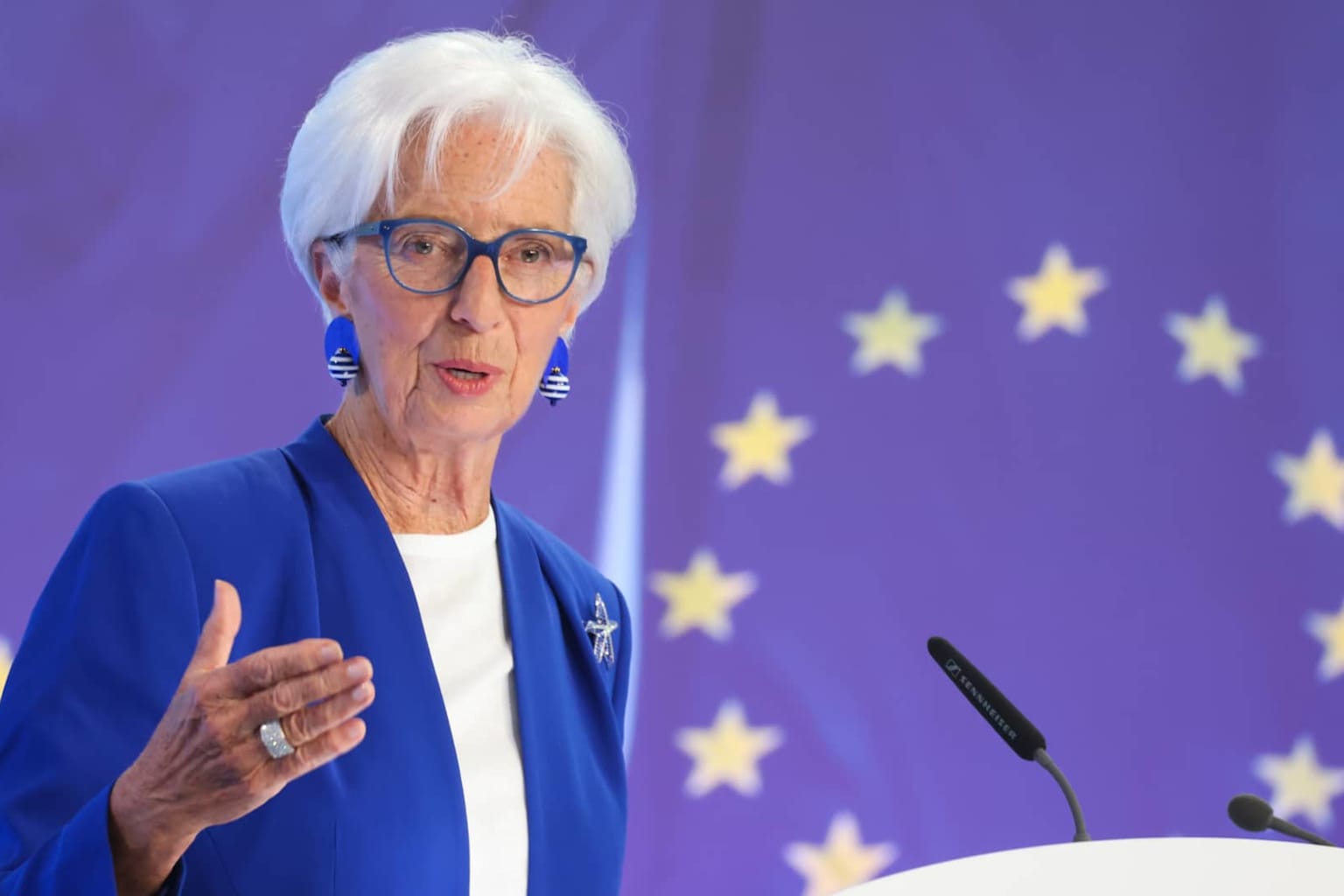
The data are sharpening expectations for rate hikes on both sides of the Atlantic. The European Central Bank is widely expected to raise its deposit rate from 2.25% to 2.5% at its September 10 meeting, according to Reuters Thomson Reuters Corporation , with traders pricing in an 80% probability of the move. ECB economists have attributed roughly 90% of the increase in energy inflation between January and May to supply-side factors linked to the Middle East conflict.chinadaily+2
At the Federal Reserve, the picture is more nuanced. Fed Governor Christopher Waller said Thursday he favored holding rates steady this month if forthcoming inflation data show price pressures easing. But economists are increasingly skeptical that will happen. "The latest surveys offer support for the idea that the Fed will soon raise interest rates," said Stephen Brown, chief North America economist at Capital Economics.devdiscourse
The conflict shows no signs of abating. The U.S. military escorted 40 commercial vessels carrying 18 million barrels of oil through the Strait of Hormuz on Tuesday, a wartime high, even as the two sides exchanged fresh strikes, CNN reported. Ukrainian drone attacks on Russian refineries have further tightened refined fuel supplies.cnn+1
Bond markets are already pricing in a prolonged inflation fight. The yield on the 10-year U.S. Treasury iShares 20+ Year Treasury Bond ETF has risen to around 4.81%, its highest since late 2023. "High energy prices have started to become more relevant for the inflation outlook," said Florence Schmit, senior energy strategist at Rabobank.energyupdate