Newsletter Subscribe
Enter your email address below and subscribe to our newsletter
[forminator_form id="25163"]

All voices matter
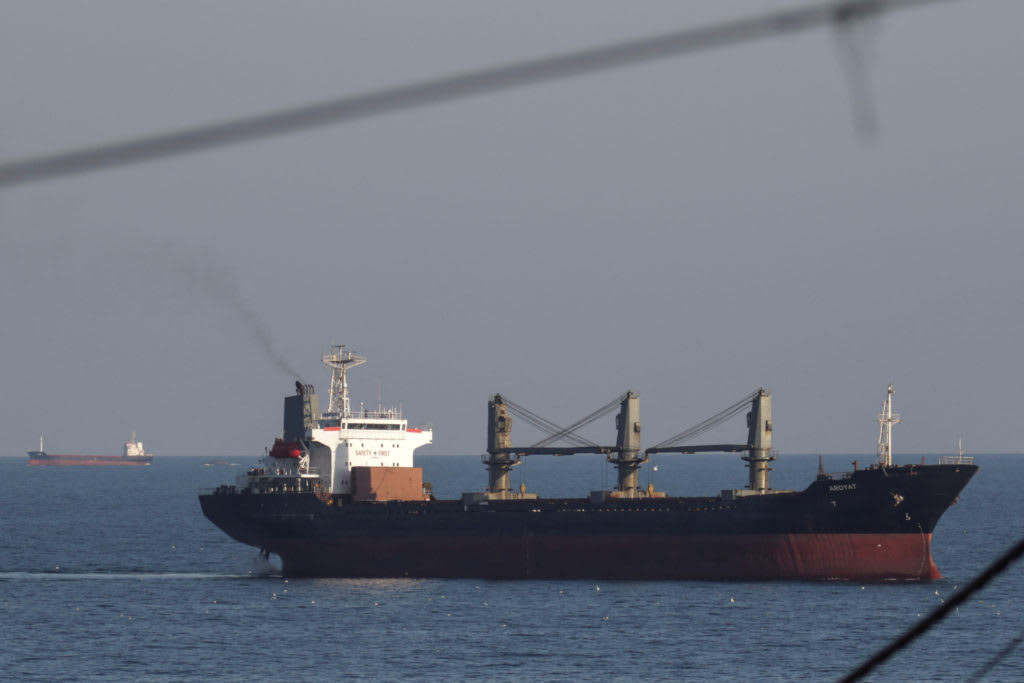
reuterseuropeanbusinessmagazine+1reuters+1Ukrainian grain exports plunged 75% year-on-year in the first two weeks of August as a sustained Russian campaign of strikes on Black Sea port infrastructure has brought maritime shipping to a near standstill, according to data released on Wednesday.reuters
No foreign cargo vessel has entered or left the ports of Greater Odesa since July 22, according to the European Business Magazine. The ports of Odesa, Chornomorsk, and Yuzhny handle the bulk of Ukraine's grain and metals exports, and they have sat idle for three weeks at the peak of the wheat harvest. In July and early August, Russia launched more than 70 attacks on Ukraine's Black Sea port infrastructure and 62 strikes on vessels, according to Ukraine's port administration.europeanbusinessmagazine+1
Ukraine is among the world's largest producers of wheat, corn, and sunflower seeds, with around 90% of its agricultural exports normally shipped through the Black Sea. Farming accounts for nearly 60% of the country's export revenues.reuters
"There is nowhere to send this grain," Ukrainian farmer Serhiy Rybalko told Reuters from his nearly full silo in the Zhytomyr region. "This is a complete disaster for farmers."reuters
With domestic grain prices falling roughly 30% as supplies accumulate locally, many farmers are selling wheat below production costs. Rybalko said his farm needs about 20 million hryvnias ($447,000) per month during the harvest to service loans, pay wages, and buy fuel — funds that are now unavailable. Ukraine's agriculture ministry warned that storage capacity shortages could reach 11 million tons, with the corn harvest arriving next month.europeanbusinessmagazine+1
Ukraine supplies roughly 6% of the world's wheat and 11% of its corn. Denys Marchuk, deputy head of Ukraine's main farmers' union, warned of famine in import-dependent countries across Africa and the Middle East unless supplies arrive on time.reuters
Ukraine's central bank estimated the blockade would cost the country about $2.5 billion in hard currency revenues in the second half of 2026. The agriculture ministry expects total exports in the 2026/27 marketing year to fall from 64.4 million tons to about 29.6 million.europeanbusinessmagazine+1
Alternative routes have become harder to secure. Relations with Poland have deteriorated over competition from cheaper Ukrainian grain, water levels on the Danube River have dropped, and Russia has struck railway infrastructure connecting to western borders. Kyiv has requested €220 million from the European Commission to help farmers stay solvent through the autumn sowing window.spotmedia+1
Unlike 2022, when Russia physically blockaded ports, this time strikes and war-risk insurance have made voyages uneconomic, prompting shipowners to voluntarily withdraw. Ukrainian Agriculture Minister Taras Vysotskyi told Politico that crews are "simply afraid" and shipping companies have suspended services following a Russian rocket strike that sank a corn-laden cargo ship in July, killing 10 people.spotmedia+1
"Ukraine should prepare for the possibility that the economic consequences of the port blockades may be no less severe, or even worse, than last time," said Oleh Nivievskyi of the Kyiv School of Economics.reuters