


Newsletter Subscribe
Enter your email address below and subscribe to our newsletter
[forminator_form id="25163"]

All voices matter

The world's oceans are warming at an accelerating and unprecedented rate, with far-reaching consequences for marine life, coastal communities and global weather patterns, according to a landmark report published Wednesday by more than 100 international scientists.
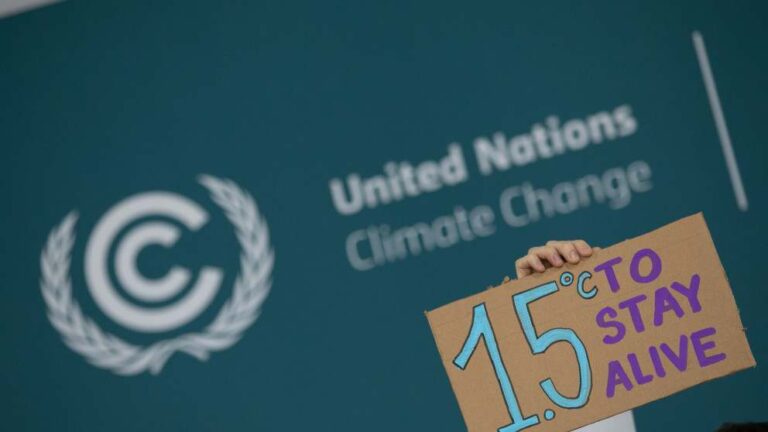
Limiting global warming to 1.5°C is no longer achievable under any plausible trajectory, and the world is unlikely to reach net-zero emissions before the end of the century, according to a major new energy study released Thursday by S&P Global.

Rising global temperatures are turning Earth's forests, wetlands, and frozen tundra from carbon sinks into carbon sources — and a study published Thursday in Environmental Research Letters finds that these overlooked feedback loops could amplify warming far more than current…

The contiguous United States experienced its hottest meteorological summer in 132 years of record-keeping, the National Oceanic and Atmospheric Administration reported on Wednesday. The average temperature across the Lower 48 states from June through August 2026 was 74.4 degrees Fahrenheit,…

Last month was the hottest and most humid August ever recorded, with global average temperatures soaring to 1.65 degrees Celsius above pre-industrial levels, according to analyses by climate scientists — the latest in a cascade of broken records driven by…

The World Meteorological Organization has issued its most unequivocal El Niño forecast ever, warning that the climate phenomenon building across the tropical Pacific is on track to become the strongest since modern monitoring began and will persist through at least…

As meteorological fall began on September 1, climate summaries from weather agencies across the Northern Hemisphere confirmed a stark pattern: the summer of 2026 was among the hottest ever recorded in locations stretching from New England to Western Europe.

The UK Met Office warned Friday that the El Niño event currently developing over the Pacific Ocean is likely to be the strongest in living memory and the largest such event since the 19th century, with sea surface temperatures forecast…

An intensifying El Niño and the relentless march of climate change are raising the likelihood that 2026 will surpass 2024 as the hottest year in recorded history, according to a new analysis released Thursday by Berkeley Earth, a nonprofit climate…

This year's record-breaking El Niño will do more than intensify extreme weather around the globe — it will effectively fast-forward the planet's temperature to conditions scientists expect will become the norm by the late 2030s, according to an analysis published…

The World Meteorological Organization declared Tuesday that July 2026 was the joint second warmest July on record globally, as extreme heat, drought, and wildfires ravaged large parts of the Northern Hemisphere and the UN agency warned that periods of dangerous…

The American Meteorological Society on Monday published its 36th annual State of the Climate report, confirming that greenhouse gas concentrations, global sea level, and ocean heat content all reached record highs in 2025. The peer-reviewed report, based on contributions from…

Earth is warming at nearly twice the pace it was just a decade ago, and scientists say they can now prove it with statistical confidence for the first time — a finding that places the world on a path to…

A rapidly strengthening El Niño in the tropical Pacific is on track to become the most powerful such event observed since at least 1950, with scientists warning it could push 2026 and 2027 to record-setting global temperatures atop an already…

A rapidly intensifying El Niño in the tropical Pacific — already one of the fastest-developing events in the observational record — has raised the prospect that a single month in early 2027 could see global average temperatures breach 2°C above…

A rapidly intensifying El Niño — forecast to be the strongest since modern record-keeping began — is reshaping expectations for global temperatures, with climate scientist Zeke Hausfather estimating a 35% chance that 2026 will set a new annual heat record…

Researchers at the California Institute of Technology and Google Alphabet Inc. have published findings showing that low-level clouds over the tropical Pacific are thinning in response to rising carbon dioxide concentrations and warming sea surface temperatures, creating a feedback loop…
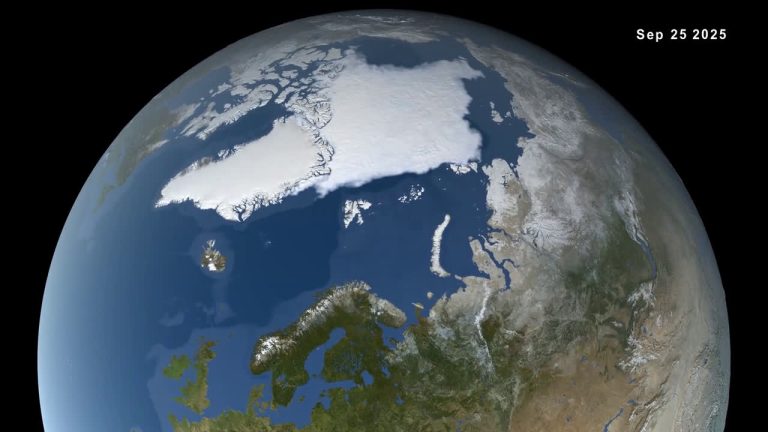
A new study published in the Proceedings of the National Academy of Sciences confirms that Arctic winter sea ice has resumed its long-term decline after what scientists say was only a temporary pause in the early 2020s. The research, led…

The world's oceans recorded their hottest June in history, with global average sea surface temperatures reaching 20.98°C and surpassing previous records set in 2023 and 2024, according to data released Wednesday by the European Union's Copernicus Marine Service and the…

The National Oceanic and Atmospheric Administration officially declared on Thursday that El Niño conditions have developed in the tropical Pacific, confirming what scientists had been anticipating for months and setting the stage for a climate event that could reshape global…

The US Climate Prediction Center is expected to formally confirm on Thursday that El Niño conditions have taken hold in the equatorial Pacific, with scientists warning the event could become one of the most powerful in recorded history, raising the…

An international team of more than 70 scientists has found that human-caused global warming reached 1.37°C in 2025 and is accelerating at a record pace, with the planet's energy imbalance at its highest level ever observed. The findings, published on…

The world experienced its second-hottest May since records began, with an unusually early and severe heatwave scorching Western Europe as climate extremes become the "new normal" on the continent, the European Union's Copernicus Climate Change Service reported on Wednesday.