Newsletter Subscribe
Enter your email address below and subscribe to our newsletter
[forminator_form id="25163"]

All voices matter
phys+1phys+1eurekalertRising global temperatures are turning Earth's forests, wetlands, and frozen tundra from carbon sinks into carbon sources — and a study published Thursday in Environmental Research Letters finds that these overlooked feedback loops could amplify warming far more than current climate models predict.phys+1
The paper, titled "Projected Amplification of Global Warming by Warming-Induced Greenhouse Gas Emissions," represents the largest effort to date to quantify the combined warming impact of four major feedback sources: permafrost thaw, wildfires, wetlands, and inland waters. Researchers from Stanford University, Spark Climate Solutions, the Environmental Defense Fund, and Woodwell Climate Research Center found that these warming-induced emissions could amplify post-2020 anthropogenic warming by 20% to 30%, adding an estimated 0.2°C to 0.4°C of additional warming by 2100.eurekalert+1
Even under a scenario in which humanity achieves net-zero emissions, the feedbacks could still contribute roughly 0.2°C of warming by century's end. Under a higher-emissions pathway, the additional warming rises to approximately 0.4°C.phys+1
"What surprised us was the size of the feedback," said lead author Sam Abernethy, a research scientist at Spark Climate Solutions. "This hidden multiplier is missing from the models guiding climate policy, so those models are likely underestimating how much warming is coming — and overestimating how much carbon we can still afford to emit."eurekalert+1
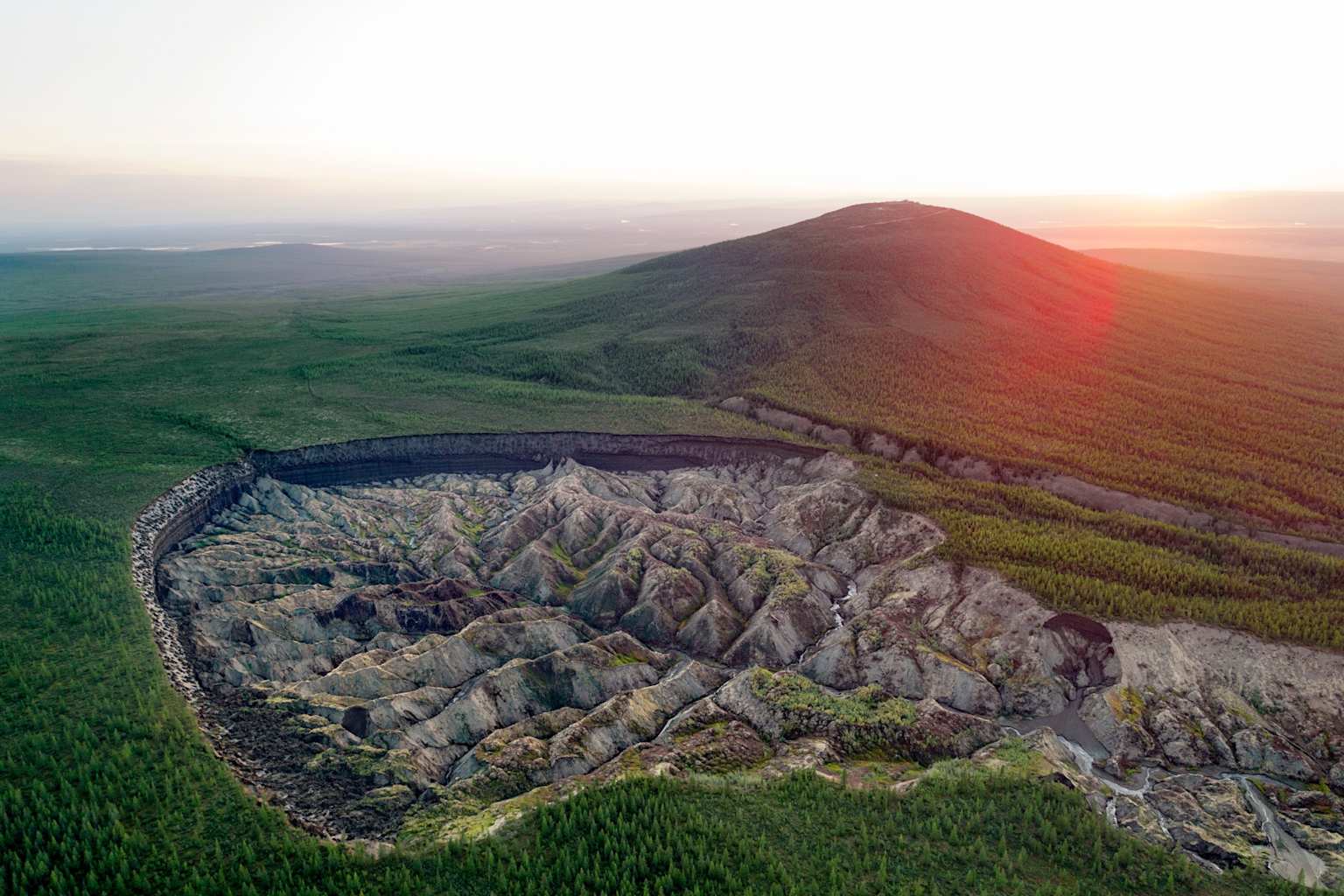
Permafrost thaw alone accounts for half of the anticipated warming-induced emissions, according to co-author Christina Schädel of Woodwell Climate Research Center. As temperatures climb, ancient frozen organic matter decomposes, releasing carbon dioxide and methane. Warmer wetlands and lakes add more methane, while drier conditions fuel larger wildfires that burn through carbon stored in forests.phys+1
These processes are largely absent from the Earth system models used to guide international climate policy, including IPCC assessments. The study arrives weeks after a U.N. Environment Programme report concluded that overshooting the 1.5°C warming threshold is now "inevitable" by the end of the decade.eurekalert+1
The researchers note that the feedback loop is not a death sentence: because warming-induced emissions scale with human-caused warming, cutting fossil fuel emissions directly reduces the severity of these feedbacks.eurekalert+1
"The results are a wake-up call, and it's imperative that they be included in the next generation of climate policies," said co-author Robert Jackson, a provostial professor at Stanford University and chair of the Global Carbon Project. "Failure to do so will make meeting the world's climate goals less and less likely."phys+1