


Newsletter Subscribe
Enter your email address below and subscribe to our newsletter
[forminator_form id="25163"]

All voices matter
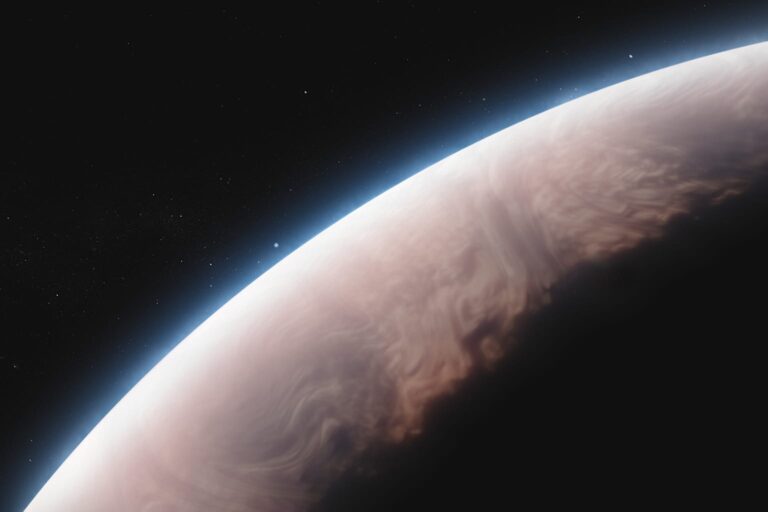
Astronomers usually model distant planets as perfect circles. A team led by Cornell University and the University of Bristol has now used data from NASA's James Webb Space Telescope to measure the uneven outline of a planet's atmosphere for the…

Astronomers say a white dwarf about 250 light-years from Earth may have a planet that formed after its parent star died. If confirmed, it would be the first known planet to form around a white dwarf. In a study published…
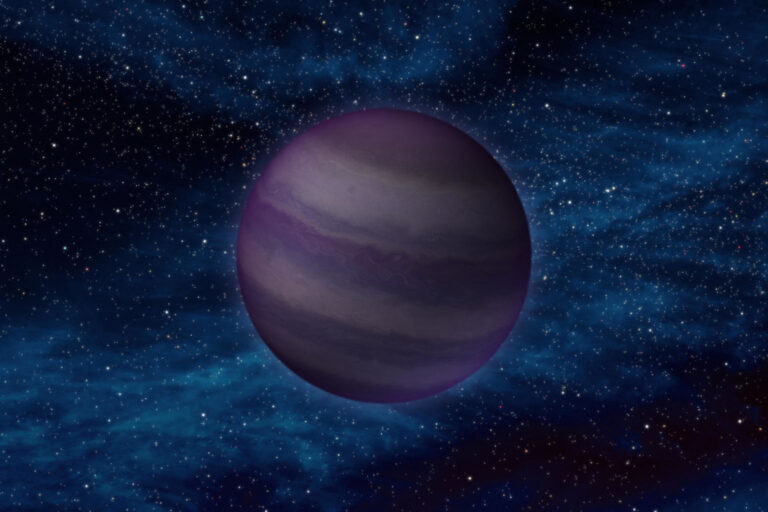
The James Webb Space Telescope has watched the weather change on WISE 0855, the coldest known brown dwarf. Over 11 hours, high water clouds grew thicker and thinner, and gases rose from deep inside the object. A team led by…
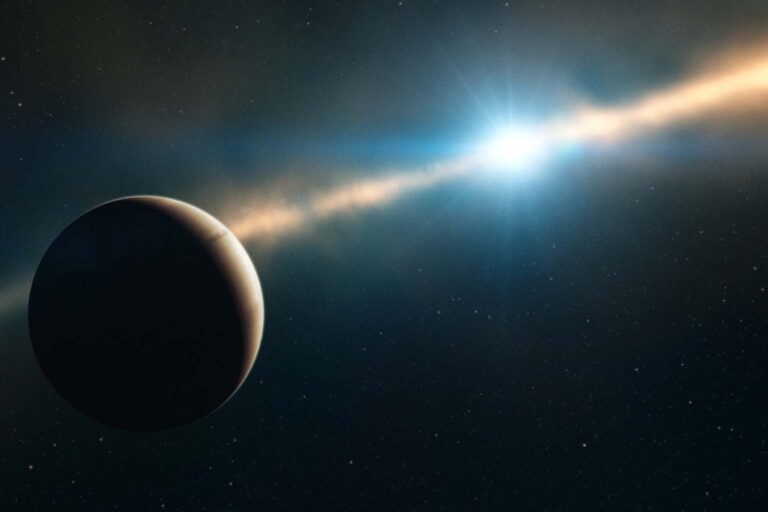
Astronomers say they have detected radio emission coming directly from a planet outside the solar system for the first time. The source is Beta Pictoris b, a gas giant about 63 light-years from Earth. The signal points to a very…

For the first time, astronomers have detected radio waves originating directly from a planet outside our Solar System — a discovery that opens a new window into the magnetic environments of distant worlds and the search for habitable exoplanets.
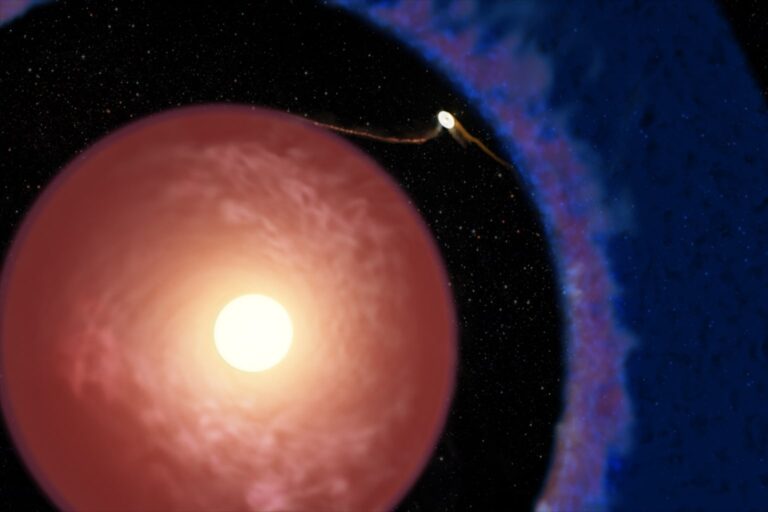
A team of astronomers has confirmed the youngest exoplanet ever detected, a Jupiter-mass world less than one million years old that is still actively growing within the swirling disk of gas and dust around its host star. The discovery, published…
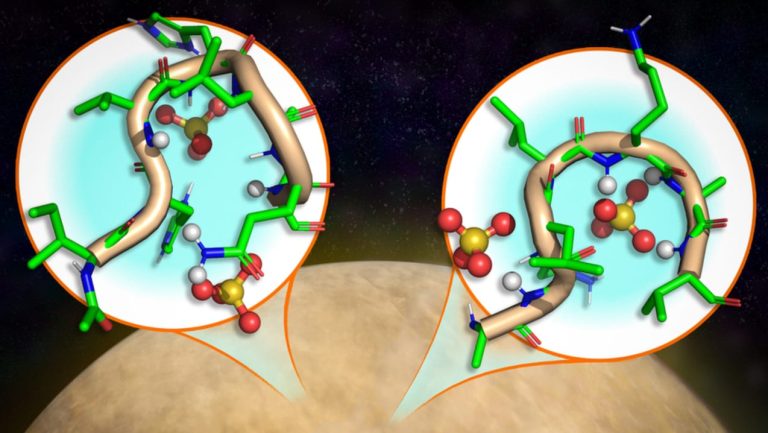
Peptides can not only survive but fold into biologically useful shapes in the sulfuric acid clouds that blanket Venus, according to new research from MIT, challenging long-held assumptions about where life might take root beyond Earth.
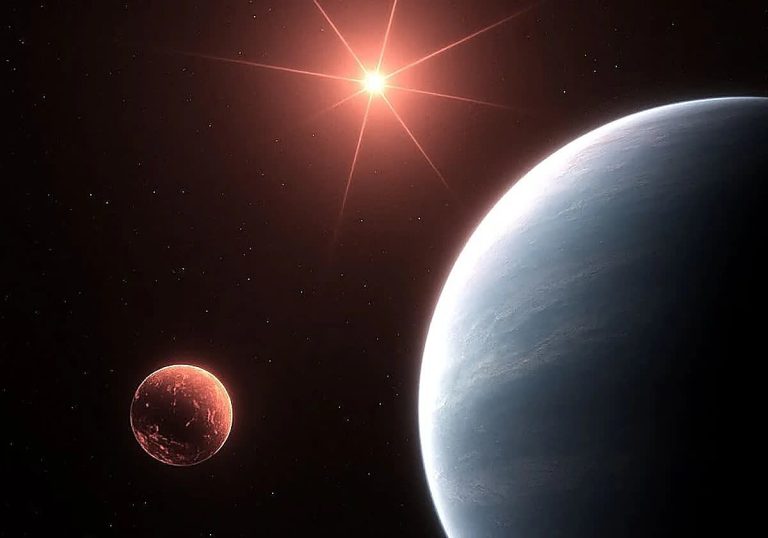
An international team led by Spain's Institute of Astrophysics of Andalusia (IAA-CSIC) has confirmed the existence of a two-planet system 337 light-years from Earth, one of whose worlds sits in a zone where liquid water could persist on its surface.…

An international team of astronomers has reported the first detection of semi-heavy water in the atmosphere of an exoplanet, using the James Webb Space Telescope to analyze the hot Jupiter WASP-39b roughly 700 light-years from Earth. The finding, published on…
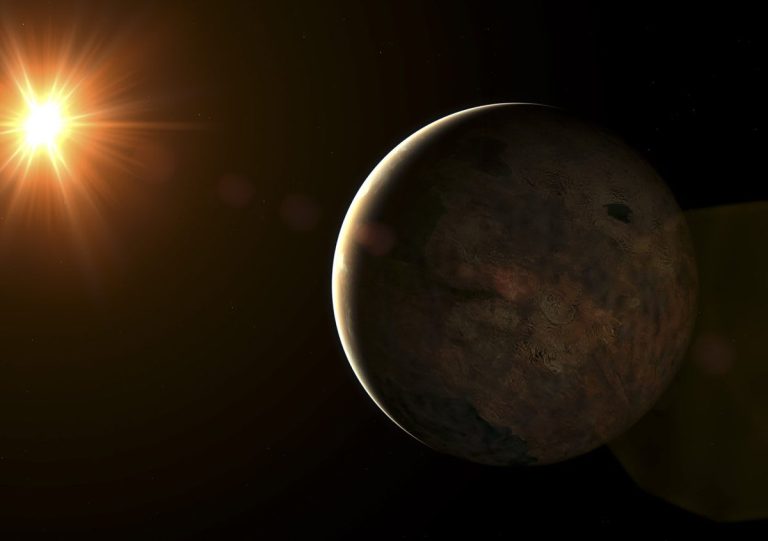
Astronomers have for the first time confirmed an atmosphere around a rocky, temperate planet beyond our solar system, a discovery that marks a turning point in the decades-long search for potentially habitable worlds.
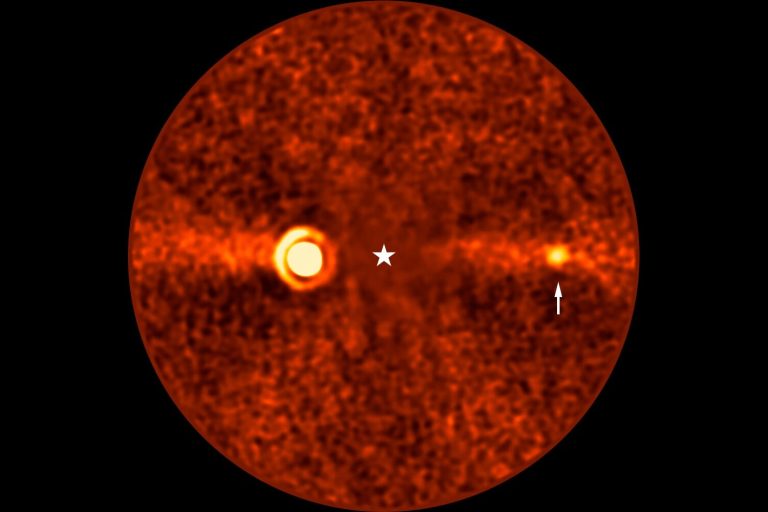
After more than a decade of hiding in plain sight, a third planet has been confirmed orbiting the young star Beta Pictoris — and it is the faintest exoplanet ever directly imaged from Earth.
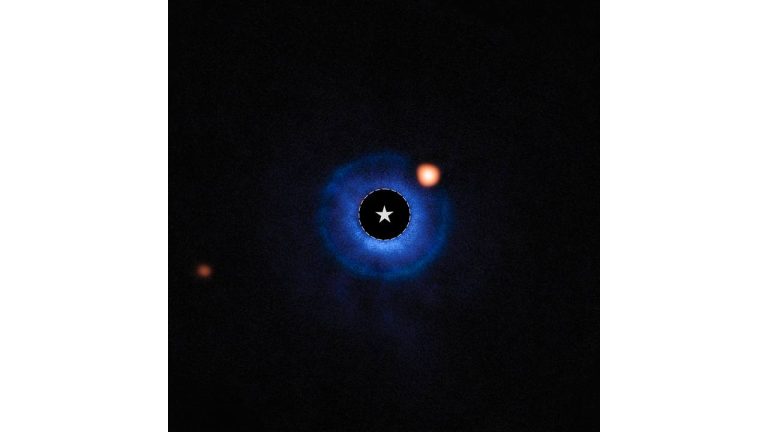
Astronomers have confirmed the discovery of Beta Pictoris d, a giant gas planet that hid in plain sight for more than a decade, making it the faintest exoplanet ever directly imaged from Earth. NASA released the findings on Wednesday, July…

NASA's James Webb Space Telescope has delivered the first atmospheric characterization of a planet orbiting a dead star, solving the mystery of how a Jupiter-sized world ended up in an impossibly tight orbit around a white dwarf remnant — and…

The European Space Agency's Euclid space telescope has produced the largest and most detailed visible-light photograph ever taken of the Milky Way's galactic center, revealing more than 60 million stars in a six-gigapixel mosaic released on Wednesday, June 24.

New observations from the James Webb Space Telescope have uncovered clouds made of salt swirling through the atmosphere of GJ504b, a mysterious magenta-hued world discovered more than a decade ago. The finding, published Wednesday in the Astronomical Journal, provides some…