Newsletter Subscribe
Enter your email address below and subscribe to our newsletter
[forminator_form id="25163"]

All voices matter
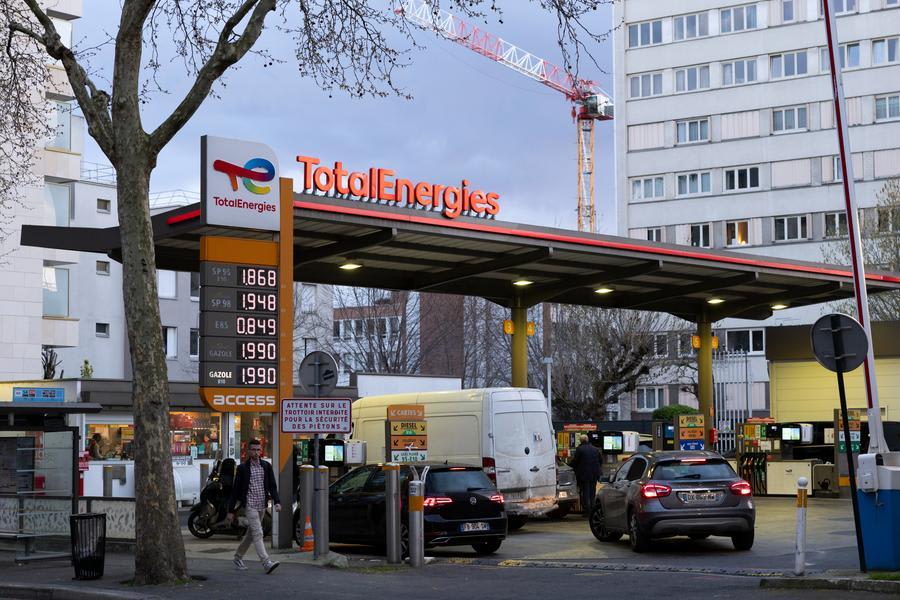
reutersecb.europa+1reuters+1The specter of stagflation is tightening its grip on European economies as surging energy prices push inflation further above central bank targets and force policymakers into unwanted rate hikes, even as growth shows signs of faltering.
Eurozone annual inflation accelerated to 3.3% in August from 2.9% in July, the highest reading since September 2024, driven almost entirely by rising energy costs linked to the war in the Middle East, according to Eurostat. On a monthly basis, energy prices alone climbed 2.9% in August. The European Central Bank responded on September 10 by raising its three key interest rates by 25 basis points, lifting the deposit facility rate to 2.5%.ecb.europa+2
Oil futures have climbed back above $100 a barrel, roughly 50% higher than before the Iran war, while diesel prices are approaching record highs and European natural gas has reached levels not seen since 2022. The derivatives market suggests traders expect no near-term relief. Online prediction market Polymarket shows users attach just an 18% probability to the Strait of Hormuz reopening by December.reuters
"Up until now, it's just been a commodities and rates story. It's not been an equity and credit story. We're starting to worry that we might be getting to a point where it starts having equity and credit effects," Chris Jeffery, head of macro strategy at LGIM, told Reuters.reuters
The ECB's latest staff projections forecast headline inflation averaging 3.0% in 2026 and 2.5% in 2027, while swaps markets price eurozone inflation at around 3.5% next year. Traders now expect almost a full percentage point in further ECB rate increases over the next 12 months, and at least two more hikes from the Federal Reserve following its own 25-basis-point increase on Wednesday.ecb.europa+1
The outlook for household energy bills is particularly grim. European gas storage stands at just 67% heading into autumn, the lowest level since records began in 2011. U.S. consumer discretionary stocks are the worst performers on Wall Street this year, down nearly 6%, while their European counterparts have fallen 17%.news.err+1
In Estonia, energy officials are sounding alarms about the coming winter. Tiit Hõbejõgi, head of energy trading at Enefit, noted that variable costs for gas-fired power plants have nearly doubled over the past year, rising from around €100 per megawatt-hour to €180/MWh. Nordic hydropower reservoirs sit at their lowest levels in 30 years after a cold winter and hot, dry summer, reducing the availability of cheap electricity imports for Baltic states.streamlinefeed+1
Economic growth has so far held up, buoyed by AI-related spending. S&P 500 company earnings grew an estimated 53% year-on-year in the second quarter, and recent PMI data pointed to solid expansion in the U.S. and Europe through July and August. But the Bank of England, which held rates steady on Thursday, warned it expects UK inflation to top 4% by early 2027.reuters
"The energy market is becoming increasingly volatile, with price swings occurring not over months or weeks but in 15-minute intervals," Hõbejõgi wrote. "Consumers must assess their ability to cope with fluctuating prices and risks".news.err