Newsletter Subscribe
Enter your email address below and subscribe to our newsletter
[forminator_form id="25163"]

All voices matter
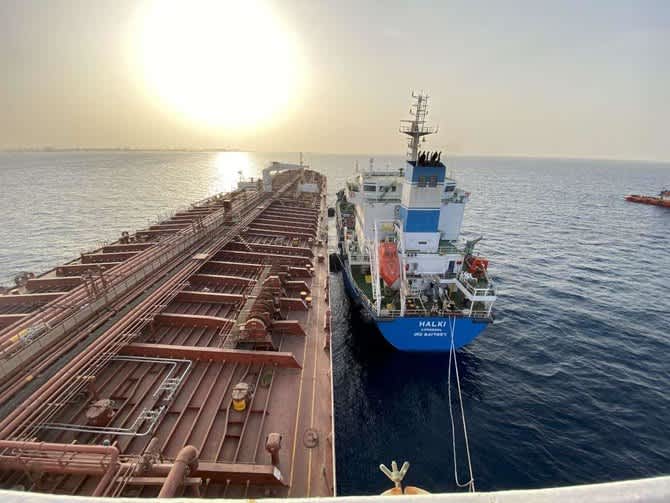
bloombergrigzone+1marinelinkSaudi Aramco is deploying a fleet of tankers to shuttle crude oil northward through the Red Sea, circumventing Houthi militant attacks that have targeted the kingdom's exports through the Bab el-Mandeb chokepoint in the south.
Shipowners including South Korea's Sinokor Group, Greece's Dynacom, and Norway's DHT Management AS have been ferrying cargoes from the Red Sea export terminal at Yanbu to Ain Sukhna, where oil is discharged and piped north to the Mediterranean port of Sidi Kerir, according to Bloomberg. Saudi crude exports via the northern Red Sea have increased by about a third since the Houthis announced their blockade on July 20, reaching approximately 1.1 million barrels a day, according to data from Kpler. At least four tankers have completed the Yanbu-to-Ain Sukhna journey twice or more, transferring about 16.3 million barrels.rigzone+1
"Tanker operators with higher risk tolerance have entered the trade, facilitating shuttle tanker movements between Yanbu and Ain Sukhna so crude supplies can be transported, and Saudi Aramco customers can pick up crude directly at Sidi Kerir instead of Yanbu," said Xavier Tang, senior market analyst at Vortexa.rigzone
Separately, Saudi Aramco has resumed oil loadings from within the Strait of Hormuz after a three-week gap, offering spot heavy crude cargoes via ship-to-ship transfers in Fujairah, according to Reuters. Between August 12 and 16, three very large crude carriers — Malaysia Prosperity, Algeria Prosperity, and Singapore Prosperity — each loaded 2 million barrels from the Juaymah terminal and Ras Tanura. Kpler data shows six more VLCCs may load Saudi oil in the strait by the end of August.marinelink
The rerouting carries costs. Saudi crude shipments via the Mediterranean require tankers to sail around southern Africa to reach the kingdom's main customers in Asia, adding weeks to each journey. Emma Li, Vortexa's China market analyst, noted that the Sidi Kerir route to Asia "is probably not working" for customers unhappy with long voyages and high freight costs.marinelink+1
Meanwhile, Chinese state refiners have moved to secure Saudi barrels through a rare spot tender, an unusual step given Aramco's typical reliance on rigid term contracts. The combination of shuttle operations, resumed Hormuz loadings, and spot sales reflects the scale of disruption facing the world's largest oil exporter as it works to keep global markets supplied amid escalating maritime conflict.streamlinefeed