Newsletter Subscribe
Enter your email address below and subscribe to our newsletter
[forminator_form id="25163"]

All voices matter
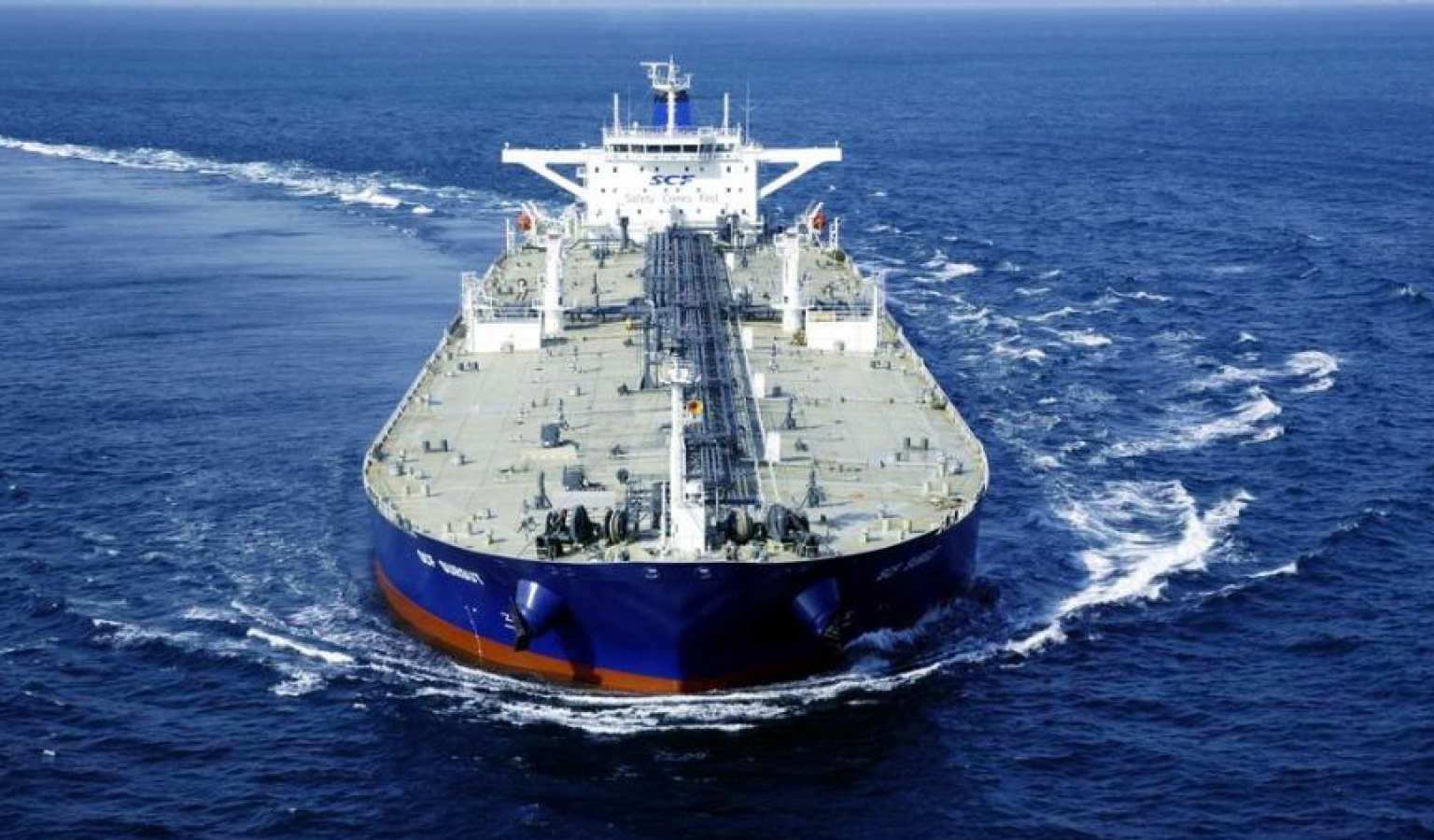
ft+1aa+1reuters+1Greek shipping companies generated at least $3.8 billion from transporting Russian oil over the past three years, according to an investigation by the Financial Times published Monday, exposing weaknesses in the G7 sanctions regime designed to limit Moscow's energy revenues.ft+1
Eight of the top 20 highest-earning firms involved in the trade were Greek, with Dynacom Tankers topping the list at more than $915 million in revenue from Russian crude — nearly a quarter of the total. Stealth Maritime and the Onassis Group were also among the top earners.aa+1
The trade is technically permitted under the G7 price cap mechanism, which allows Western shipping companies to transport Russian oil provided it is sold below a set ceiling. The cap, originally $60 per barrel when introduced in December 2022, was lowered to $47.60 per barrel after the EU adopted a floating mechanism in 2025 that keeps the ceiling 15 percent below prevailing market prices. Greek tankers have been used to transport between 10 and 20 million barrels of Russian oil monthly.facebook+2
The scale of the earnings highlights what critics say is a fundamental flaw in the sanctions architecture: while the price cap was designed to reduce Russia's revenues, it simultaneously created a lucrative opportunity for Western shipowners willing to remain in the trade. Some Greek operators deployed brand-new vessels to carry Russian crude amid record freight costs in late 2025 and early 2026.unn
The findings come as the United States and European Union weigh replacing the price cap with a comprehensive ban on maritime services for Russian oil exports. According to Reuters Thomson Reuters Corporation , discussions among G7 nations on such a ban have been underway since late 2025, with British and American officials advancing the proposal during technical meetings.reuters
The EU's proposed 20th sanctions package included a measure to prohibit EU companies from providing maritime services for Russian crude regardless of price — a shift from price enforcement to outright service denial. The EU has also expanded its list of designated oil tankers to 640 vessels.linkedin
A potential peace agreement with Ukraine could further reshape the landscape, potentially restricting or terminating Greek shipping activity in the Russian oil market entirely. For now, Greek shipowners remain the largest Western participants in a trade that has proven both legal and deeply controversial.