Newsletter Subscribe
Enter your email address below and subscribe to our newsletter
[forminator_form id="25163"]

All voices matter
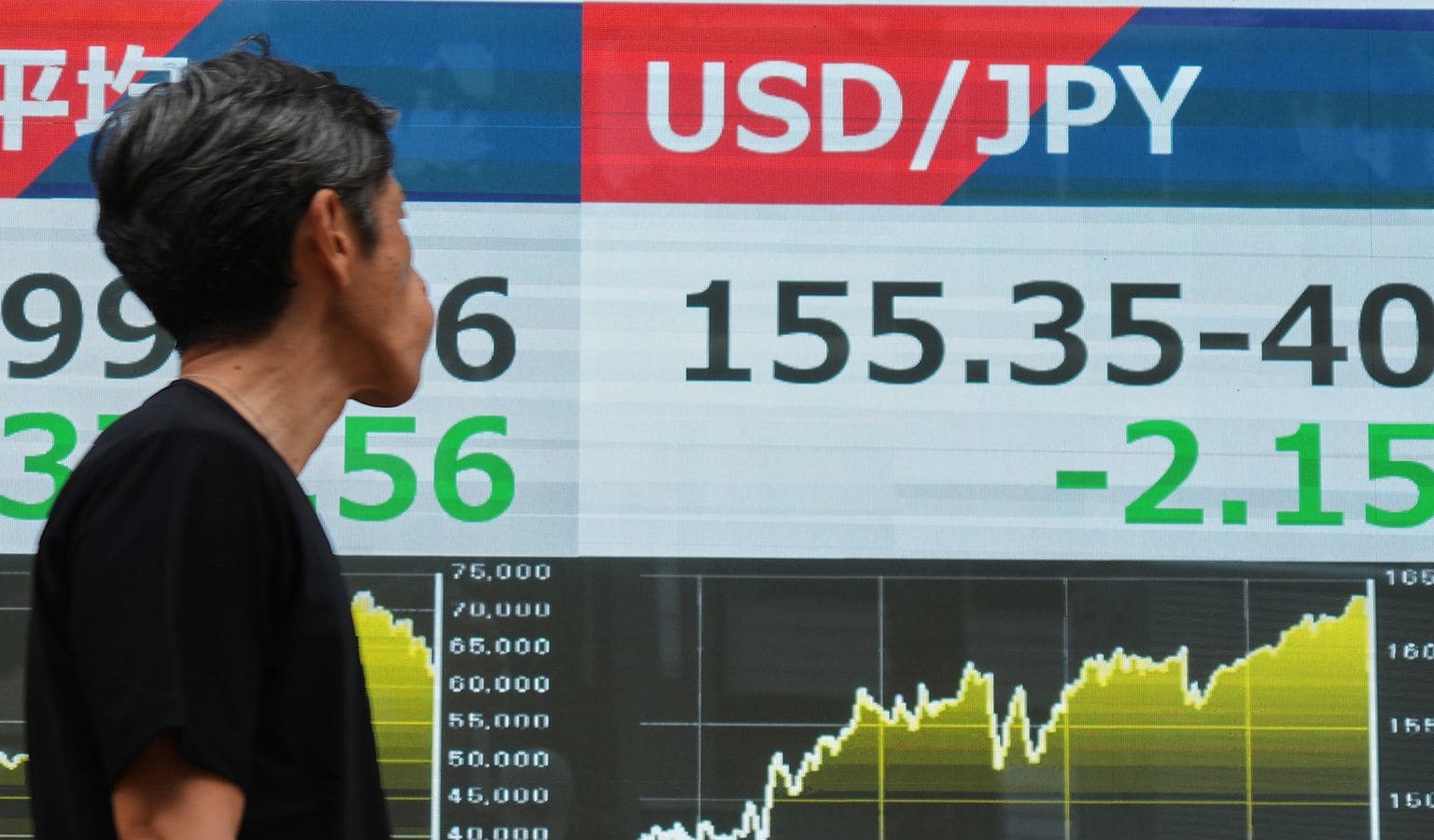
businessinsiderbusinesstimesbusinessinsider+1Goldman Sachs The Goldman Sachs Group, Inc. pushed back on Thursday against concerns that last month's joint US-Japan currency intervention could undermine the dollar's status as the world's dominant reserve currency, arguing the episode instead highlights why no credible alternative exists.
The intervention on July 31 marked the first time in more than two decades that the US Treasury directly acted in foreign exchange markets to support another country's currency. Acting through the Federal Reserve Bank of New York, the US sold euros to buy yen, joining a Bank of Japan operation that may have deployed $53 billion, according to the Business Times. It was the first joint US-Japan yen-buying operation since 1998.businesstimes
The yen had fallen to a 40-year low against the dollar before the intervention, which pushed the currency from roughly 164 to around 158 per dollar. Treasury Secretary Scott Bessent has proposed increasing the $60 billion cap on the Fed's Foreign and International Monetary Authorities (FIMA) repo facility, which allows foreign central banks to temporarily raise dollars against their Treasury holdings without selling them outright.businessinsider+1
Critics have argued that the Treasury's willingness to help Japan avoid selling Treasuries implies Washington could someday block other reserve managers from doing so — a dynamic that could make central banks less comfortable holding dollar assets. Goldman analysts including Michael Cahill called that reasoning "quite a leap" in a note published Thursday.theedgemarkets+1
"We are sceptical of arguments that this is negative for the dollar's reserve status," the strategists wrote. They said the FIMA facility and the Treasury's actions demonstrate "that no one else can come close to competing with the US dollar's usefulness, network effects, and supporting infrastructure right now."theedgemarkets
Goldman argued the dollar's core advantage remains intact: the depth and liquidity of US capital markets allow central banks to build reserves in normal times and access them under stress. "When it comes time to intervene, most central banks still need Dollars," the analysts wrote.businessinsider
Not all observers share Goldman's sanguine view. Barry Eichengreen, writing in the Financial Times, said the intervention "contains troubling information about the dollar," noting that the decision to use euros rather than sell Treasuries reflected concern about "additional strain on the long end of the US Treasury market." Matt King of Satori Insights told the New York Times that the decision "ultimately says as much about US vulnerabilities as they do about Japan."wsws
Goldman acknowledged longer-term risks to dollar dominance, including uncertainty around US institutions, but maintained that Japan's experience — as the largest foreign investor in the $31 trillion Treasuries market — underscores an advantage rival reserve assets struggle to match.bloomberg+1