Newsletter Subscribe
Enter your email address below and subscribe to our newsletter
[forminator_form id="25163"]

All voices matter
reutersreuters+1theedgemalaysia+1A sweeping global bond selloff drove U.S. 10-year Treasury yields to approximately 4.97% on Friday, their highest level since late 2023 and within reach of the psychologically critical 5% threshold, as surging oil prices and rising expectations of a Federal Reserve rate hike unsettled investors worldwide.reuters+1
The selloff, fueled by a confluence of factors including Brent crude futures hitting a four-month high near $110 a barrel, hawkish central bank signals, and ballooning government debt across developed economies, has sent borrowing costs from Tokyo to London to multi-decade highs.reuters
The sharp rise in energy prices has been the primary catalyst. Brent crude surged roughly 13% this week after Iran-aligned Houthis seized control of Yemen's port city of Mocha and advanced along the Red Sea coast, stoking fears of prolonged supply disruptions. With oil well above $100 a barrel, traders have rapidly repriced the odds of a Fed rate increase at its meeting concluding September 16, with CME Group's FedWatch tool showing a 72% implied probability of a 25-basis-point hike, up from 49% a week earlier.globalbankingandfinance+1
"We're seeing a perfect storm of higher oil prices, more inflation fears, central bank hawkishness and ongoing concerns over fiscal deficits all combining to push global yields higher," said Mansoor Mohi-uddin, chief macro strategist at Bank of Singapore.reuters
Markets are now focused on U.S. consumer price index data due later Friday. The European Central Bank already raised rates on Thursday for the second time this year, warning that price pressures could prove lasting. The Bank of Japan is widely expected to raise rates to a 31-year high next week.globalbankingandfinance+1
The damage has spread well beyond Treasuries. Australia's three-year government bond yields surged 18 basis points to a 15-year high, Japan's 10-year yields rose to 2.97%, and New Zealand's bonds fared particularly badly, with two-year yields climbing 25 basis points. Germany's bund futures slipped near their lowest since 2011, while French OAT futures fell to a record low.theedgemalaysia+1
"Hitting 5% on the 10-year Treasury yield looks more like an inevitability here than a forecast," said Padhraic Garvey, head of research for the Americas at ING Groep . "These are worrying times for bond markets."theedgemalaysia
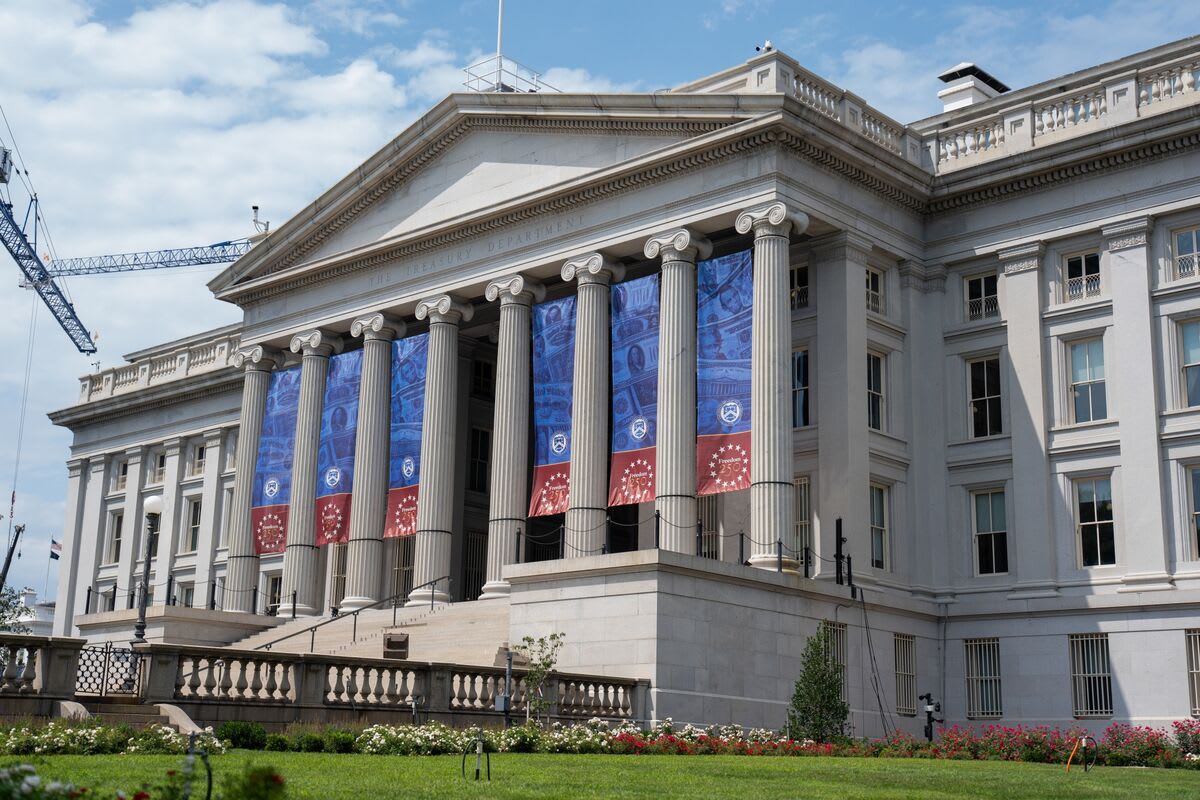
Treasury Secretary Scott Bessent sought to downplay concerns, saying the Treasury market is in "very good shape." But confidence was dented after the Treasury Department's expanded bond buyback operation purchased only $5.2 billion worth of bonds — below the $6 billion cap and half of the $10.5 billion offered.theedgemalaysia+1
A sustained move above 5% would carry broad consequences, raising mortgage rates, corporate borrowing costs, and the government's own debt-servicing burden ahead of midterm elections. Some analysts see it as a level that could pull capital out of equities and into bonds.reuters+1
"A lower US CPI and a Fed hike are really the only circuit breakers I see at this point," said Michael Tang, a rates strategist at Commonwealth Bank of Australia in Sydney.theedgemalaysia