Newsletter Subscribe
Enter your email address below and subscribe to our newsletter
[forminator_form id="25163"]

All voices matter
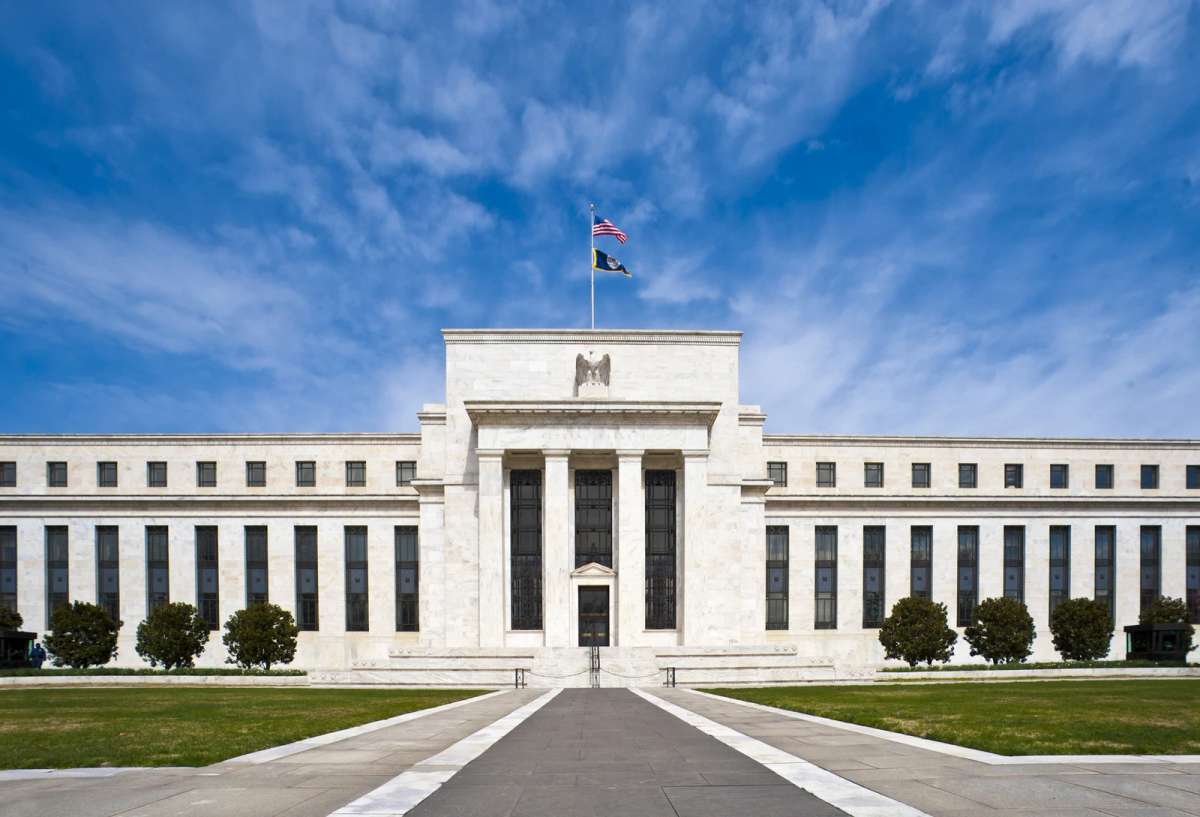
finance.biggo+1bolnewsfinance.biggo+1The Federal Reserve and Bank of England have begun questioning global banks about their exposure to large trading firms following a market shock in July that left Jane Street Capital with a $15 billion loss, according to a Financial Times report published Monday.finance.biggo+1
The coordinated regulatory push was triggered by the near-collapse of Situational Awareness, an AI-focused hedge fund run by former OpenAI researcher Leopold Aschenbrenner. The fund was forced to liquidate most of its public equities portfolio — selling to Citadel Securities — after a sharp sell-off in AI and chip stocks, a fire sale that contributed directly to Jane Street's multibillion-dollar hit.bolnews+1
Central bank officials are seeking detailed information on trading firms' risk appetite, how banks' exposure to those firms evolved during the trading day, and how internal risk controls functioned when markets turned, the FT reported, citing people familiar with the matter. The scope of the inquiries extends beyond Jane Street to include other market makers and proprietary trading firms, including Ken Griffin's Citadel Securities.finance.biggo+1
If regulators determine that banks are shouldering excessive risk through their relationships with trading firms, they have the authority to require those banks to hold additional high-quality liquid assets as a buffer.finance.biggo
The Bank of England has separately examined the rapid growth of Asian equity financing handled by London-based prime brokers, particularly after AI-linked stocks such as SK Hynix posted extraordinary gains earlier this year.finance.biggo
The episode underscores how much the trading landscape has changed since the 2008 financial crisis. Specialist firms such as Jane Street, Citadel Securities, Susquehanna, and Hudson River Trading have expanded rapidly as banks retreated from proprietary trading under post-crisis regulations. Many began as market makers but have since built substantial proprietary trading operations that take directional bets on markets.finance.biggo
By early August, Jane Street had generated $40 billion in net trading revenues, surpassing its prior-year record, according to the FT. But the scale of the July loss suggested the firm had taken on far more risk than a typical market maker would.finance.biggo
The U.S. Securities and Exchange Commission has already taken action. In August, the SEC subpoenaed Wall Street banks including Goldman Sachs , JPMorgan , Citigroup , and Bank of America , examining Situational Awareness's trading activity and use of leverage following its near-collapse.bolnews+1
The Federal Reserve, the Bank of England, and Jane Street did not immediately respond to requests for comment.devdiscourse+1