Newsletter Subscribe
Enter your email address below and subscribe to our newsletter
[forminator_form id="25163"]

All voices matter
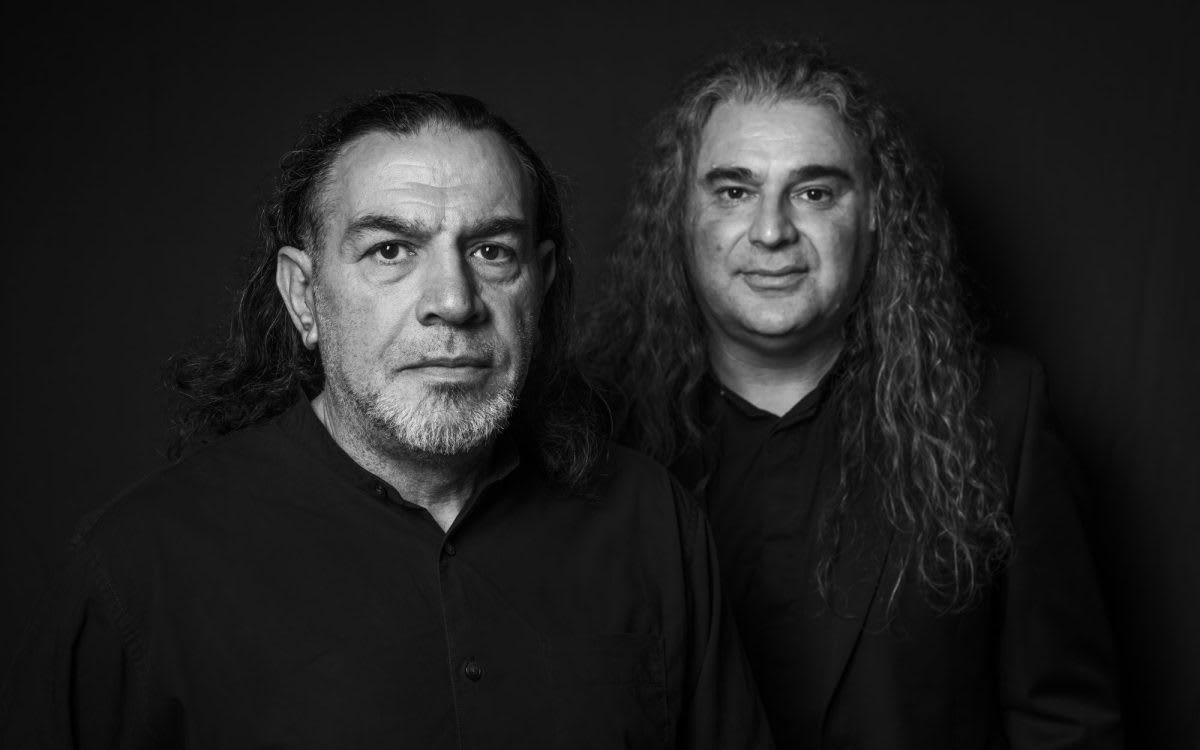
theartnewspaper+2.news.artnet+1.news.artnet+1.theartnewspaper+2.theartnewspaper+1.According to SBS News, Creative Australia has reinstated renowned Lebanese-Australian artist Khaled Sabsabi and curator Michael Dagostino as Australia's representatives at the 2026 Venice Biennale, reversing a controversial February decision that had sparked widespread protests from the arts community and led to several high-profile resignations.
The controversy surrounding Khaled Sabsabi's artwork titled "You" stems from accusations that it glorifies Hezbollah, which is designated as a terrorist organization in Australia. This sparked a political firestorm that led to Creative Australia's initial decision to withdraw Sabsabi's appointment as Australia's representative at the 2026 Venice Biennale. The organization claimed the "prolonged and divisive debate" posed "an unacceptable risk to public support for Australia's artistic community."youtube
The incident quickly escalated into a broader debate about censorship versus sensitivity in art. While Arts Minister Tony Burke denied influencing the decision, many in the arts community viewed it as political interference. The backlash was immediate and significant, with several key figures resigning in protest, including Mikala Tai (head of Creative Australia's visual arts department), arts philanthropist Simon Mordant (who also withdrew funding), and board member Lindy Lee, who described the decision-making process as "fraught and heartbreaking." Critics of the cancellation labeled it censorship, while defenders argued it was about responsible use of public funds rather than silencing artistic expression.youtube
In response to the controversy surrounding Sabsabi's selection and subsequent reinstatement, Creative Australia commissioned governance advisory firm Blackhall & Pearl to conduct an external review of its decision-making processes for the 2026 Venice Biennale. The review, released in July 2025, was damning in its assessment, finding that the arts body was "unprepared for the risk of controversy in an atmosphere of antisemitism and Islamophobia." This governance failure prompted Creative Australia to publicly apologize to Sabsabi and Dagostino, acknowledging the hurt caused by rescinding its original decision.visualarts+1
The National Association for the Visual Arts (NAVA) welcomed the review as "a step toward greater transparency" but cautioned that without "a clear commitment to public accountability and sector engagement, it risks being a procedural exercise rather than a meaningful effort to restore trust." This incident occurred during a period of significant transition for the organization, which had been rebranded from Australia Council to Creative Australia in 2023 as part of an expanded mandate under the Australia Council Amendment (Creative Australia) Act 2023. The controversy has raised broader questions about the independence of arts funding in Australia, with NAVA emphasizing that "strong, transparent governance is essential to maintaining sector confidence and safeguarding arms-length decision-making in the arts."linkedin+1
The decision to withdraw Sabsabi and Dagostino's appointment triggered immediate and forceful backlash from Australia's arts community. All five teams originally shortlisted for the Australian Pavilion released an open letter demanding reinstatement, describing the reversal as "antithetical to the goodwill and hard-fought artistic independence, freedom of speech and moral courage that is at the core of arts in Australia." The controversy prompted multiple high-profile resignations, including Mikala Tai (head of Creative Australia's visual arts department), program manager Tahmina Maskinyar, and board member Lindy Lee.theartnewspaper+1
Perhaps most notably, Simon Mordant, who had twice served as Australian Commissioner at the Venice Biennale, resigned as ambassador and withdrew his significant financial pledge, stating: "It is a very dark day for Australia and the arts." The National Association for the Visual Arts condemned the decision as "driven by political pressure and misrepresentation," warning it "undermines the integrity of independent arm's length arts funding." The controversy extended beyond Australia's borders, with international art circles viewing the incident as potential censorship, leading to further exhibition cancellations including an "indefinitely postponed" show at Monash University Museum of Art that would have featured Sabsabi's work.biennialfoundation+2