Newsletter Subscribe
Enter your email address below and subscribe to our newsletter
[forminator_form id="25163"]

All voices matter
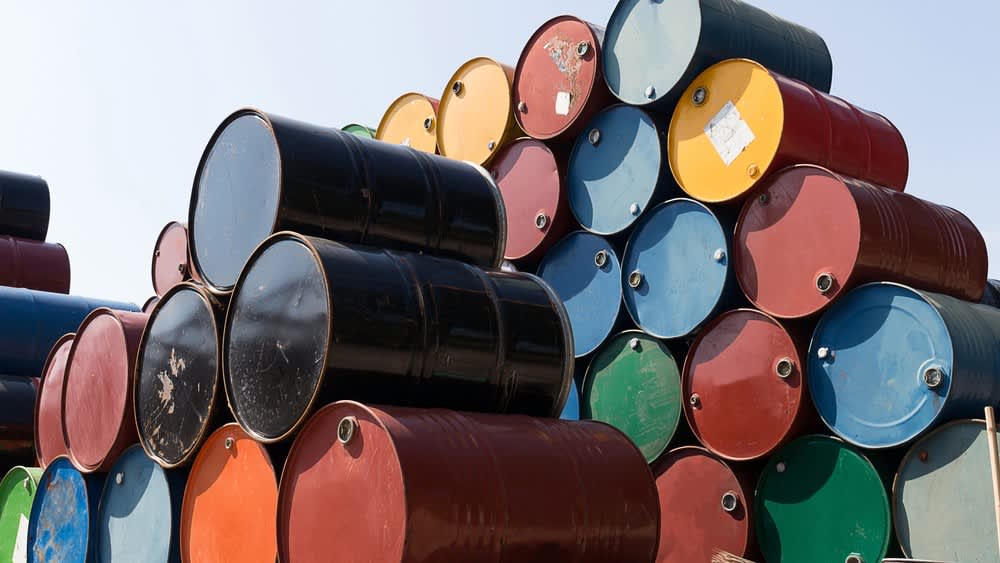
bairdmaritime+1bairdmaritime+1bairdmaritime+1Brent crude has rallied to a six-week high near $97 a barrel but remains below the psychologically important $100 threshold, even as the US-Iran conflict has cut Middle East oil shipments nearly in half and disrupted flows through the Strait of Hormuz. The gap between benchmark prices and physical market conditions — where cargoes are already trading above $100 — reflects a market absorbing a severe supply shock through alternative routes, weaker demand and non-OPEC production gains.
Crude shipments from Middle East producers have fallen to about 11 million barrels per day from 18 million bpd before the Iran war began seven months ago, according to Argus. Flows through Hormuz dropped below two million bpd after fighting resumed on August 30, and no very large crude carrier has been spotted exiting the strait since September 2, Kpler data showed. Yet the daily moving average remains around four to five million barrels, which Rystad Energy chief economist Claudio Galimberti said corresponds to a "fair" Brent price of about $95.bairdmaritime+3
Gulf producers have adapted by rerouting exports. Saudi Aramco resumed loadings from its Ras Tanura port in August, while shipments from Egypt's Sidi Kerir terminal more than doubled from June to reach 2.139 million bpd. Iraq's exports rebounded to around 2.34 million bpd, and UAE shipments held near 2.9 million bpd. Non-OPEC producers including the US, Canada and Guyana are set to add a combined 1.4 million bpd this year, according to Rystad Energy founder Jarand Rystad.business-standard+3
On the demand side, China — the world's largest crude importer — has slashed seaborne purchases to about seven million bpd in July and August from over 11 million bpd in February, with reserves estimated at 1.7 billion barrels providing further market comfort.news.abplive+1
While benchmarks remain below $100, physical crude markets paint a different picture. Oman futures stood at $104.54 a barrel and cash Dubai at $105.10, with spot premiums of $19 to $20 above Dubai quotes for November-loading cargoes, according to Reuters data. "Physically things are incredibly tight," said David Fyfe, chief economist at Argus. "You've got a diesel market that is screaming shortage."bairdmaritime+2
Russell Hardy, CEO of the world's largest independent oil trader Vitol, described global fuel markets as "pretty, pretty tight and inflexible," noting that only one million bpd of refined products are making it through Hormuz out of an estimated 10 million bpd in outbound flows. US refineries ran at 98% utilization at the end of August — an unsustainable rate — while Russia has banned diesel exports through at least the end of September.oilprice
Morgan Stanley now expects Brent to average $100 a barrel in the fourth quarter, while Goldman Sachs raised its Brent and WTI forecasts by $5 a barrel for December 2026 and 2027, citing expectations that Middle East shipping disruptions will persist into next year. Iran's parliament speaker has warned that further US attacks on Iranian oil assets would prompt retaliatory strikes on Western energy interests in the Gulf, a threat that could narrow the gap between benchmark prices and the tighter reality already visible in physical markets.businesspost+2