Newsletter Subscribe
Enter your email address below and subscribe to our newsletter
[forminator_form id="25163"]

All voices matter

bloomberg+1reutersbusinesstimes+1The Bank of Japan held its benchmark interest rate steady at 1% on Friday at the conclusion of a two-day policy meeting, an outcome predicted by all 52 economists surveyed by Bloomberg. The decision came just weeks after the BOJ raised rates in June to their highest level since 1995, and amid growing expectations that another hike could come as soon as October.bloomberg+1
While standing pat on rates, the BOJ signaled its resolve to continue pushing up borrowing costs as mounting price pressures from a weak yen and the Middle East conflict risk driving underlying inflation above its 2% target, according to Reuters. The hawkish posture echoed signals from other central banks grappling with inflation risks tied to the Iran war-induced energy shock. The meeting followed the U.S. Federal Reserve's decision on Wednesday to keep rates steady, though three Fed dissenters called for a quarter-point hike.reuters
The BOJ's quarterly outlook report revised upward its growth forecast for fiscal 2026, reflecting receding fears of a severe economic hit from the Middle East conflict, sources told Reuters. The board also trimmed its inflation forecast, citing the effect of government subsidies and a drop in oil costs from April levels, though the downgrade was expected to remain modest given jittery energy markets and rising import costs.wtvbam+1
Most analysts polled by Reuters expect the BOJ to raise rates again to 1.25% by year-end. Markets have grown increasingly confident of an earlier move — overnight index swaps implied roughly a 74% chance of another hike by October, up from about 50% after the June meeting, according to Bloomberg. The yen's slide to a 40-year low has amplified import costs for a country that imports virtually all of its energy and more than half its food.businesstimes+1
"My baseline scenario remains that the BOJ raises rates roughly once every six months. However, given the improving growth backdrop, together with accelerating import-price inflation, the possibility of a faster pace of tightening cannot be ruled out," said Kei Fujimoto, senior economist at SuMi Trust.reuters
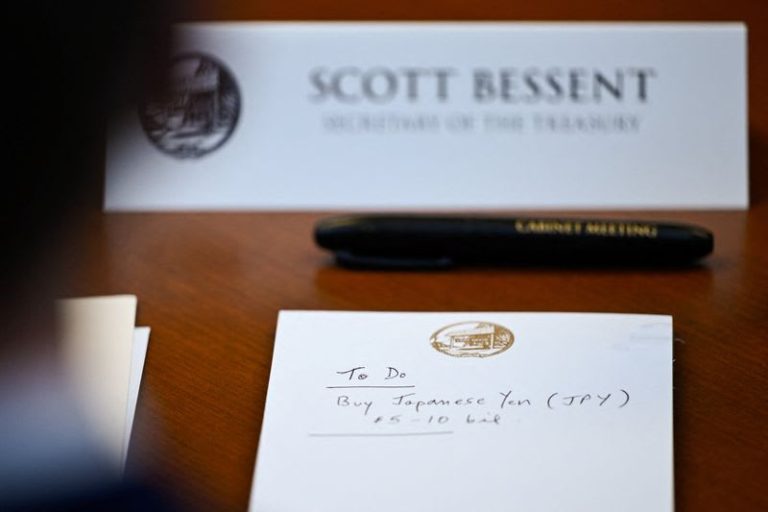
Governor Kazuo Ueda, presiding over the meeting for the first time since returning from hospitalization for a liver cyst infection, faces competing pressures. The U.S. Treasury Department last week flagged the need for continued BOJ policy normalization, citing "substantial yen undervaluation". At the same time, a dovish domestic administration and the potential economic fallout from a 7.1-magnitude earthquake in Kumamoto — home to plants of major manufacturers and chipmakers — may temper the pace of tightening. Core consumer inflation stood at 1.6% in June, below the BOJ's 2% target for a fifth straight month, though analysts expect it to climb back above that threshold later this year as surging producer prices filter through to the broader economy.businesstimes+2