


Newsletter Subscribe
Enter your email address below and subscribe to our newsletter
[forminator_form id="25163"]

All voices matter
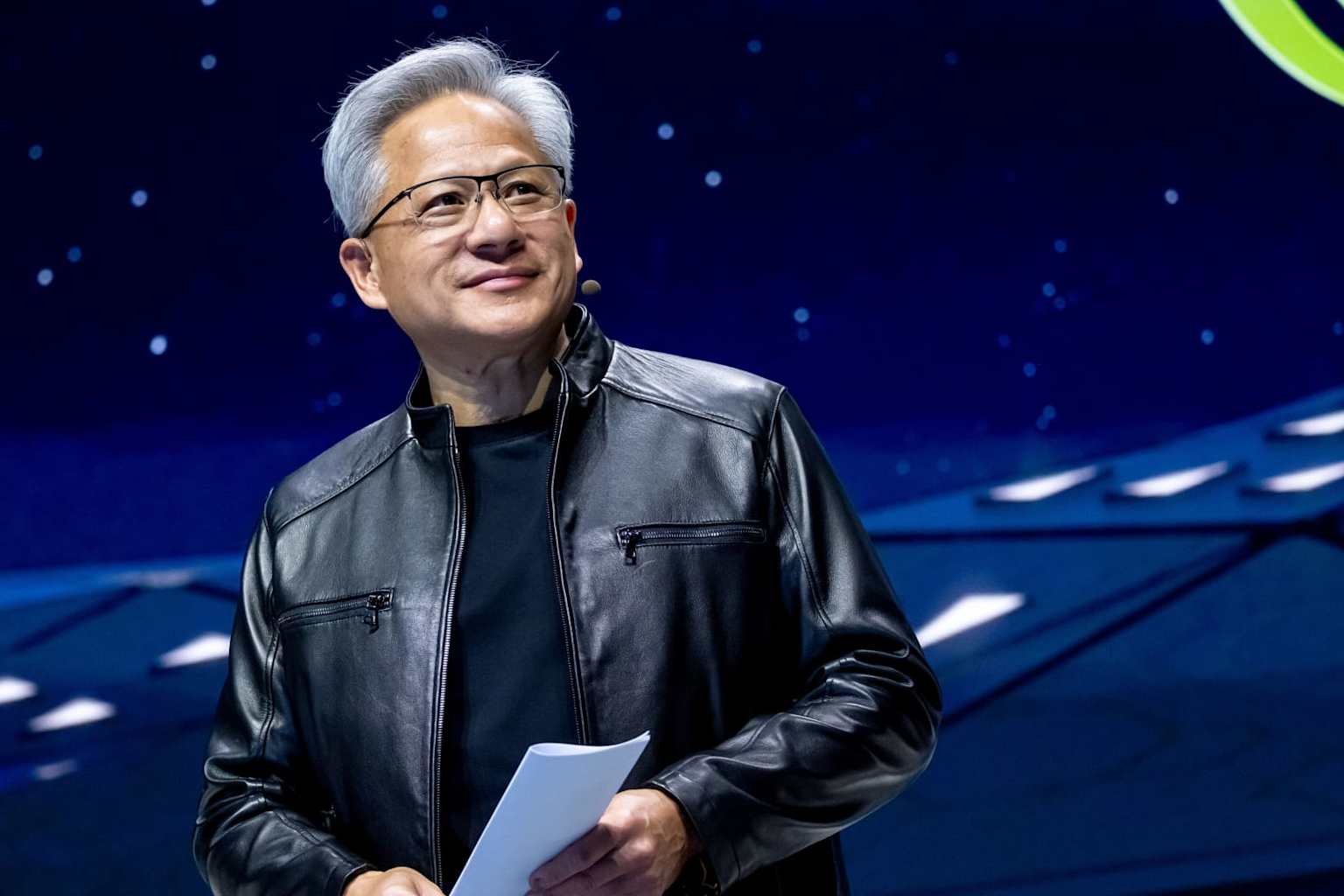
wsj+1.nvidianews.nvidia+1.news.futunn.Nvidia's record buyback plan is drawing questions about how much cash the chipmaker actually has left to give back to shareholders. The doubts center on a phrase Nvidia has added to its capital-return language: it will return excess free cash flow "net of strategic uses." According to an analysis by The Wall Street Journal News Corp , the phrase means the company's growing stakes in other companies come out of the cash that would otherwise fund buybacks and dividends.news.futunn+1
On Sept. 28, the board added $150 billion to the repurchase program. That brought the remaining authorization to $235 billion, which Nvidia expects to use through fiscal 2028. The company called it the largest increase to a share buyback authorization in history. "Our cash generation gives us the capacity to invest in the technologies that advance this transformation and return capital to shareholders," CEO Jensen Huang said.nvidianews.nvidia+1
Nvidia says it has not changed its free cash flow formula. By its usual measure, it generated $69.9 billion in free cash flow in the first half of the fiscal year ended July 26. The Journal's analysis counted the company's equity investments as if they were capital spending. Nvidia paid out $42.4 billion for those investments and took in $7.2 billion from sales, for a net outflow of $35.2 billion. Subtracting that cuts free cash flow roughly in half, to $34.7 billion.tokenpost+2
The analysis also subtracted two costs tied to employee stock pay: $4.5 billion in taxes Nvidia withheld when employee shares vested, and about $9 billion in buybacks that only offset the new shares issued to employees. With those removed, the cash left over came to about $21.7 billion, around 69% below the reported figure. Over the same period, Nvidia's long-term debt rose by $24.9 billion, to $32.4 billion. That suggests borrowing helped pay for some of the buybacks.news.futunn+1
Nvidia holds stakes in 13 public companies and 229 private ones, including OpenAI and Anthropic. Many of those companies also buy Nvidia chips. Critics see a loop in that arrangement, and it has fed wider worries about whether the AI boom can last.tokenpost+1
In a Barchart analysis, a columnist estimated that finishing the program by January 2028 would require about $44 billion of buybacks per quarter. That is a little more than double Nvidia's recent pace. Combined with the dividend, it would come to about $200 billion a year, compared with $126.9 billion in free cash flow over the past four quarters. Chief Financial Officer Colette Kress has said Nvidia plans to return 50% or more of free cash flow.barchart
Analysts are more upbeat. Their forecasts, compiled by Visible Alpha, put average free cash flow above $330 billion for fiscal 2028, which in theory would cover the whole authorization. Nvidia ended the July quarter with $22.44 billion in cash and cash equivalents, Reuters reported.reuters+1
The Journal did credit Nvidia with better disclosure. The company now lists its debt-security and equity-security investments separately in its cash flow statement, which lets investors make these adjustments themselves. Microsoft , Amazon Amazon.com, Inc. and Alphabet report the two together.news.futunn


