Newsletter Subscribe
Enter your email address below and subscribe to our newsletter
[forminator_form id="25163"]

All voices matter
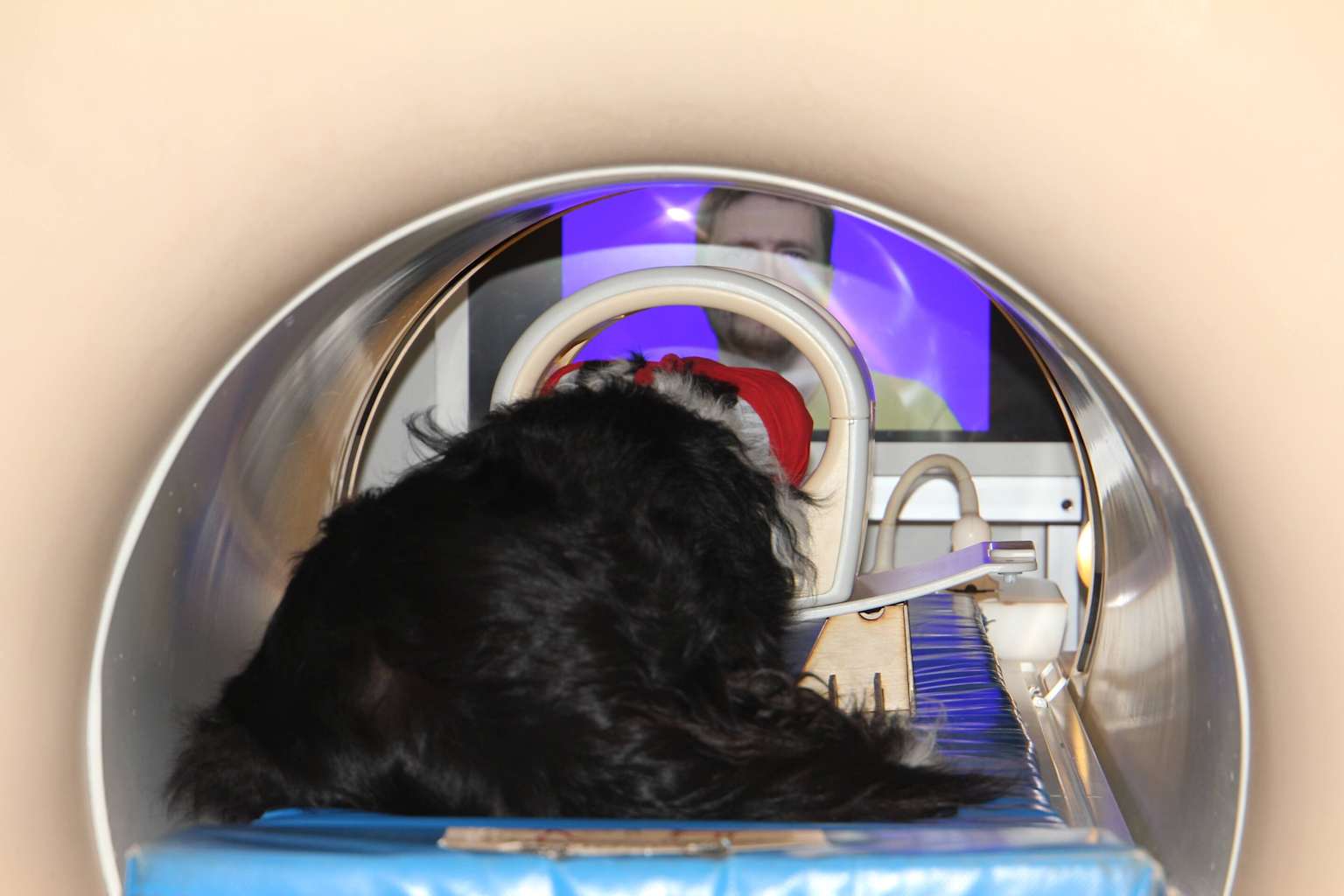
neurosciencenews+1neurosciencenews+1physDogs do not just read the room — they read the face. A pair of studies published this week offer new evidence that the canine brain is wired to decode human emotional signals, shaped by thousands of years of domestication and, on a shorter timescale, by individual training.
In research published August 7 in the Cell Press journal iScience, scientists at the University of Vienna used functional magnetic resonance imaging to scan awake, untrained pet dogs as they viewed photographs of human faces. When dogs saw happy expressions — even from strangers — the temporal cortex and caudate nucleus, a core reward-processing region, showed heightened activity.neurosciencenews+2
"The activity in the caudate nucleus is particularly interesting," said Laura Cuaya of the University of Vienna. "It suggests that happy human faces may have emotional significance for dogs."bbc+1
The team went further. In a second experiment with 12 dogs viewing faces expressing happiness, anger, fear, and sadness, machine-learning classifiers readily distinguished neural responses to happy faces from all three negative emotions. A whole-brain analysis then revealed that canine brains also generate distinct activity patterns separating fear from anger and sadness — the first direct evidence that dogs differentiate between specific negative facial expressions.eurekalert+2
"Humans are really good at picking up small details on the face, and so are dogs," said first author Raúl Hernández-Pérez. "By studying their brains, we can understand what adaptations have developed to support their remarkable social and emotional understanding of humans."neurosciencenews
A separate study published in the Journal of Neuroscience on August 10, led by Mélina Cordeau at Harvard University, examined the brain structure of 108 dogs using noninvasive 3D imaging. The researchers found that selective breeding for close integration into human work and family life has altered communication-related brain pathways, particularly those involved in vocal and word processing.phys+1
Comparing trained service dogs with dogs of similar breeding backgrounds, the team showed that training strengthens brain pathways related to interpreting cues and executing responses. "By identifying how dogs process human communication, and how breeding and training shape these abilities, we may eventually be able to improve the way we interact with dogs," Cordeau said.phys
Together, the findings illustrate how convergent evolution and artificial selection have equipped dogs with neural machinery for understanding humans — despite sharing no recent common ancestor with primates. As Cuaya told the BBC: "They followed a very different evolutionary path, yet through domestication, they developed the social abilities needed to understand and cooperate with us."bbc
The Vienna team hopes the work will change how people relate to their pets. "We can reward them with joy," Cuaya said. "We should smile at dogs."bbc