Newsletter Subscribe
Enter your email address below and subscribe to our newsletter
[forminator_form id="25163"]

All voices matter

reutersreutersreutersFive months into the U.S.-Iran war, Gulf Arab states are turning to Beijing rather than Washington in a bid to reopen the Strait of Hormuz and Red Sea shipping lanes, testing the limits of China's economic leverage over Tehran.
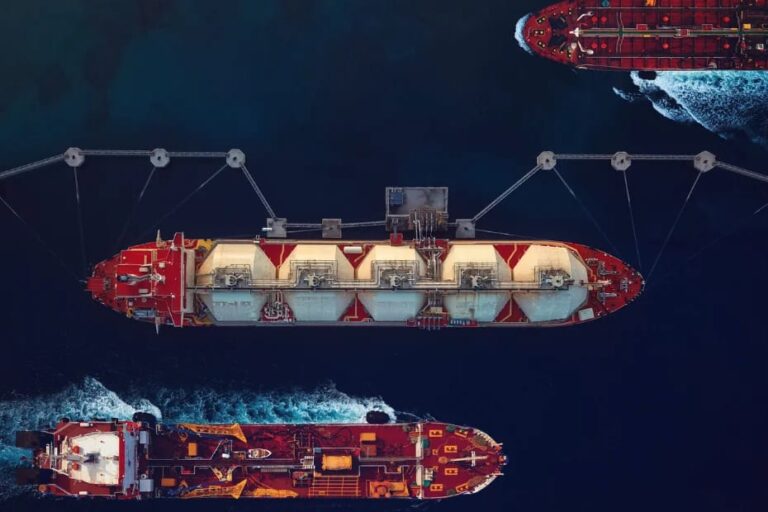
The war, which began with U.S.-Israeli strikes on Iran on February 28, has restricted Gulf energy exports and put regional states in the firing line of Iranian retaliation. With Iran and its allies threatening both the Bab el-Mandeb waterway in the Red Sea and the Strait of Hormuz — which carries roughly one-fifth of global oil and gas supplies — Gulf capitals have grown frustrated with the limits of American military deterrence.reuters+1
China's Foreign Minister Wang Yi has held dozens of calls and meetings with counterparts seeking a ceasefire, while special envoy Zhai Jun has conducted talks in Gulf Arab capitals and Iran, according to Reuters. "There's huge respect between the Gulf and China and they are a big trading partner, so any issue is raised in a very quiet manner," one Gulf source told the news agency.reuters
China's position as both a major buyer of Gulf oil and Iran's largest trading partner gives it unique leverage — and unique constraints. Rather than publicly challenging Tehran's shipping threats, Beijing has pursued narrow bilateral arrangements to protect its own commercial interests.thinkchina+1
This week, Reuters Thomson Reuters Corporation reported that China has held direct talks with Yemen's Houthi movement to enable Chinese tankers to sail through the southern Red Sea, with Beijing clearing each vessel individually with the militia. At least four tankers have loaded crude from Saudi ports bound for China and transited the Bab el-Mandeb since the Houthis announced restrictions on access to Saudi terminals.reuters
"China has turned out not to be as influential as we thought — whether that is a lack of will or a lack of capacity is debatable," a second Gulf source told Reuters. "What seems to happen when America enters the fray is that superpower calculations dominate over everything else."reuters
Analysts say Beijing's overriding priority is preserving relationships across the region rather than risking diplomatic fallout by openly siding with either camp. Henry Tugendhat of the Washington Institute told Reuters that once Washington became directly involved, Beijing's calculations extended beyond the Gulf to encompass its wider rivalry with the United States.reuters
Anna Borshchevskaya, a senior fellow at the same institution, said narrow bilateral arrangements shielding Chinese-linked shipping were "the only visible outcome" of China's diplomatic efforts so far. Beijing has said it is not prepared to use military force to reopen Hormuz and does not believe other parties can do so, instead calling for diplomacy and the free flow of international shipping.reuters
China's President Xi Jinping is expected in the United States for talks with President Donald Trump on September 24, a meeting that could further shape Beijing's calculus on whether to press Tehran harder. Gulf governments, meanwhile, hope China will ultimately steer Iran toward a negotiated settlement — but acknowledge that a prolonged conflict may also serve Beijing's interest by piling pressure on the United States.thinkchina+1