


Newsletter Subscribe
Enter your email address below and subscribe to our newsletter

All voices matter
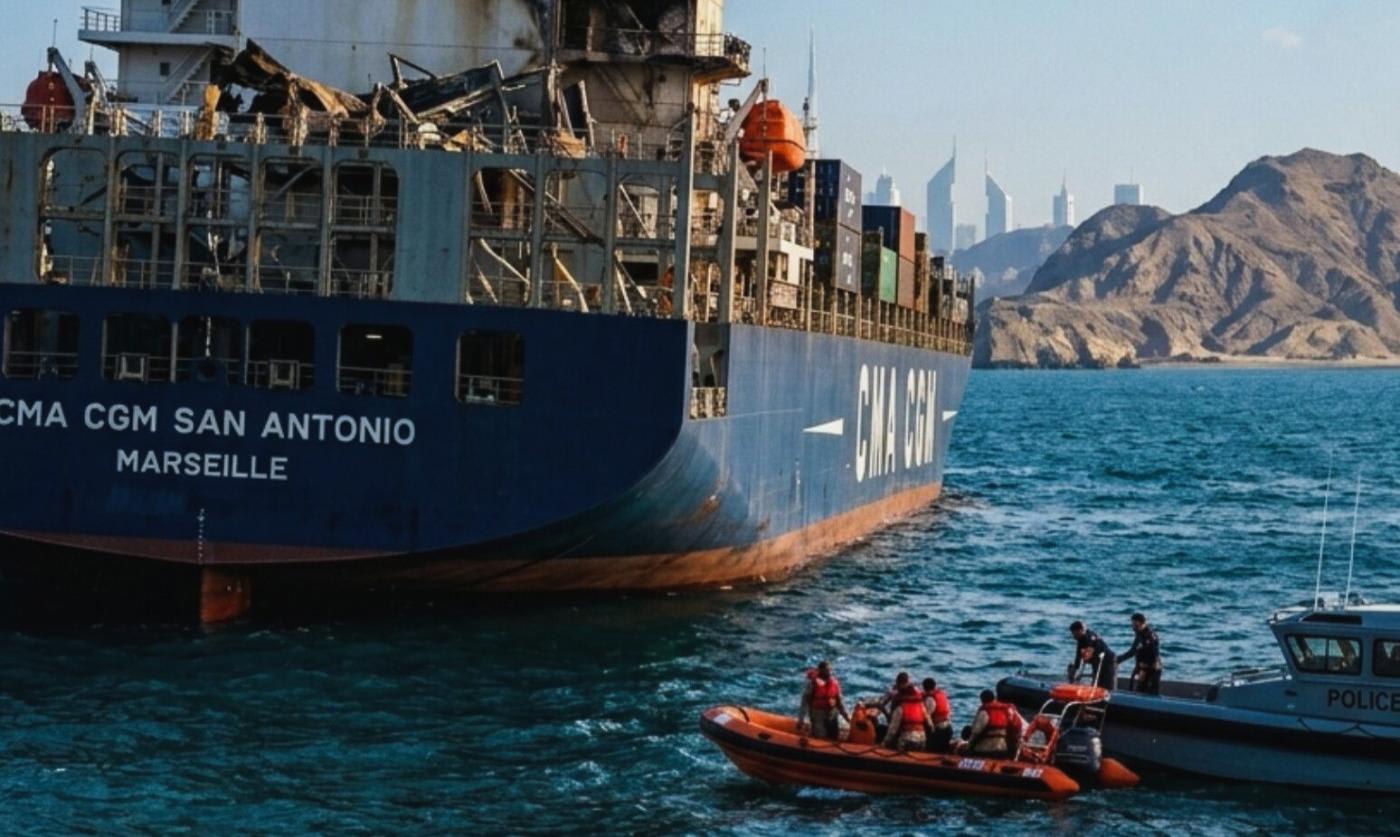
reutersnytimesbairdmaritimeThe CMA CGM San Antonio, a container ship struck by a missile while transiting the Strait of Hormuz in early May, has sustained damage so severe that the French shipping giant is considering sending it for dismantling, the company's chief executive said on Thursday.
"The damage is so extensive that we are contemplating whether to send it for scrapping," Rodolphe Saadé, Chairman and CEO of CMA CGM, said during a business conference in southern France.dawn+1
The CMA CGM San Antonio, a Maltese-flagged container vessel, was attacked on May 5 while passing through the Strait of Hormuz, one of the world's most critical maritime chokepoints. The strike injured eight crew members, who were evacuated and provided with medical care, according to the International Maritime Organization.al-monitor+2
The incident was part of a broader pattern of Iranian targeting of vessels attempting to transit the strait, which connects the Persian Gulf to the Gulf of Oman. CMA CGM had reported in the weeks prior to the attack that one of its ships had been the target of warning shots in the same waterway.nytimes+1
Saadé said the San Antonio had been stranded in the strait for several weeks following the attack before being escorted to safety, though he did not provide further details on the ship's current location or the timeline for a final decision on its fate.reuters+1
The potential scrapping of the San Antonio would mark one of the most consequential losses for commercial shipping in the Strait of Hormuz conflict. In a separate appearance in June, Saadé warned that it would be "unwise" to assume conditions in the strait would return to pre-war norms, underscoring the long-term risks facing the global shipping industry.bairdmaritime
The attack on the San Antonio highlighted the continued dangers of navigating the Strait of Hormuz, through which a substantial share of global oil and container traffic passes. The incident and its aftermath have added to pressure on shipping companies to reroute vessels or accept higher insurance costs for transiting the waterway.nytimes


