
Newsletter Subscribe
Enter your email address below and subscribe to our newsletter
[forminator_form id="25163"]

All voices matter
reuters+1telegraph+1cnbc+1European regulators and central bankers sounded the alarm last week that artificial intelligence is advancing faster than existing financial rules can handle, calling for new safeguards including market-wide "kill switches" to prevent AI-driven trading from triggering financial instability.
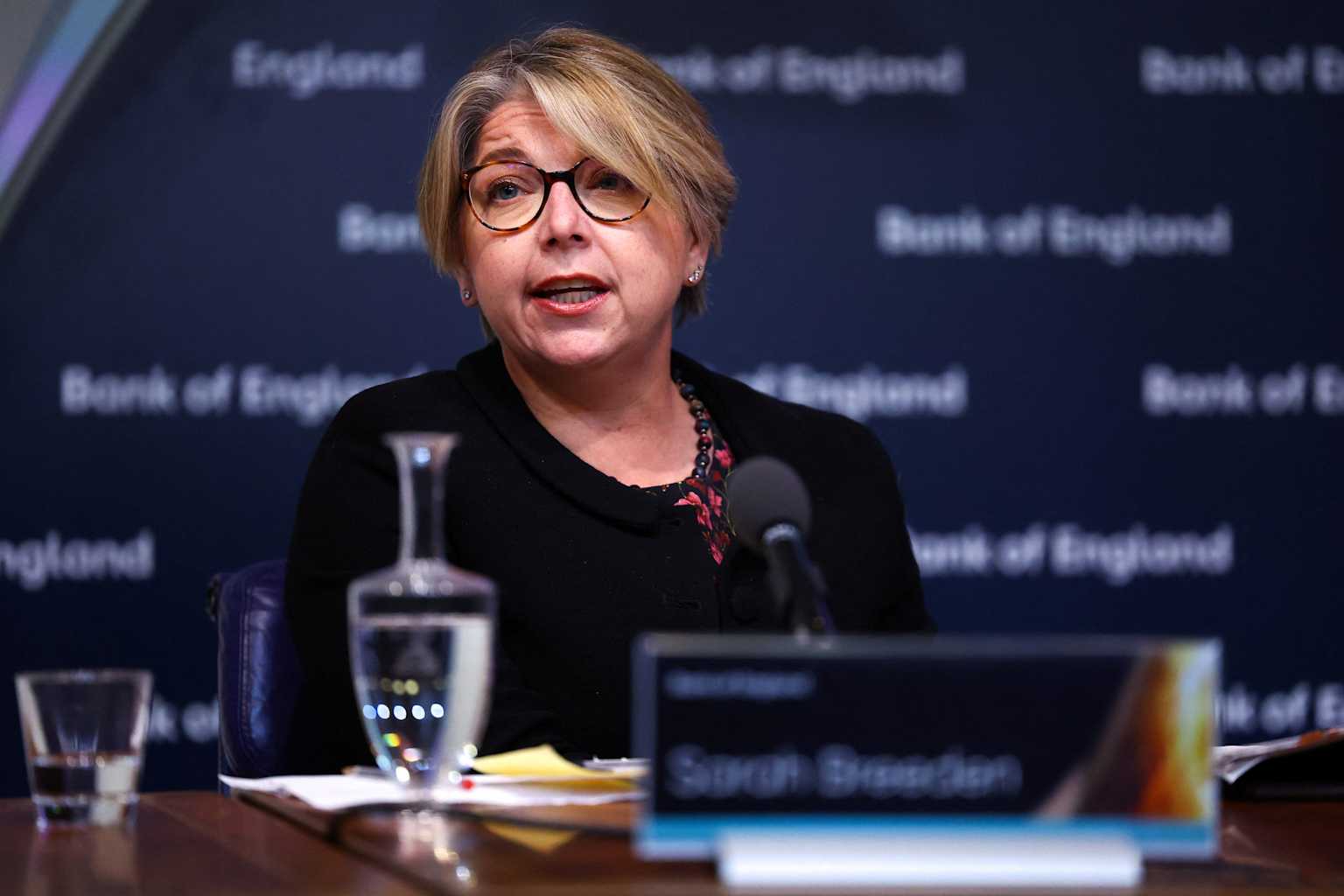
Speaking at the European Central Bank Forum on central banking in Sintra, Portugal, Bank of England Deputy Governor Sarah Breeden said existing regulatory frameworks were never designed to govern autonomous AI agents and that relying on a "human in the loop" for all agent actions is "unlikely to be realistic."reuters+1
"Our frameworks were not built to contemplate autonomous agents," Breeden said, in what Reuters described as a potential shift in the BoE's approach after years of insisting that existing rules were sufficient to mitigate AI risks. Among the measures under consideration are circuit breakers or kill switches "that would limit or stop trading market-wide if faulty AI models cause market meltdown," as well as "enhanced recovery" mechanisms that would allow one bank to take over another's basic functions during a disruption.telegraph+1
The BoE has been researching how to combat "herding behaviour" by AI tools alongside Germany's Bundesbank and the Bank for International Settlements.telegraph
UK Financial Conduct Authority CEO Nikhil Rathi echoed these concerns, arguing that AI is evolving too quickly for regulators to keep pace through traditional rulemaking. In a speech delivered on June 24, Rathi said the FCA must shift from conventional rule-writing to a model of "stewardship," placing greater emphasis on competition and collaboration as the technology outstrips legislation.resultsense+1
CNBC reported that both Rathi and Breeden were among a chorus of European officials — including ECB President Christine Lagarde — warning that the rapid deployment of agentic AI in financial markets poses risks to market integrity and financial stability.cnbc+1
The warnings come amid a broader global push to rein in AI in finance. The Financial Stability Board called in June for tighter safeguards against AI agents, which it said pose a "distinct challenge to human oversight." Meanwhile, the EU AI Act's full set of high-risk AI system mandates is set to become enforceable on August 2, 2026, though a recent proposal would extend the compliance deadline for certain AI applications in credit scoring and insurance to December 2027.salt+2
The Reserve Bank of India has also moved in a similar direction, releasing a draft framework requiring every bank to maintain the ability to instantly shut down any AI model it uses.youtube
The convergence of these regulatory efforts underscores a growing consensus among central bankers: the pace of AI development has outstripped the traditional cycle of financial rulemaking, and the cost of inaction may be measured in market stability.