Newsletter Subscribe
Enter your email address below and subscribe to our newsletter
[forminator_form id="25163"]

All voices matter
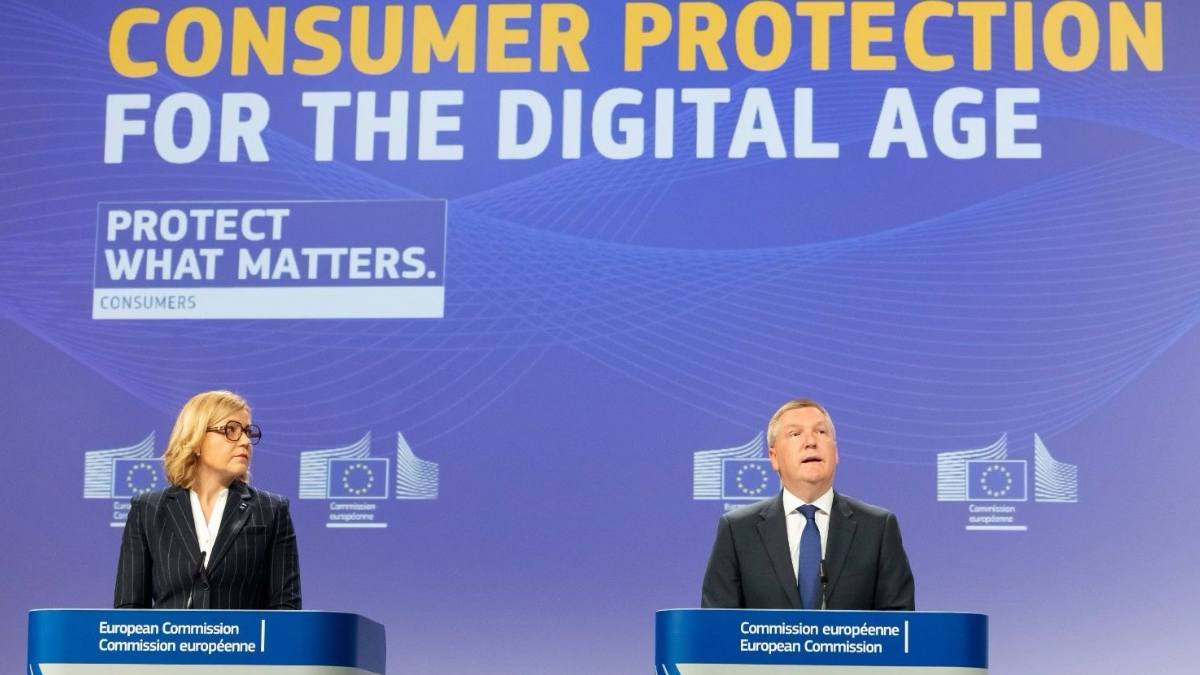
law360.com+1.euronews.com+1.gamesmarket.global+1.The European Commission on Wednesday, November 11, presented its Digital Fairness Act (DFA), a proposal that would ban manipulative "dark patterns," give consumers an off switch for addictive features and tighten rules on influencer marketing. Consumer Commissioner Michael McGrath called the package, together with an overhaul of cross-border enforcement, "the most significant reform of EU consumer protection rules in more than 20 years," and said unfair practices cost consumers €10.3 billion a year.ec.europa.eu
The proposal would repeal the 2005 Unfair Commercial Practices Directive and replace it with a regulation that applies directly in all 27 member states. It now goes to the European Parliament and EU governments, which must both agree before it becomes law.euronews.com+1
Fake scarcity claims such as "only 5 items remain" would be banned, and subscriptions would have to be easier to cancel. Consumers would get a reminder before a free trial turns into a paid plan and the right to reach a human in customer service. Influencers would have to label paid posts with terms such as "advertisement" or "commercial collaboration." Loot boxes and pay-to-win mechanics would be banned for minors, and targeted ads using sensitive personal data would be prohibited. The video game industry pushed back hard, saying the rules go after the core of the free-to-play business model.techpolicy.press+2
Alongside the DFA, a revised Consumer Protection Cooperation Regulation would give the Commission direct powers to investigate and sanction very large cross-border cases. Fines could reach 6% of a trader's worldwide annual turnover.ec.europa.eu
In an analysis for Tech Policy Press, legal scholars Anne-Lise Sibony, Fabrizio Esposito, Cristiana Santos and Cecilia Isola called the Commission's new direct enforcement role perhaps the proposal's most important innovation. They argued, however, that "penalties and consumer compensation remain a weakness," because member states would still set fines under the DFA itself. They also said the title is a "misnomer": the regulation would cover offline commercial practices too, so a more accurate name would be "Unfair Commercial Practices Regulation".techpolicy.press
The same authors said the treatment of addictive design falls short. The proposal does not prohibit features such as autoplay and streaks for adults. It only requires tools that let users switch them off, which leaves consumers to counter their own exploitation. Digital rights experts had raised similar concerns after the draft leaked, noting that personalized ads and pricing would be banned only when they are likely to cause harm to vulnerable consumers.euobserver.com+1
The proposal arrives as Brussels promises to cut red tape, and the Financial Times framed it as new Big Tech rules introduced despite that pledge. McGrath presented the reform as support for businesses that follow the rules: "We are not making it harder to do business. We are making it harder to do business unfairly".ft.com+1