Newsletter Subscribe
Enter your email address below and subscribe to our newsletter
[forminator_form id="25163"]

All voices matter

wsjtftc+1nytimesAs the United States grapples with a national debt that surpassed $40 trillion in August, the global financial order is undergoing a quiet but consequential realignment. Central banks are accumulating gold at record rates, foreign governments are repatriating reserves from American vaults, and questions about the long-term reliability of dollar-denominated assets are growing louder.
Gold has overtaken U.S. Treasuries as the largest reserve asset held by central banks worldwide for the first time since the mid-1990s. At the end of 2025, gold accounted for 27% of foreign reserves compared to 22% for U.S. Treasuries, according to European Central Bank data reported by The Wall Street Journal. The shift has been driven largely by surging gold prices, though central bank purchases have also accelerated — reaching a quarterly record of 288.9 tonnes in the second quarter of 2026, a 74% year-over-year increase, according to the World Gold Council.gold+2
The trend has unfolded against the backdrop of America's deteriorating fiscal position. U.S. gross national debt crossed $40 trillion for the first time on August 18, arriving just five months after hitting $39 trillion, one of the fastest $1 trillion increases in history, according to the Treasury Department. The debt-to-GDP ratio now stands at roughly 125%.nytimes+1
"Geopolitical dynamics and the weaponization of the dollar through sanctions are prompting central banks and other official investors to seek diversification away from dollar-denominated assets," said Eswar Prasad, a former head of the International Monetary Fund's China division, as quoted by The New York Times.nytimes
The unease extends beyond balance sheets. France completed the sale of 129 tonnes of gold previously stored at the Federal Reserve Bank of New York between July 2025 and January 2026, replacing the holdings with modern-standard bullion secured in Paris. The Netherlands followed in recent weeks, announcing it would move 86 tonnes of reserves from New York and Canada to London, citing "increasing geopolitical unrest". Hong Kong, meanwhile, launched a gold settlement program in July 2026 that allows purchases in Chinese yuan rather than dollars.briefs+3
Still, the dollar retains its dominance in foreign exchange markets. IMF data show the dollar's share of allocated foreign exchange reserves stood at 57.13% in the first quarter of 2026, actually ticking up from 56.42% in the prior quarter. No rival currency is positioned to displace it anytime soon — the Chinese yuan accounts for roughly 2% of global reserves.data.imf+1
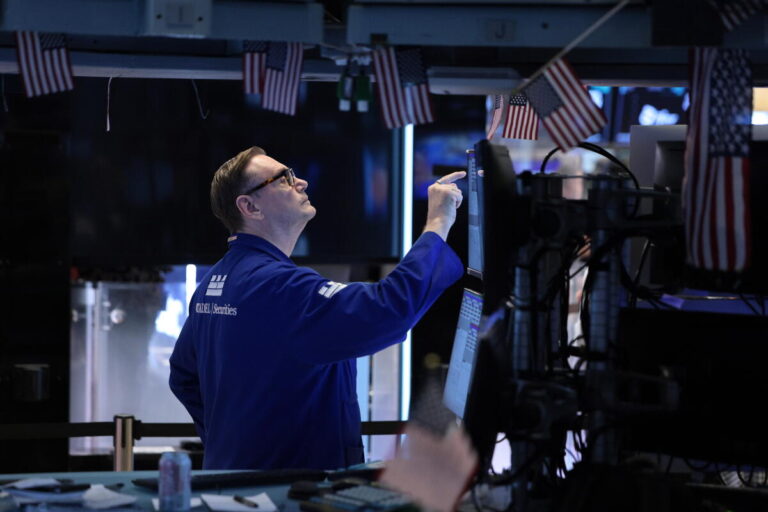
Treasury Secretary Scott Bessent, testifying Tuesday before the House Financial Services Committee, defended the health of U.S. financial markets. He told lawmakers that bond auctions remain well-functioning and that yields would have been higher without recent Treasury buyback interventions.cnbc+1
But the tension between confidence and caution is real. On September 12, BRICS nations endorsed the New Delhi Declaration, the latest in a series of moves by the 11-member bloc to reduce dependence on the dollar. Even so, as Seeking Alpha noted, the dollar strengthened after the announcement — a reminder that de-dollarization rhetoric has yet to translate into a wholesale exodus from American markets.seekingalpha
The Federal Reserve's rate decision, expected Wednesday, may test that resilience further.