Newsletter Subscribe
Enter your email address below and subscribe to our newsletter
[forminator_form id="25163"]

All voices matter
moneycontrolglobal.morningstar+1reutersThe world's largest technology companies are borrowing at an unprecedented pace to fund their artificial intelligence ambitions, flooding global fixed-income markets with hundreds of billions of dollars in new corporate debt and intensifying competition with governments for investor capital.
The five major hyperscalers — Amazon Amazon.com, Inc. , Microsoft , Alphabet , Meta , and Oracle — are expected to issue roughly $250 billion in bonds in 2026 and as much as $400 billion in 2027, according to Goldman Sachs The Goldman Sachs Group, Inc. . Through early July, the group had already issued about $194 billion, up 79% from approximately $108 billion in all of 2025, according to a Reuters analysis of LSEG data. Goldman Sachs Research estimated that nearly $500 billion in AI-related debt had been issued so far in 2026.moneycontrol+2
Amazon raised £4.25 billion ($5.76 billion) from its first-ever sterling bond sale on Sept. 9, slightly more than initially expected, across three-, six-, 12- and 19-year maturities, according to Reuters. The offering was nearly three times oversubscribed. The deal followed Alphabet's £5.5 billion sterling issuance earlier this year, which included a rare 100-year bond.global.morningstar+1
Yet signs of investor fatigue are emerging. Median spreads on two- to four-year bonds issued by Amazon, Alphabet, Meta, and Oracle have widened to about 40 basis points from 30 basis points in 2025, and cover ratios for hyperscaler bond sales fell from nearly five times in February to below two times in July, according to Reuters.moneycontrol
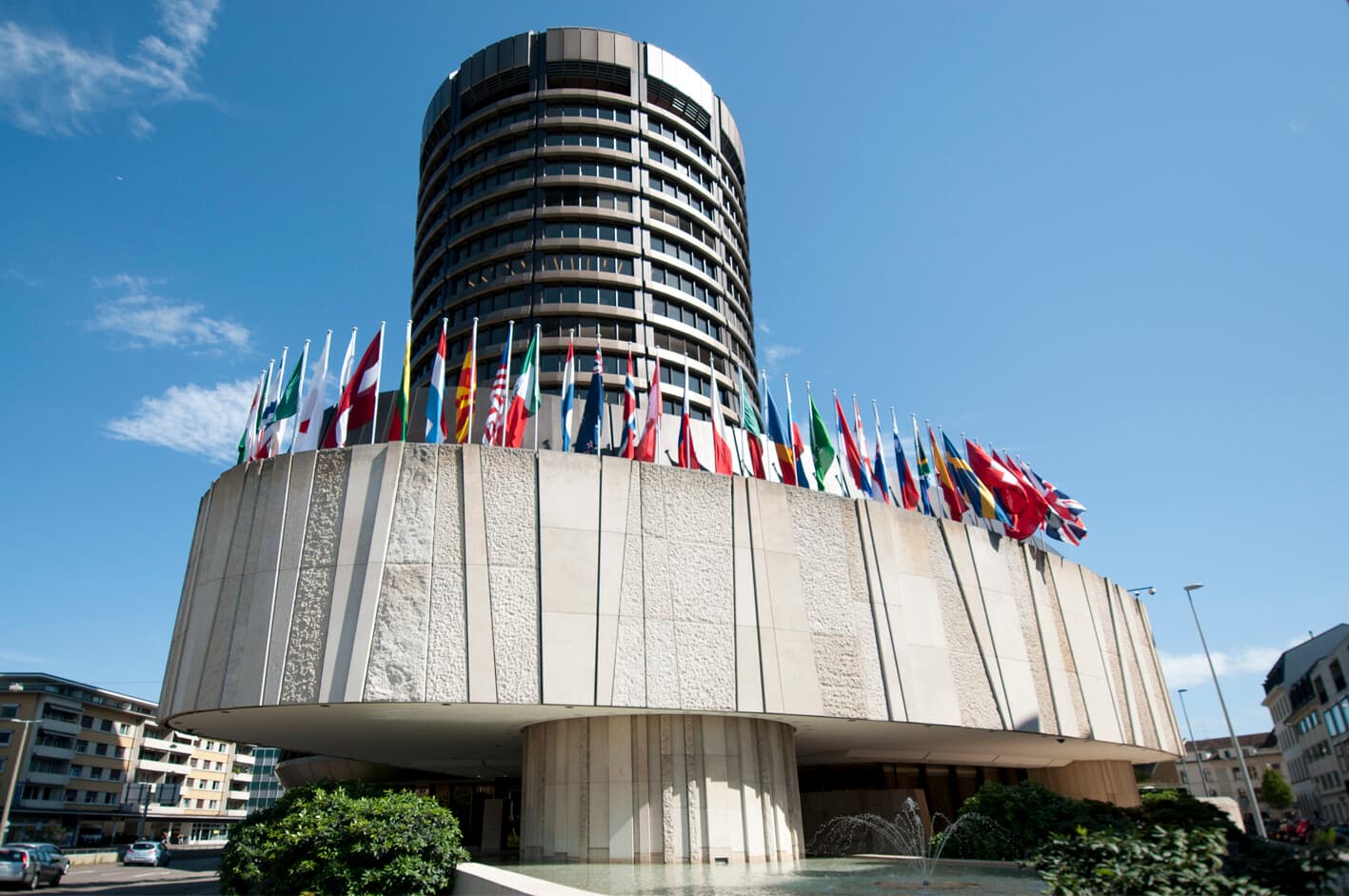
The Bank for International Settlements added its voice to growing concerns on Monday, warning that the AI-linked rally propelling equity markets is showing "growing signs of vulnerability." Frank Smets, the BIS's head of economic analysis, told reporters that investors were becoming "increasingly cautious" about the profitability of future AI investments as leverage among major U.S. tech firms continued to rise.reuters
"What we are most concerned on in this area is the rapid increase in debt and leverage," Smets said. "And the fact that many of these financing deals are quite opaque."reuters
The BIS report noted that aggregate borrowing by tech firms had risen from around $22 billion, or 22% of total private credit, in 2010 to over $1 trillion, or 44%, by 2025. BIS chief Pablo Hernandez de Cos warned last week that AI spending had reached a scale large enough to influence global economic conditions.reuters+1
The surge in AI-linked borrowing is reshaping markets beyond traditional corporate bonds. Bloomberg reported Monday that data-center deals are transforming the commercial mortgage-backed securities market, forcing investors to grapple with unfamiliar risks ranging from power availability and grid constraints to the opacity of hyperscaler tenants.bloomberg
Henrietta Pacquement, fixed income COO at Allspring Global Investments, noted that hyperscaler debt is now competing directly with longer-dated government bonds, where yields have also been climbing. "In some cases, we are talking about approximately 50 basis points of spread widening since the beginning of the year, comparable with moves seen in high yield," she said.global.morningstar
Whether the resilience of investor appetite can be sustained "especially if upward pressures on yields continue, remains, however, uncertain," the BIS's Smets cautioned.reuters