Newsletter Subscribe
Enter your email address below and subscribe to our newsletter
[forminator_form id="25163"]

All voices matter
wsjreuterstrendSaudi Arabia will exhaust its oil export stockpiles within days if it cannot restart its crippled East-West pipeline, threatening to remove roughly 4% of global crude supply from the market and deepening a crisis already roiling energy prices, according to traders, Saudi oil buyers, and energy analysts.
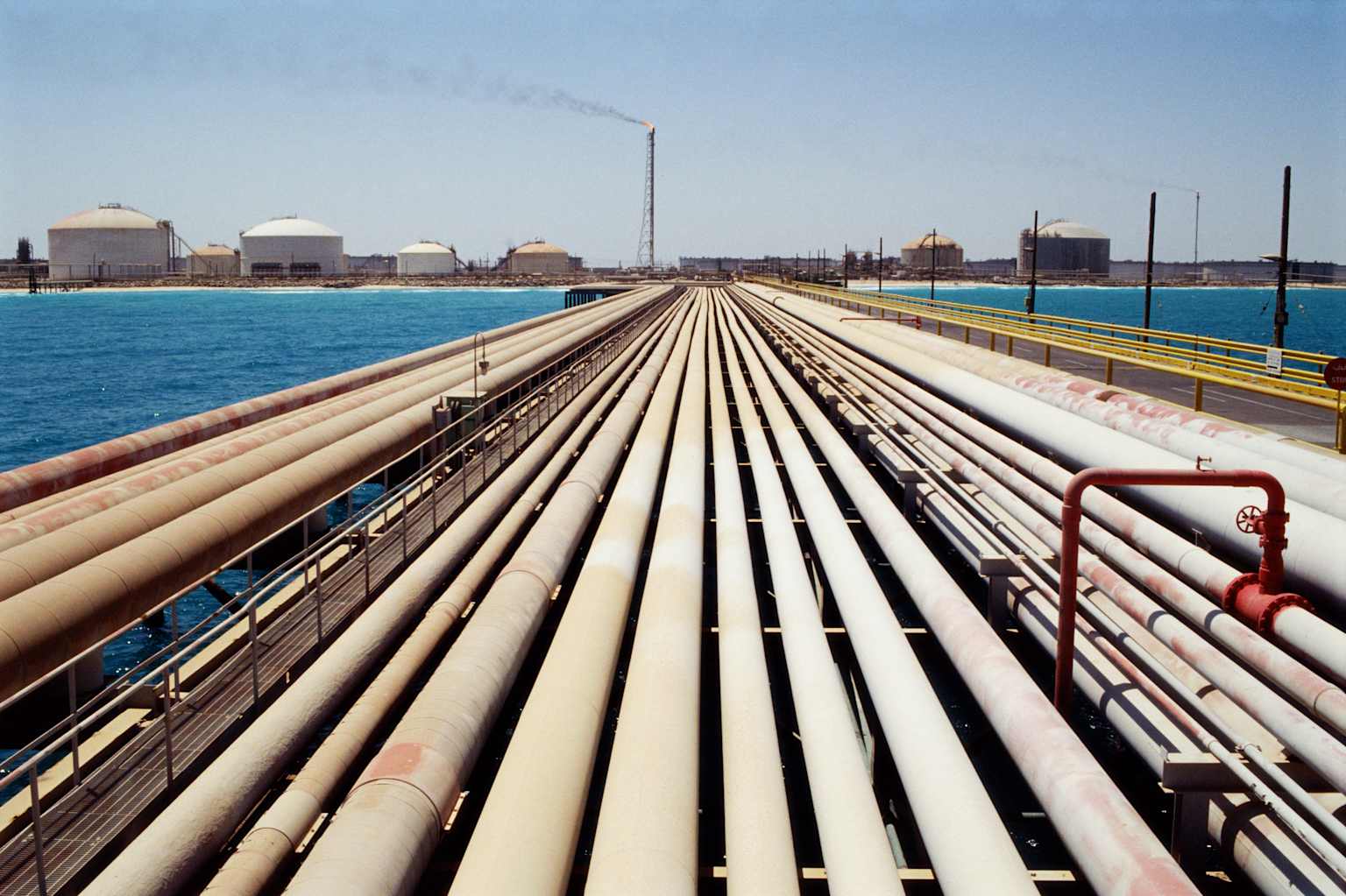
The pipeline, also known as the Petroline, was shut down on Friday after drone attacks launched from Iraq struck the 1,200-kilometer infrastructure in the Riyadh and Medina regions, causing fires, damage, and injuries. The Saudi Energy Ministry described the closure as a "precautionary" measure but has not disclosed the full extent of the damage or a timeline for resuming operations.cnbc+3
Before the shutdown, the pipeline was carrying around 4 million barrels per day to the Red Sea port of Yanbu, serving as a bypass for the Strait of Hormuz amid the broader U.S.-Iran confrontation in the Persian Gulf. With that route severed, Yanbu now has enough stored crude for only five to seven days of exports, according to three industry sources cited by Reuters. Stocks at Yanbu and at Egyptian terminals at Ain Sukhna and Sidi Kerir are "not full and will ultimately run out without the east-west pipeline resuming operations," four sources told the wire service.cnbc+1
Rystad Energy estimated that Yanbu oil stocks are sufficient for roughly three days of effective exports, and that a complete halt in pumping could remove 2.6 to 4 million barrels per day from the market. A one-month shutdown could take 78 to 120 million barrels off the export market, while a three-month disruption would put 230 to 360 million barrels at risk.trend
Saudi Arabia is attempting to resume partial operations within days, though full restoration of the pipeline's capacity could take six to eight weeks, according to people familiar with the matter cited by The Wall Street Journal. Satellite imagery indicates more extensive damage at multiple locations compared to an April attack on a pumping station that was repaired within a week.wsj+1
Asian refineries stand to bear the greatest impact. Most Chinese, Taiwanese, and Indian buyers were scheduled to receive September oil shipments from Yanbu, and Rystad Energy anticipated delays or reduced supplies to those markets. Mediterranean refineries will compete for alternative grades including CPC Blend, Azeri, and North African crudes.trend
The pipeline attack compounds an already severe supply squeeze. The International Energy Agency said Friday that Saudi oil supply fell to a more than three-decade low in August, and world oil supply is set to decline by 5.7 million barrels per day this year. Adding to the pressure, Houthi fighters in Yemen seized an island at the mouth of the Red Sea on Friday.reuters
"The rise in price to $108 per barrel is a clear signal that the market is increasingly pricing in a significant supply contraction," Rystad Energy Vice President of Oil Markets Janiv Shah said.trend