Newsletter Subscribe
Enter your email address below and subscribe to our newsletter
[forminator_form id="25163"]

All voices matter
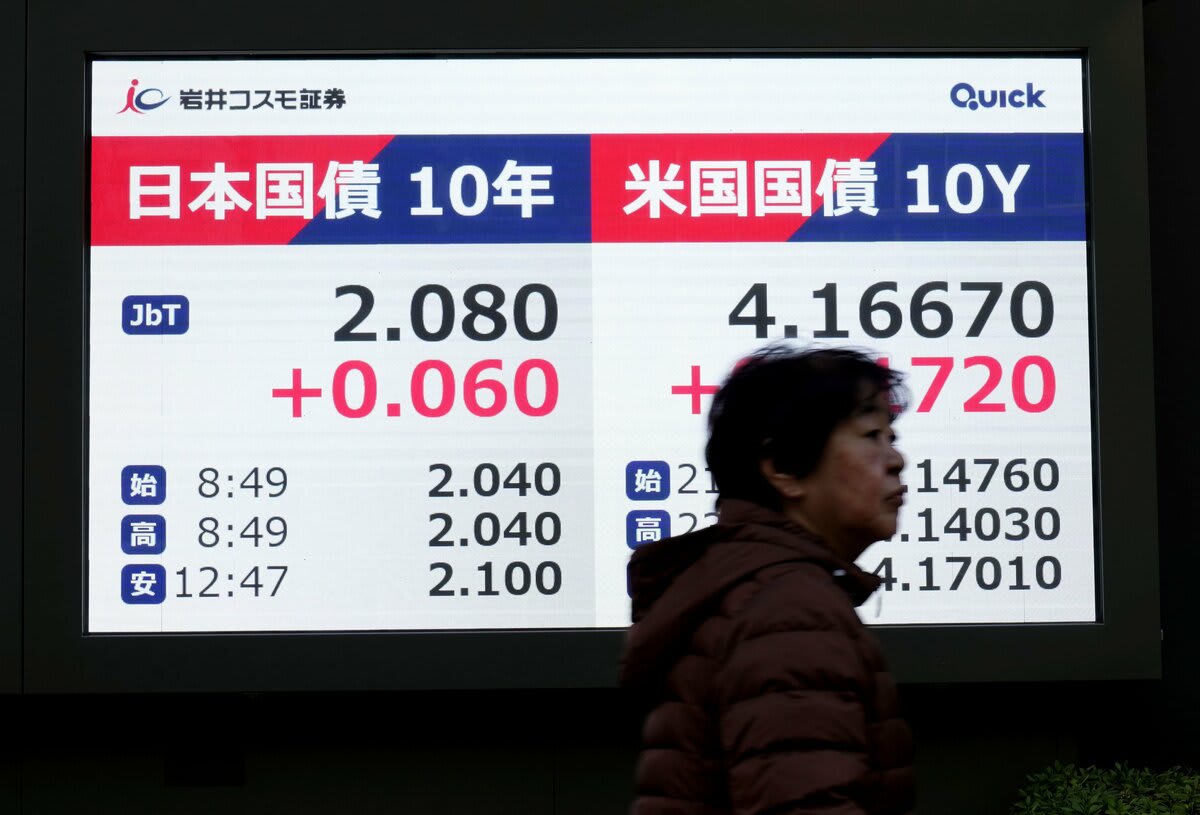
tradingeconomics+1reuters+1reuters+1The Japanese yen hovered near 159 per dollar this week, stuck close to multi-decade lows even as Japan's benchmark 10-year government bond yield climbed to its highest level in three decades and markets priced in a strong chance of a Bank of Japan rate hike next month.
Japan's 10-year government bond yield rose to 2.94% on August 18, its highest since 1996, according to Trading Economics. The move came after data released Monday showed Japan's economy grew just 1.1% on an annualized basis in the second quarter, missing the 2.0% consensus forecast and slowing from a revised 1.9% expansion in the prior quarter. The disappointing GDP print, driven by weak consumer spending and falling corporate investment, underscored the fragile nature of Japan's recovery.tradingeconomics+2
Yet USD/JPY continued to trade around the 159 level, well above where it stood before a coordinated U.S.-Japan intervention in early August briefly pushed the pair below 157. The yen has since retraced most of those gains, illustrating the persistent downward pressure on the currency.npr+3
Reuters reported on August 14 that the BoJ is set to raise interest rates as soon as its September 17-18 meeting and is considering accelerating its pace of tightening beyond the current roughly twice-a-year cadence. Prediction markets now assign roughly a 75% probability to a 25-basis-point hike at that meeting. The BoJ raised its policy rate to 1.0% in June from 0.75%.reuters+3
Despite this trajectory, the gap with U.S. rates remains wide. With the Federal Reserve's policy rate still well above Japan's, the yield differential continues to favor the dollar, discouraging capital flows into yen-denominated assets.cryptorank+1
Rising Japanese yields are beginning to reshape capital flows. As domestic bonds offer increasingly competitive returns, Japanese institutional investors — long among the world's largest buyers of U.S. Treasuries — may redirect funds homeward. Analysts note this repatriation trend could add another headwind to the global bond market at a time of elevated government borrowing worldwide.
For Japanese consumers, the yen's weakness raises the cost of imported food and energy, compounding pressure on household budgets already squeezed by tepid wage growth. The government has signaled it will not hesitate to intervene again if volatility spikes, having spent more than $100 billion on yen-buying operations this year alone.reuters