Newsletter Subscribe
Enter your email address below and subscribe to our newsletter
[forminator_form id="25163"]

All voices matter
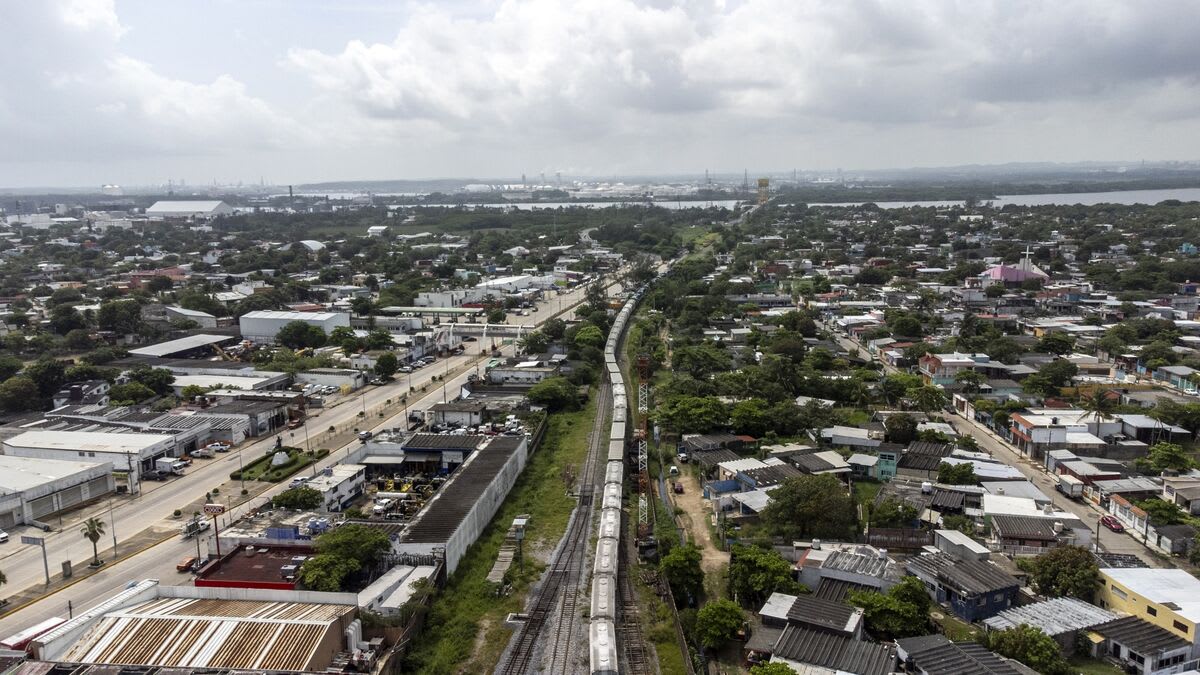
bloomberg+1dataportuariabloombergAs global shipping costs climb under pressure from armed conflicts and climate disruption, Mexico is actively courting carriers with its Interoceanic Corridor of the Isthmus of Tehuantepec — a rail-based "dry canal" that officials say can move freight between oceans in hours rather than days.
Since 2019, Mexico has spent at least $4 billion reviving the corridor linking the Gulf port of Coatzacoalcos in Veracruz with the Pacific port of Salina Cruz in Oaxaca, according to Bloomberg. The main rail line, known as Line Z, spans roughly 303 kilometers and began carrying freight in late 2023. Mexican officials say cargo can cross by rail in as few as seven hours, with full port-to-port transfers completed in as little as 24 hours, according to the Los Angeles Times.bloomberg+2
The project reached a milestone earlier this year when Hyundai Glovis completed a pilot shipment of 900 vehicles from Salina Cruz to Coatzacoalcos in nine hours by rail. President Claudia Sheinbaum has targeted full operations by mid-2026, and the corridor is now scaling up capacity while additional rail lines connecting to Guatemala and the Maya Train network near completion.container-news+1
The pitch comes at a moment of acute vulnerability for global supply chains. Wars in the Gulf region and Ukraine have effectively closed off key maritime passages for commodities, while a strengthening El Niño is again threatening water levels at the Panama Canal. Semafor reported Sunday that these combined pressures are stoking inflation and forcing shippers to seek alternatives.semafor
The Panama Canal marked its 112th anniversary over the weekend with traffic up 6.1% in the first ten months of fiscal year 2026 — 10,623 deep-draft transits compared with 10,010 a year earlier. But the Panama Canal Authority has already begun tightening draft restrictions at the Neopanamax locks, reducing the maximum authorized draft from 49.5 feet in early July to 48.5 feet as of August 15, with further cuts to 47.5 feet scheduled by September 3.dataportuaria
Mexico's corridor is unlikely to supplant the Panama Canal, which handles roughly 3% of global maritime trade valued at an estimated $444 billion annually. But the project offers a climate-resilient complement — one that requires no water to operate and bypasses the queuing and auction fees that have frustrated shippers during periods of canal congestion.bloomberg+1
The canal authority is itself diversifying, pursuing container transshipment terminals and a 76-kilometer energy pipeline across the isthmus. For now, though, Mexico's bet is that enough carriers will prefer land over water to justify the billions already spent carving a new path across the narrowest stretch of the continent.dataportuaria