


Newsletter Subscribe
Enter your email address below and subscribe to our newsletter
[forminator_form id="25163"]

All voices matter
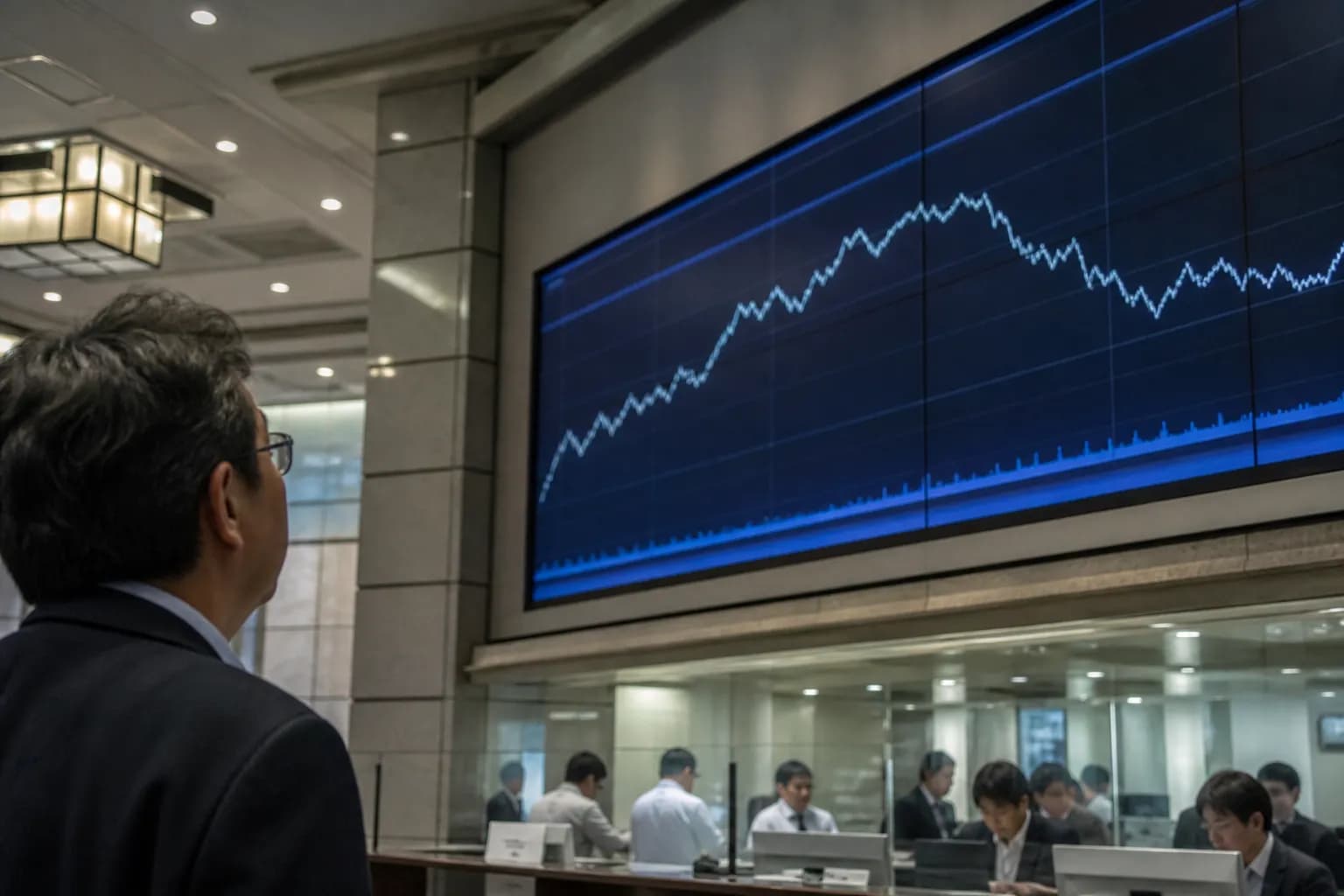
investinglive+1investinglive+1bloomingbit+1Japan's record currency defense is unraveling. The yen weakened past 160 per dollar on Friday for the first time since late July's historic joint Japan-U.S. intervention, after Federal Reserve Chair Kevin Warsh signaled openness to further rate hikes at the Jackson Hole symposium. The breach of a level long viewed as a red line for Tokyo puts the spotlight squarely on whether authorities will intervene again — or wait for the Bank of Japan to act in September.
The yen touched 160.20 per dollar in New York trading on August 28 before stabilizing around 159.8 on Monday in Tokyo, according to Reuters. Japan spent a record $98.7 billion in coordinated action with the United States over the past month to prop up the currency — the first joint yen-buying operation since 1998. More than half of those gains have now been erased.investinglive+3
Warsh's remarks were the immediate catalyst. The Fed chair told Jackson Hole attendees that policymakers still "have work to do" if they cannot gain confidence inflation is heading toward 2%, his clearest signal yet that further tightening may be needed. Fed funds futures now imply a nearly 60% probability of a rate hike at the September 16 meeting, up from roughly 35% before the speech. The widening U.S.-Japan rate differential is the core force dragging the yen lower, and no amount of intervention spending has been able to offset it durably.cryptobriefing+4
U.S. Treasury Secretary Scott Bessent, speaking Sunday ahead of a G20 finance ministers' gathering in Asheville, North Carolina, described the yen's moves as "pretty well contained" and said he expected Bank of Japan Governor Kazuo Ueda to "do the right thing" on monetary policy. The remarks effectively signaled that Washington does not view current conditions as the kind of disorderly volatility that triggered last month's rare coordinated action.news.futunn+1
Sumitomo Mitsui Banking warned Monday that without new triggers, the dollar could "creep back toward its pre-intervention high of just under ¥164," according to The Japan Times News Corp . Analysts at Bloomberg reported that strategists see 161 as the first threshold for possible fresh intervention, with the 162-to-163 range raising the odds further.bloomingbit+1
With immediate intervention expectations cooling, market attention is shifting to the BOJ's September 17–18 policy meeting. Swap markets are pricing in roughly a 90% chance of a rate hike, while Bessent hinted broadly that Japan has reached "the end of Abenomics," a clear nod toward the need for tighter Japanese monetary policy.bloomingbit+1
"Historically, interventions have only held when fundamentals moved in the same direction," said Carlos Casanova, senior economist for Asia at UBP. The 10-year Japanese government bond yield rose to a fresh 30-year high of 2.95% on Monday, tracking the surge in U.S. Treasury yields, underscoring that rate differentials — not intervention — will ultimately determine where the yen settles.ua+2


