Newsletter Subscribe
Enter your email address below and subscribe to our newsletter
[forminator_form id="25163"]

All voices matter

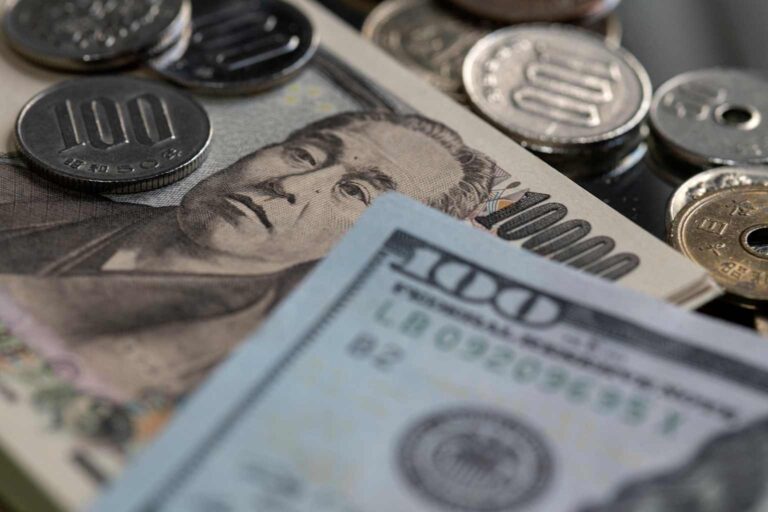
tradingeconomics+1reuters+1thestandard+1The Japanese yen fell to its weakest level since late 1986 on Thursday, with USD/JPY reaching as high as 163.96 according to exchange rate data, as a widening interest rate gap between the United States and Japan and geopolitical tensions in the Middle East continued to drive the currency lower.tradingeconomics+2
The yen's slide past 163 per dollar extends a punishing run that has seen the currency weaken more than 1.2% over the past month alone. The move has been driven by the gulf between U.S. and Japanese interest rates — the Federal Reserve has held rates elevated amid inflation pressures from the ongoing conflict with Iran, while the Bank of Japan raised its policy rate to 1.0% in June. That still leaves a gap of roughly 250 to 275 basis points favoring dollar-denominated assets.investing+1
Rising oil prices tied to U.S. military strikes on Iran have further boosted safe-haven demand for the dollar, according to Reuters, which reported the greenback gained broadly as "U.S. forces began an 11th straight night of strikes on Iran". CNN reported that the energy price shock from the conflict has been "the last catalyst for a weaker yen," citing MUFG senior currency economist Lee Hardman.cnn+1
Finance Minister Satsuki Katayama has repeatedly warned that Tokyo stands ready to act. In April, she said "the timing for taking such decisive action is nearing," and has since reiterated that Japan "will respond appropriately to currency moves at any time". Markets have largely shrugged off the rhetoric — the yen weakened further after breaching 163 on Tuesday with no sign of official action.thestandard+4
Japan spent a record 11.7 trillion yen ($72 billion) intervening in currency markets in 2024, and sold about $70 billion more in spring 2025, but both efforts failed to halt the slide. The Japan Times reported Wednesday that "the threat of intervention was especially pronounced" after the breach of 163, though no action followed.japantimes+2
Markets now await two policy meetings that could reshape the trajectory: the Federal Reserve decision on July 30 and the Bank of Japan's meeting concluding July 31. A BoJ rate hike — markets on Polymarket priced in a move to at least 1.0% at the July meeting — has already been delivered in June, but speculation persists that policymakers may signal further tightening to defend the currency. For the Fed, traders have pared back expectations of rate hikes this year following a weak jobs report, pricing in roughly 29 basis points of tightening by December.cnbc+2
Until those decisions arrive, the yen remains vulnerable. As Continuum Economics noted Thursday, the pair is "hugging the 163 figure" with "no fresh headlines" to shift the dynamic.continuumeconomics