Newsletter Subscribe
Enter your email address below and subscribe to our newsletter
[forminator_form id="25163"]

All voices matter
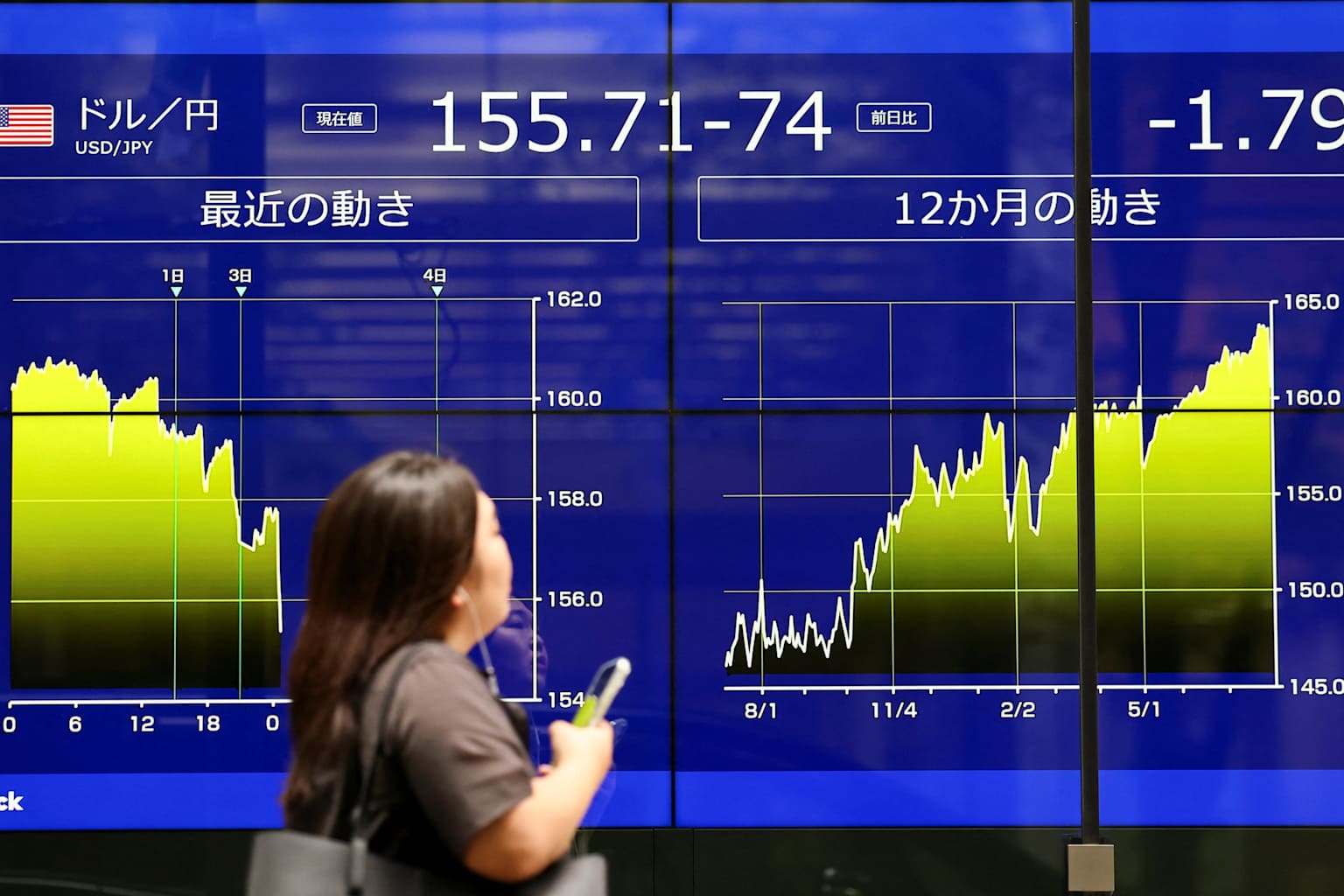
reuters+1fortunereuters+1Japan and the United States carried out a rare coordinated intervention in foreign exchange markets last week to arrest the yen's slide to 40-year lows, their first joint action to support the currency in 15 years. The operation lifted the yen from near 164 per dollar to around 157, but economists have raised doubts about whether the move can reverse the currency's long-term decline.fortune+1
Finance Minister Satsuki Katayama confirmed on Monday that Tokyo and Washington acted together, with one Japanese government official telling Reuters Thomson Reuters Corporation the operation was "still ongoing." Japan is estimated to have spent roughly $53 billion to $59 billion buying yen, according to Bank of Japan data, while a photograph of Treasury Secretary Scott Bessent's handwritten notepad at a cabinet meeting suggested the U.S. committed between $5 billion and $10 billion.reuters+1
The intervention carried an unusual twist: the New York Fed reportedly sold euros rather than dollars to fund its yen purchases. Edwin Truman, a former assistant secretary for international affairs at the Treasury, called the approach "weird," telling Fortune that selling dollars directly would have been more effective. Robin Brooks of the Peterson Institute for International Economics warned the choice "undercuts the efficacy of US participation," writing in a Substack post that foreign exchange intervention is "a confidence game" where ambiguity works against the intervening party.fortune
Analysts broadly characterized the intervention as a tool to manage volatility rather than a fix for the yen's underlying weakness. ING economists Chris Turner and Michiel Tukker described the action as useful for creating "an inflection point" but insufficient to "overturn fundamentals" like the wide interest rate gap between the U.S. and Japan. The Bank of Japan kept its policy rate at 1% at its July 30–31 meeting, though it offered what Reuters described as its most explicit signal yet of an early rate hike.newsonjapan+2
Mark Sobel, a four-decade Treasury veteran now at the Official Monetary and Financial Institutions Forum, cautioned that the U.S. should not support the yen unless Japan tackles the root causes of its weakness, including what he called "overly accommodative" monetary policy and concerns over Prime Minister Sanae Takaichi's fiscal stance. "The Treasury's Exchange Stabilization Fund isn't a hedge fund," he told Fortune.fortune
The intervention sharpens the political stakes for Takaichi, whose approval ratings have suffered as the weak yen drives up import costs for food and energy. Her government is pursuing a 370 trillion yen public-private investment plan and a proposed cut in the food consumption tax from 8% to 1%, but markets are watching whether these measures can be financed without further weakening the currency or relying on the BOJ to suppress borrowing costs.newsonjapan
Takahide Kiuchi, executive economist at Nomura Research Institute , told The Yomiuri Shimbun that the joint intervention "reflects the matching interests" of both countries but predicted "the effect will be temporary, and the exchange rate may return to pre-intervention levels within the next few weeks."cebudailynews.inquirer